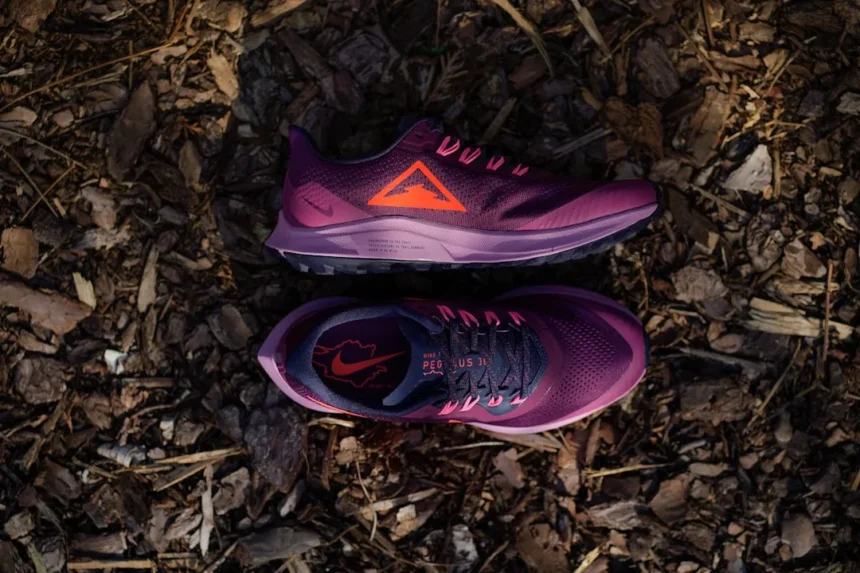
The Nike Pegasus 42 vs Pegasus 41 debate matters because the Pegasus line is one of Nike’s most popular daily trainers, and even subtle changes can influence what runners actually buy. Nike updates the Pegasus annually, and the newest iteration brings a redesigned midsole with 15% more energy return than its predecessor. Yet after testing both models, the case for upgrading remains weak.
Key Takeaways
- Nike Pegasus 42 features ReactX foam with a full-length Air Zoom unit and 3mm more toe foam than the Pegasus 41.
- Pegasus 42 offers 15% more energy return, but the improvement feels incremental in real-world running.
- Pegasus 41 remains the better value, especially as it frequently appears in sales.
- Both shoes share identical stack heights (37mm heel, 27mm forefoot) and 10mm drop.
- Pegasus 42 is a safe pick for new runners but lacks the verve of more affordable alternatives.
What Changed Between Pegasus 41 and Pegasus 42
The Pegasus 42 represents a genuine technical upgrade over its predecessor. Nike added ReactX foam throughout the midsole and increased the full-length Air Zoom unit, delivering measurably better cushioning response. The company also added 3mm more foam under the toes, a small but meaningful refinement for runners who land forefoot-heavy. Despite these changes, the overall geometry remains identical—both shoes maintain a 37mm heel stack, 27mm forefoot stack, and 10mm drop.
The Pegasus 42 feels smoother and slightly more energetic than the Pegasus 41, which sounds appealing on paper. In practice, the difference is subtle. A runner who has logged hundreds of miles in the Pegasus 41 will notice the upgrade immediately, but the jump isn’t dramatic enough to justify replacing a shoe that still has life left in it. The Pegasus 42 is familiar territory—similar ride, slightly refined feel, same general purpose.
Why the Pegasus 41 Still Makes Sense
The Pegasus 41 launched in June 2024 at $140 in the U.S. and £130 in the U.K.. It has since become a fixture in Nike’s sales rotation, regularly dropping to discounted prices. This pricing advantage is crucial. The Pegasus 41 delivers reliable daily-trainer performance at a lower entry point, and runners who already own a pair face no urgent reason to upgrade to a shoe that offers incremental improvements rather than transformative ones.

The Pegasus 41 uses ReactX foam with two Air Zoom pods—one in the heel, one in the forefoot—a proven formula that works across a wide range of running styles and distances. It is durable, comfortable for easy miles, and does not demand special running form or gait mechanics to perform well. For runners chasing value, the Pegasus 41 remains the pragmatic choice, especially when sales make it cheaper than the Pegasus 42.
Nike Pegasus 42 vs Pegasus 41: Who Should Upgrade?
The Pegasus 42 is a good-value, comfortable daily trainer positioned for easy miles and general-purpose running. It is recommended as a safe pick for new runners and works well with a variety of running styles. If you love the Pegasus 41, you will probably love the Pegasus 42 because it is similar but slightly improved. The shoe is durable with a full outsole and often pops up in sales, making it accessible.



However, the Pegasus 42 has a notable weakness: it lacks some of the verve available in more affordable running shoes. This is a damning critique for a shoe positioned as a daily trainer. If Nike’s newest Pegasus feels less lively than cheaper alternatives, the upgrade logic collapses. Runners seeking energy and responsiveness should look elsewhere. Those content with the Pegasus 41’s familiar, reliable ride have no compelling reason to switch.
The Real Story: Incremental Isn’t Always Better
Nike’s annual Pegasus updates follow a predictable pattern: minor tweaks, fresh colorways, a marketing push, and a higher price tag. The Pegasus 42 is no exception. The 15% energy-return improvement is real, but real does not mean necessary. A runner with a well-maintained Pegasus 41 will complete the same workout, hit the same paces, and feel equally comfortable in the older shoe.
The Pegasus line has evolved over eight iterations, and each new version feels familiar to testers who have run in the previous models. This consistency is both a strength and a limitation. It means the Pegasus 42 is a safe, predictable choice for runners who know what to expect. It also means the shoe is unlikely to win over new fans—it simply refines what already works rather than reimagining the category.
Should You Buy the Nike Pegasus 42 or Pegasus 41?
If you are a new runner or have never owned a Pegasus, the Pegasus 42 is a solid entry point. It is responsive, durable, and versatile enough to handle varied training. If you already run in the Pegasus 41 and are happy with it, save your money. The upgrade is not transformative enough to justify the cost, especially when the Pegasus 41 continues to appear in sales. For budget-conscious runners, the Pegasus 41 is the smarter purchase—you get 95% of the Pegasus 42 experience at a lower price.



Does the Pegasus 42 have the same stack height as the Pegasus 41?
Yes, both shoes share identical stack heights: 37mm in the heel and 27mm in the forefoot, with a 10mm drop. The Pegasus 42 added 3mm more foam under the toes, but overall geometry and ride height remain unchanged.
Why would you choose the Pegasus 41 over the Pegasus 42?
The Pegasus 41 is cheaper, frequently discounted, and delivers nearly identical performance to the Pegasus 42. Unless you specifically need the 15% energy-return boost or prefer the newest colorways, the older model offers better value without meaningful compromises.
Is the Pegasus 42 good for new runners?
Yes, the Pegasus 42 is recommended as a safe pick for new runners and works well with a variety of running styles. It is comfortable, durable, and forgiving enough to support runners of different abilities and gait patterns.
The Nike Pegasus 42 vs Pegasus 41 choice ultimately comes down to priorities. If you value the latest technology and can justify the cost, the Pegasus 42 is a competent daily trainer. If you want reliability, proven performance, and genuine savings, the Pegasus 41 remains the smarter move. Nike’s newest Pegasus is a good shoe—it is just not good enough to make the previous generation obsolete.
Edited by the All Things Geek team.
Source: Tom's Guide