What are the biggest sleep hygiene mistakes keeping you awake?
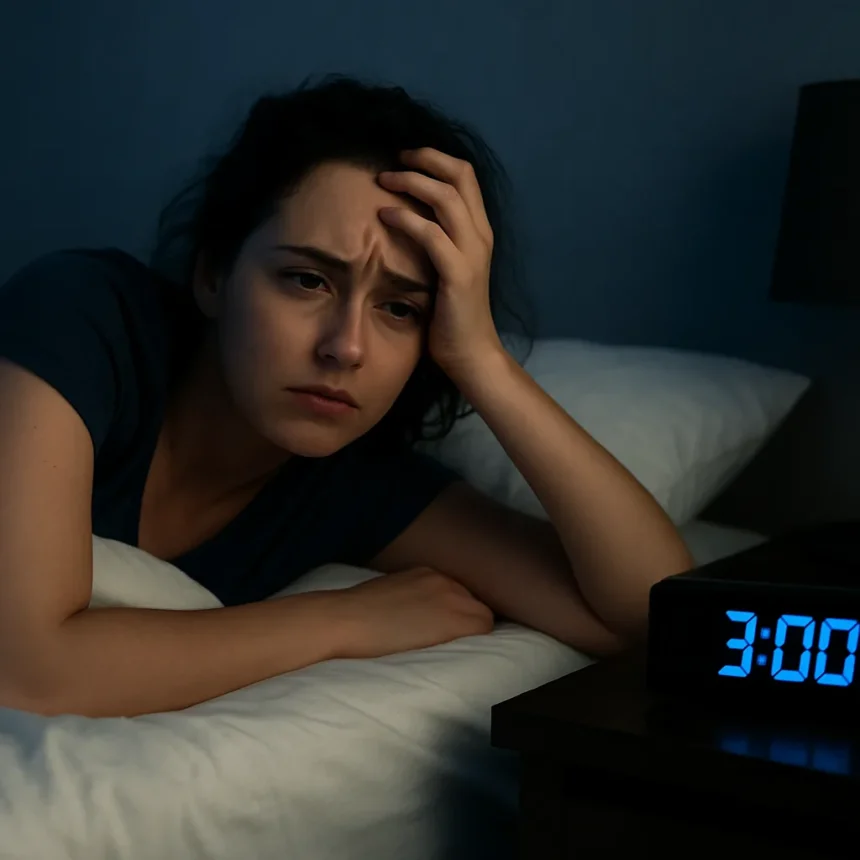
Sleep hygiene mistakes refer to the habits and environmental choices that quietly erode your sleep quality night after night. According to sleep experts interviewed across multiple investigations into nighttime awakenings, the same errors keep surfacing: screens in bed, late naps, the wrong bedroom temperature, and treating your mattress as a multipurpose lounge. If you are waking at 3 a.m. and staring at the ceiling, the cause is almost certainly one of these — and the fixes are more straightforward than you might expect.
Why what you do in bed before sleep matters more than you think
The single most damaging sleep hygiene mistake, according to Dr. Jade Wu, a sleep advisor at Mattress Firm, is using your bed for activities other than sleep. “This can automatically make your brain more active when you’re in bed,” she explains. Every time you scroll your phone, watch an unfamiliar TV series, or answer emails from under the duvet, you are training your brain to associate the bed with stimulation rather than rest. That association is incredibly hard to break once it is established.
The television question is more nuanced than most sleep advice admits. Dr. Wu warns that TV in the bedroom will keep you in lighter stages of sleep and can trigger stressful dreams even when you are not consciously aware of it. However, Hannah Shore, head of sleep science at Mattress Online, draws a useful distinction: familiar, low-stakes shows can genuinely help some people unwind, while anything new or emotionally engaging will have the opposite effect. The rule is simple — if it requires your full attention, it does not belong in the bedroom.
The screen and temperature mistakes compounding your sleep hygiene mistakes
Blue light from screens suppresses melatonin, the hormone that signals your body it is time to sleep. Switching devices to night mode or using blue-light blocking glasses before bed reduces this effect. But screens are only part of the problem. Core body temperature needs to drop for sleep to initiate and stay stable — which means hot baths and vigorous exercise immediately before bed are counterproductive, as Shore notes that anything raising your core body temperature should be avoided in the lead-up to sleep. The optimal bedroom temperature sits between 20 and 25°C (68 to 77°F). A room that is too warm is one of the most overlooked sleep hygiene mistakes, and one of the easiest to correct.

The timing of your wind-down routine matters just as much as what you do during it. Sleep expert James Wilson recommends completing all pre-bed tasks — getting into pyjamas, brushing teeth, skincare — before you begin relaxing for the evening, not after. Doing these tasks after you have already started winding down creates a burst of activity and stimulation right when your body needs the opposite. Erin Clifford, a licensed professional counsellor and health and wellness coach, adds that skincare specifically is “a great way to wind down and relax the body and mind” when sequenced correctly.
Napping and late-day habits that sabotage your nights
Napping is one of the most misunderstood tools in sleep management. A short nap — capped at 20 minutes and taken before lunch — can restore alertness without disrupting your nighttime sleep. But Dr. Lindsay Browning, a sleep doctor, is direct on the risk: “Napping too late in the afternoon can interfere with your nighttime sleep”. Napping after 3 p.m. in particular risks shifting your circadian rhythm, making it harder to fall asleep at your usual time and more likely that you will surface at 3 a.m. feeling wired. Compare this to the short pre-lunch nap, which functions more like a reset than a disruption — the difference in outcome is significant.



What to do when you actually wake up at 3 a.m.
Even with a perfect pre-bed routine, some nights you will still wake in the small hours. The worst response is to lie there, increasingly frustrated, running through your to-do list. Sleep expert Arezzolo describes this as a thought loop that only deepens with time, and prescribes a clear intervention: get up and move to another room as a “pattern interrupt”. Breaking the physical association between your bed and wakefulness is more effective than trying to force sleep through willpower.
What you do in that other room matters enormously. Arezzolo is unambiguous: “Do not go on any device, especially not social media”. Device use — particularly social media — triggers a melatonin drop and a cortisol rise, the exact hormonal combination that guarantees you will not fall back asleep easily. Reading is an alternative, though Shore notes it can over-engage some people’s minds. Dim lighting, a non-stimulating activity, and returning to bed only when genuinely sleepy is the framework that sleep experts consistently endorse.
Is a consistent bedtime routine really that important for sleep quality?
Yes, and it is probably the highest-leverage change most people can make. Associating your bed exclusively with sleep strengthens the brain’s sleep cues over time. A structured one-hour routine — starting with dimmed lights and screens switched to night mode, moving into skincare and teeth brushing, and ending with 20 minutes in bed without getting up — gives your nervous system a reliable signal that sleep is coming. Consistency across weekdays and weekends reinforces this further.
Can watching TV before bed ever help you fall asleep?
It depends entirely on what you are watching. Familiar, low-stakes content can help some people relax and transition toward sleep, according to Hannah Shore. New shows, emotionally intense dramas, or anything requiring active engagement will disrupt sleep stages and potentially cause stressful dreams. If you use TV to wind down, keep it familiar, keep the volume low, and avoid falling asleep with it still running — the ongoing audio will keep you in lighter sleep stages through the night.



How late is too late for a nap?
Dr. Lindsay Browning draws the line at mid-afternoon — napping after 3 p.m. risks interfering with your ability to fall asleep at night. The safest nap is short (around 20 minutes) and taken before lunch. Longer naps or those taken later in the day shift your body clock in ways that make 3 a.m. wake-ups significantly more likely. If you are already struggling with nighttime sleep, cutting out afternoon naps entirely is worth trying before reaching for any other solution.
Sleep hygiene mistakes are not exotic or hard to identify — they are the ordinary habits most people have never questioned. Screens in bed, the wrong room temperature, late naps, and a chaotic pre-sleep routine are collectively responsible for the majority of 3 a.m. wake-ups that people assume are just part of getting older or being stressed. Fix the environment, fix the timing, and break the bed-as-lounge habit, and the evidence from these experts points clearly in one direction: your sleep will improve.
Edited by the All Things Geek team.
Source: Tom's Guide