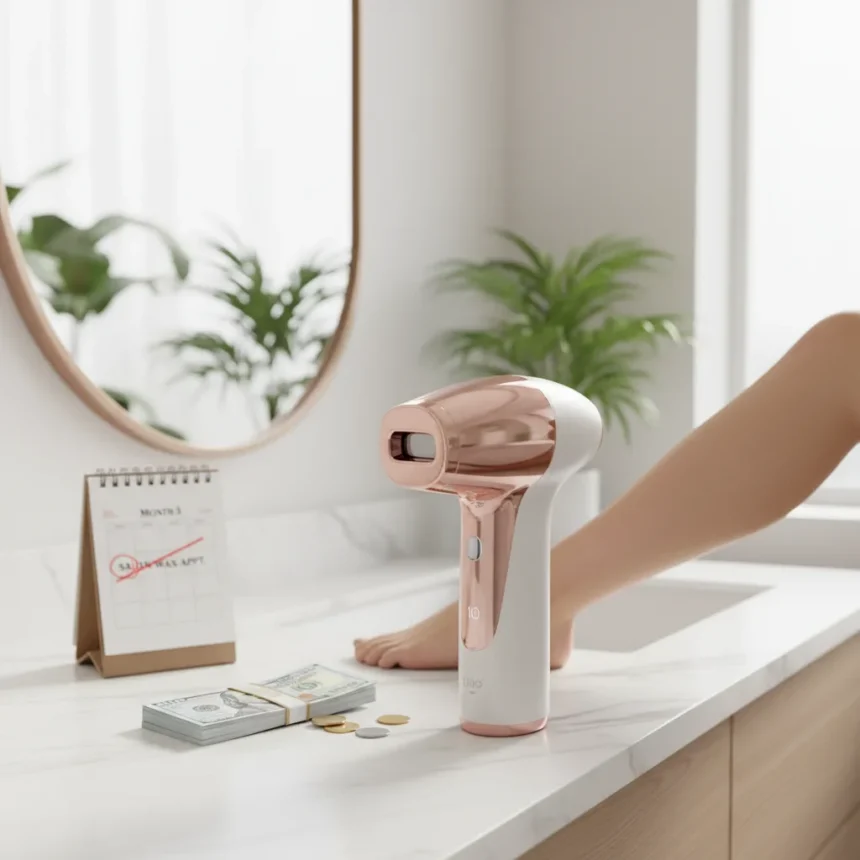
The ULike Air 10 IPL device has become the go-to alternative for people tired of dropping hundreds on salon waxes and professional laser treatments. After three months of consistent use, one user committed fully to this at-home option, ditching $350 salon wax appointments entirely. The device uses Intense Pulsed Light technology to deliver results comparable to professional treatments—without the pain, the salon appointments, or the ongoing expense.
Key Takeaways
- ULike Air 10 IPL device shows noticeable hair removal results in just three weeks of use
- Built-in cooling system maintains 65 degrees to minimize discomfort during treatment
- Recommended usage is three times weekly for one month, then fortnightly, then touch-ups only
- Device unsuitable for light hair and dark skin tones; works best on light skin with dark hair
- Long-term savings reach thousands compared to salon waxes ($350 per session) and laser treatments (over $600 per session)
How the ULike Air 10 IPL Device Compares to Salon Alternatives
Professional laser hair removal sessions cost over $600 each, and salon waxes run $350 or more per appointment. The ULike Air 10 IPL device eliminates that recurring expense by bringing salon-grade technology into your bathroom. Unlike painful laser treatments or messy waxing, this device delivers results quietly and painlessly. One user reported lasting results after quick sessions with zero discomfort—a sharp contrast to the burning sensation many associate with professional treatments.
The device competes directly with other at-home IPL systems. The Salloot Trinity iGlow 10, for instance, offers seven modes for different body areas and app reminders, with visible results in two weeks, priced at $160 with a promo code. The ULike Air 3, a related model, features three modes and a cooling effect for fully painless treatment. What sets the ULike Air 10 apart is its combination of ease of use, pain-free operation, and proven three-month real-world results.
Why the ULike Air 10 IPL Device Works So Well
The device is engineered for simplicity. Controls are foolproof, and the guided plan walks users through each session without confusion. It includes three modes tailored to fine hair, coarser hair, and touch-ups, so you adjust intensity based on your needs. The built-in SkinSensor technology auto-detects your skin tone and adjusts power automatically, removing the guesswork.

The cooling system is a significant shift. By maintaining a constant 65-degree temperature, it limits discomfort during treatment—a feature that separates this device from cheaper alternatives. One Cosmopolitan editor with sensitive skin prone to razor burn switched to the ULike device and reported no zapping or burning sensations whatsoever, with noticeably happier underarms months later. That’s the kind of real-world feedback that matters more than marketing claims.
The ULike Air 10 IPL Device Usage Schedule That Works
Results don’t happen overnight, but they arrive faster than you’d expect. The recommended protocol is straightforward: use the device three times per week for the first month, then drop to fortnightly sessions, then maintain with occasional touch-ups. One user saw noticeable results in just three weeks of consistent use. After that, maintenance becomes minimal—a quick session every few weeks keeps hair at bay without the time or money sink of salon appointments.



The ease of use cannot be overstated. Each session is quick and requires no special preparation beyond the usual pre-treatment steps. The guided plan eliminates confusion about intensity levels, frequency, or technique. Even first-time users report feeling confident within their first or second session.
Important Limitations of the ULike Air 10 IPL Device
The ULike Air 10 IPL device is not universal. It does not work on light hair and is unsuitable for dark skin tones. The technology is optimized for light skin and dark hair—if your hair is blonde, red, or gray, or your skin is deep brown or Black, this device will not deliver results. This is a hard constraint of IPL technology itself, not a flaw specific to ULike, but it’s essential to verify compatibility before purchasing.
Is the ULike Air 10 IPL device worth the investment?
If you have light skin and dark hair, the math is simple: one professional laser session costs $600, and a salon wax runs $350. The ULike Air 10 IPL device pays for itself within a few sessions and saves thousands over time. Even accounting for replacement cartridges or eventual device replacement, the long-term cost is a fraction of ongoing salon visits. For someone spending $350 every few weeks on waxes, switching to at-home IPL is a no-brainer financially.
How long does it take to see results with the ULike Air 10?
Noticeable results appear within three weeks of consistent use. Full results develop over the first month of three-times-weekly sessions. After that, maintenance touch-ups every two weeks keep hair growth minimal. The pain-free experience means you’ll actually stick with the schedule, unlike salon visits that you dread.



Can you use the ULike Air 10 IPL device on sensitive skin?
Yes. The built-in cooling system maintains 65 degrees to minimize discomfort, making it suitable for sensitive skin. One editor with razor-burn-prone skin reported zero irritation and described the experience as quick and painless. Start with the lowest intensity setting and work up if your skin tolerates it well.
Three months in, the choice is clear: the ULike Air 10 IPL device delivers on its promise of salon-quality results without the pain, the appointments, or the escalating costs. For anyone tired of salon waxes or intimidated by professional laser treatments, this device is the practical, affordable alternative that actually works.
Where to Buy
Edited by the All Things Geek team.
Source: Tom's Guide