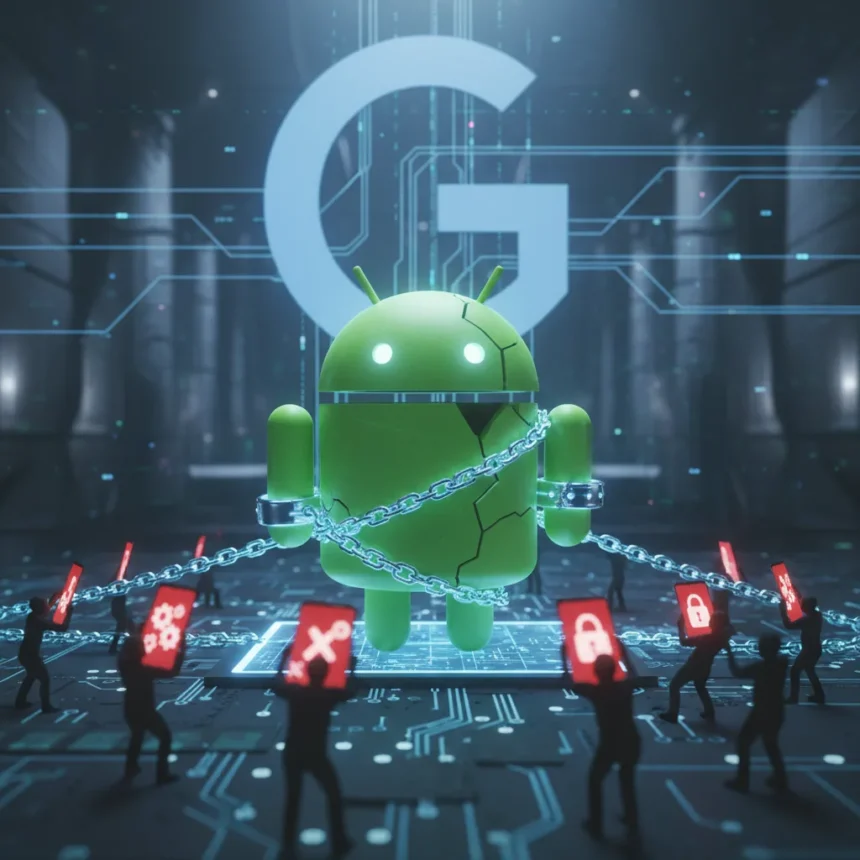
Android openness Google change represents a fundamental shift in how Google is approaching its mobile operating system, and the backlash from users is intensifying as the deadline approaches. For years, Android’s defining characteristic has been its openness—the ability for users to customize, modify, and control their devices in ways iOS simply does not allow. That promise is now under threat, and the Android community is not happy about it.
Key Takeaways
- A major Google app change is approaching that will reduce Android’s traditionally open nature.
- Android users report feeling they will lose control over their own devices.
- The shift represents a departure from Android’s core philosophy of user freedom and customization.
- Backlash from the Android community has been vocal and widespread.
- The change highlights growing tension between platform openness and corporate control.
Why Android users are angry about the upcoming shift
Android openness Google change has become a flashpoint for a deeper concern: the erosion of user autonomy in mobile devices. Historically, Android differentiated itself from iOS by allowing users genuine control over their phones. Users could sideload apps, change default apps, customize interfaces, and modify system behavior in ways that felt genuinely theirs. That flexibility was not just a feature—it was Android’s identity.
The brewing anger reflects something more than frustration with a single policy update. It signals a philosophical rift between what Android users expect from the platform and where Google appears to be taking it. When a company that built its reputation on openness begins restricting that openness, longtime users feel betrayed. The sentiment among Android fans is clear: if your phone stops being yours to control, what exactly are you paying for?
How this change threatens Android’s competitive edge
Android’s traditional advantage over iOS has always rested on choice and customization. Where Apple enforces a closed ecosystem that prioritizes security and consistency, Android thrived by offering users flexibility. Developers built entire businesses around that openness—custom launchers, alternative app stores, system modifications, and tools that would never be possible on iOS.


If Android openness Google change proceeds as reported, that differentiation collapses. Android becomes less Android. It becomes another closed platform, just slightly less locked down than iOS. For power users and developers who chose Android specifically for its open nature, this is not a minor inconvenience—it is the removal of the primary reason they adopted the platform in the first place. iOS users already accept Apple’s restrictions. They do not need Android to become iOS-lite to justify their choice.
What this means for the broader Android ecosystem
The shift toward tighter control has ripple effects beyond individual users. Independent developers, custom ROM creators, and the entire ecosystem of tools built around Android’s openness face uncertainty. When a platform’s core philosophy changes, the entire community built around that philosophy suffers. Small developers who rely on Android’s flexibility to differentiate their products may find their business models no longer viable.



The timing of this change also matters. Android openness Google change arrives at a moment when users are already questioning whether they truly own their devices. Right-to-repair movements, software locks, and subscription-based features have already eroded the sense of ownership across consumer tech. Another restriction on Android feels like the final nail in the coffin of device autonomy.
Is there a path forward?
The core tension here is unavoidable: companies want control, and users want freedom. Google has legitimate reasons to tighten security and improve consistency. But those goals do not require dismantling Android’s openness entirely. Other platforms have found middle ground—allowing customization while maintaining security, enabling sideloading while protecting users from malware.
Whether Google will adjust course depends on how loudly the Android community makes its objection heard. Platforms change when users demand it. The anger brewing among Android fans is the first signal that this particular change may have crossed a line that matters to the people who built Android’s user base in the first place.
Will this change affect all Android devices?
The research available does not specify which devices or Android versions will be impacted by the upcoming change. The scope—whether it applies globally, to new devices only, or to existing phones through updates—remains unclear from current reporting. Users should monitor official Google announcements for clarity on rollout timeline and affected hardware.



Can Android users opt out of this change?
Without details on the specific mechanism of the change, it is difficult to say whether users will have the option to disable or circumvent it. Historically, Android has offered more flexibility than iOS in this regard, but that flexibility depends on the nature of the restriction itself. Users concerned about losing control should stay informed through official Android channels and tech publications covering the rollout.
How does this compare to Apple’s approach with iOS?
Apple has always prioritized control and consistency over user customization, building iOS around the principle that users benefit from restrictions that ensure security and stability. Android’s historical strength has been the opposite—trusting users with more control. If Android openness Google change brings the platform closer to Apple’s model, it removes the primary reason many users chose Android over iOS in the first place. The two platforms will become more similar, leaving users who value openness with fewer options.
The anger brewing among Android users is not really about a single app change—it is about a platform losing its soul. Android was built on the promise that your phone is yours. If that promise evaporates, the platform loses what made it worth choosing in the first place. Google still has time to listen and adjust course, but the window for doing so is closing fast.
Where to Buy
Samsung Galaxy S26 | Samsung Galaxy S26 Plus | Samsung Galaxy S26 Ultra | Google Pixel 10 | Google Pixel 10a
Edited by the All Things Geek team.
Source: TechRadar