





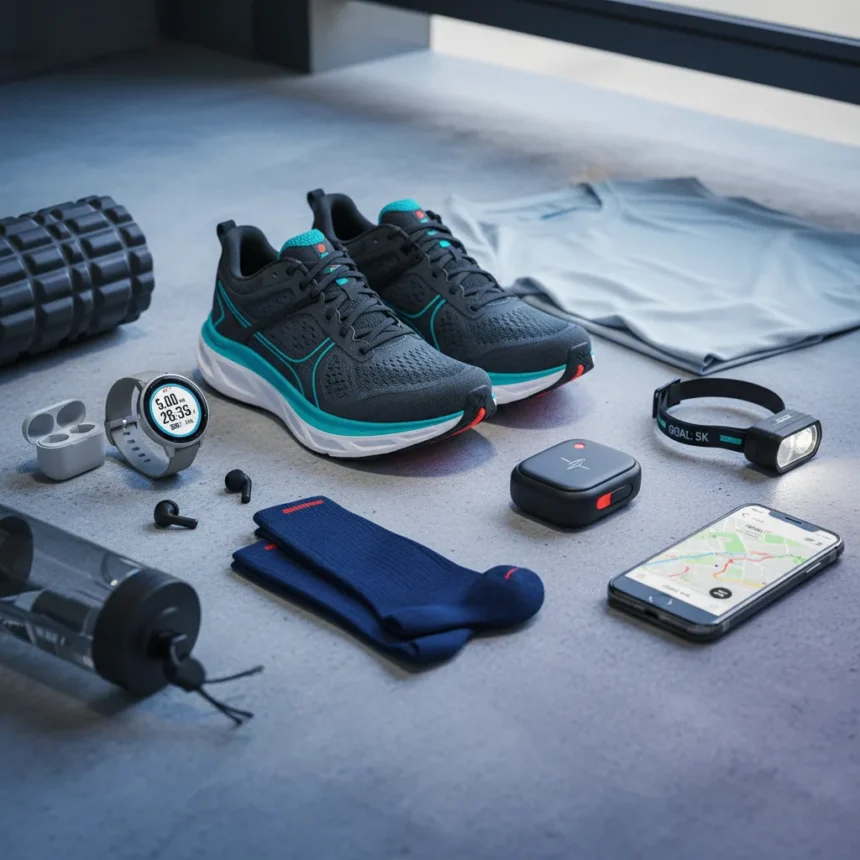
A complete beginner runner is tackling their first 5K race in just days, and they’ve assembled a collection of tech and wearable gear designed to track performance, boost motivation, and ensure they cross the finish line with confidence. First 5K race tech doesn’t need to be complicated—it just needs to work when it matters most.
Key Takeaways
- Beginner runners benefit from wearables that track pace, distance, and heart rate without overwhelming complexity.
- Race-day gear selection focuses on comfort, motivation, and real-time data feedback.
- Tech democratizes 5K training, making it accessible for runners with no prior experience.
- Spring race season sees surging interest in beginner-friendly running tools and wearables.
- Individual results depend on fitness level and training, not just the gear worn.
Why First 5K Race Tech Matters for Beginners
Jumping into a 5K without training support feels reckless. The right wearables and gadgets give beginners concrete feedback—pace, distance, heart rate—that transforms a vague goal into measurable progress. For someone with zero running experience, this data is psychological fuel. Knowing you’ve hit 2 miles when you thought you’d only done 1.5 changes the mental game entirely.
Race day amplifies this need. A smartwatch or fitness tracker provides real-time pacing data that prevents the classic beginner mistake of burning out in the first mile. You can see your heart rate climbing and adjust effort accordingly. A running app logs the entire experience, creating a digital trophy that justifies weeks of training.
Wearables and Tracking Gear for Race Day
The core of any beginner’s race-day kit involves a smartwatch or dedicated running watch that captures pace, distance, elevation, and heart rate. These devices sync with popular running apps, creating a historical record of every workout and the final race itself. The appeal is immediate feedback—glance at your wrist mid-race and know whether you’re on pace or drifting.


Beyond the watch, many beginners pair their device with a running app that provides audio cues (pace alerts, distance milestones) and post-race analysis. Some apps gamify the experience with virtual achievements or social sharing features that keep motivation high during training and on race day. The combination of wearable hardware and software creates an ecosystem that makes running feel less isolating and more structured.
Shoes and Comfort Gear for Your First 5K
The Brooks Ghost 16 emerges as a reliable choice for beginner runners, featuring nitrogen-infused DNA Loft v3 midsole foam that provides responsive cushioning without excessive weight. The shoe has been tested extensively—over 80 miles in real-world conditions—and performs well as a daily trainer. However, durability concerns with the upper material and a somewhat predictable ride mean it’s a safe choice rather than an exciting one.



Alternatively, the New Balance Fresh Foam X Hierro v9 offers a cushioned, road-like comfort profile with Vibram grip for stability, positioning it as a versatile option for beginners who want flexibility across different terrain. Neither shoe is flashy, but both prioritize the comfort and injury prevention that matter most in the critical early weeks of a running journey.
Avoiding Overhyped Gear Claims
The biggest risk with first 5K race tech is believing that gadgets guarantee success. A smartwatch won’t make your legs faster, and premium running shoes won’t compensate for inadequate training. Beginner runners sometimes fall into the trap of assuming that buying the right gear is equivalent to building fitness. It isn’t.
Individual results vary dramatically based on training consistency, baseline fitness, and injury prevention habits—not just the tech worn on race day. A runner who trained seriously with a basic watch will outperform someone who bought expensive gear but skipped workouts. The gear amplifies your effort; it doesn’t replace it. Manage expectations, focus on training, and let the tech provide feedback rather than false confidence.
Why Spring Race Season Attracts Beginner Runners
Spring is when many people commit to their first 5K. Weather improves, outdoor running becomes appealing, and the psychological reset of a new season motivates people to set fitness goals. This seasonal surge creates a perfect storm for beginner-friendly tech adoption—wearable makers, running app developers, and shoe companies all market aggressively to newcomers during this window.



For a complete beginner, this timing is advantageous. Community races are abundant, training plans are widely available, and peer support is high. You’re not alone in your first 5K—you’re part of a seasonal wave of new runners, all using similar gear and facing similar challenges.
Does expensive running tech actually improve race performance?
Not necessarily. A basic running watch or smartphone app captures all the data a beginner needs: pace, distance, and elapsed time. Premium features like advanced metrics, VO2 max estimates, or training load analysis are useful for experienced runners optimizing performance, but beginners benefit more from simplicity and consistency. Spend on comfort (shoes, socks, shorts) before spending on advanced gadgets.
What should I wear on race day besides tech?
Moisture-wicking clothing is essential—cotton holds sweat and causes chafing. Invest in running-specific socks, shorts, and a shirt designed for the sport. A small backpack or belt for carrying water or energy gels may be necessary depending on race distance and weather. Test everything in training first; race day is not the time to debut new gear that hasn’t been worn in practice.
How do I avoid overtraining before my first 5K?
Follow a structured training plan designed for beginners—typically 8 to 12 weeks of gradual mileage increases. Most plans include rest days and recovery weeks to prevent injury. Your wearable can actually help here by logging cumulative mileage and alerting you if you’re increasing distance too quickly. Listen to your body; a smartwatch tracks data, but pain and fatigue are signals that demand respect.
Your first 5K is a milestone worth celebrating, and the right tech makes the journey clearer and more motivating. Skip the hype, focus on consistent training, and let the gear do what it’s designed to do: give you real-time feedback and a digital record of an achievement that started with a single decision to run.
Where to Buy
Beats Powerbeats Pro 2 : | Pudolla Men’s 2 in 1 Running Shorts:
Edited by the All Things Geek team.
Source: Tom's Guide




