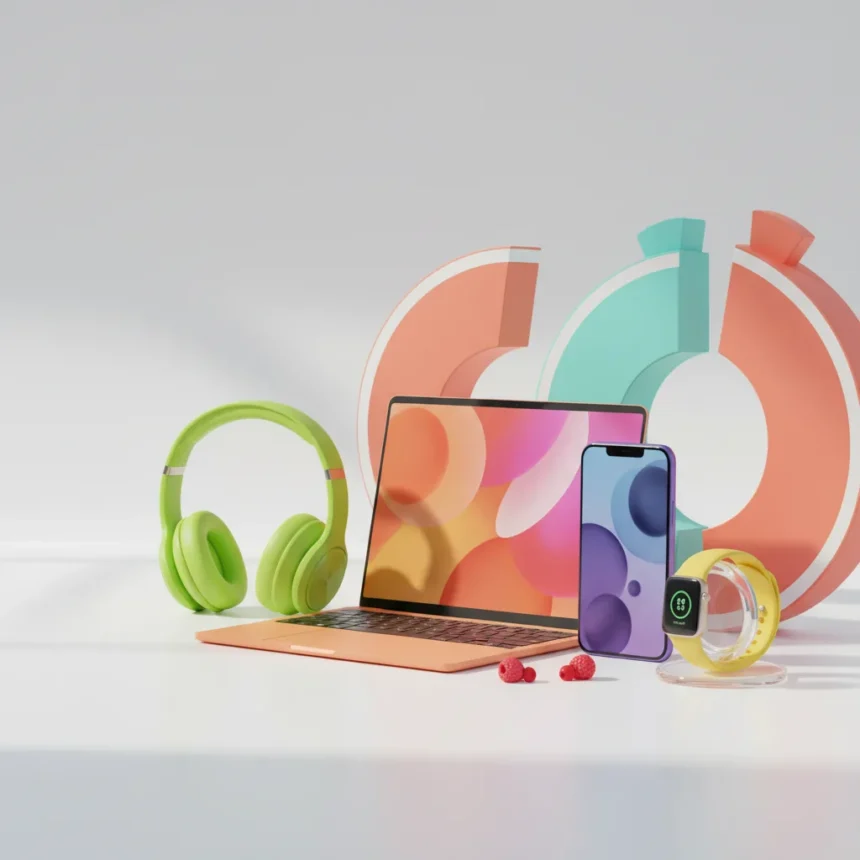
The fruity color trend tech is reshaping how major manufacturers approach device design in 2026, moving away from the black and white monotony that has defined consumer gadgets for over a decade. After years of incremental spec improvements and identical color palettes, tech companies are finally embracing something a little more fruity—vibrant, fruit-inspired hues that signal a genuine aesthetic overhaul across phones, laptops, and accessories.
Key Takeaways
- Tech brands are abandoning black and white for fruity-inspired color palettes in 2026.
- The fruity color trend tech represents the biggest design shift since smartphones became mainstream.
- Major manufacturers are expected to launch devices in vibrant fruit-like hues including oranges, reds, and berry tones.
- This trend contrasts sharply with the minimalist black aesthetic that dominated flagship phones and laptops for years.
- 2026 marks a turning point where color differentiation becomes a key competitive advantage.
Why Black and White Dominated Tech for So Long
For nearly two decades, black and white have been the default palette for premium tech. Flagship smartphones from major brands, high-end laptops, and professional gadgets all embraced this neutral aesthetic, treating color as either a budget-tier option or a risky outlier. The reasoning was simple: black looked professional, white appeared clean, and both were safe choices that appealed to the broadest possible audience. But safety breeds sameness, and consumers have grown tired of opening a box to find yet another matte black phone or silver laptop that looks identical to what they owned five years ago.
This conservative approach to color in tech created an unintended consequence—a market ripe for disruption. When every flagship device shares the same color palette, differentiation becomes purely about specifications and branding rather than visual identity. Consumers couldn’t distinguish their device at a glance without checking logos. The fruity color trend tech emerges precisely because this status quo has become untenable.
The Fruity Color Trend Tech Takes Shape in 2026
The fruity color trend tech brings vibrant, nature-inspired hues to mainstream devices. Rather than muted pastels or artificial neons, these colors draw inspiration from actual fruit—warm oranges, deep reds, sunny yellows, and rich berry tones that feel both playful and premium. The shift is not about gimmicks; it represents a fundamental rethinking of how color can serve as both aesthetic expression and functional differentiation in the gadget space.


Major tech brands are expected to launch devices across multiple product categories in these fruity shades. Smartphones, which have long been the color-trend bellwethers, will lead the charge. Laptops and tablets will follow, breaking away from the gray-and-silver monotony that has plagued portable computing. Even accessories—cases, chargers, and peripherals—will embrace the palette, creating cohesive ecosystems where color becomes a genuine design statement rather than an afterthought.
This represents a dramatic departure from the minimalist design philosophy that dominated the 2010s and early 2020s. The fruity color trend tech signals that manufacturers have concluded that restraint has run its course. Consumers want personality in their devices, and color is the most immediate way to deliver it.



What Sets This Trend Apart From Previous Color Cycles
Tech has cycled through color phases before—the metallic boom of the mid-2010s, the gradient craze, the rose gold phenomenon. But the fruity color trend tech differs fundamentally because it arrives at a moment when the entire industry is reassessing what matters to consumers. After years of chasing incremental processor improvements and AI features that feel disconnected from daily use, brands are recognizing that aesthetic appeal and visual distinctiveness drive purchasing decisions just as powerfully as raw performance.
The fruity palette also avoids the pitfalls of previous trends. It does not rely on artificial finishes or trendy metallics that age poorly. Fruit-inspired colors feel timeless because they reference nature itself—oranges and reds have been appealing to humans for millennia. This gives the fruity color trend tech genuine staying power beyond a single product generation.
How This Shift Challenges the Minimalist Establishment
The fruity color trend tech directly contradicts the minimalist design dogma that has governed premium tech for years. Minimalism taught that less is more, that neutral colors convey sophistication, and that bold choices are risky. But minimalism also created visual boredom at scale. When every device in a coffee shop is black or silver, minimalism stops feeling intentional and starts feeling like enforced conformity.
Brands embracing the fruity color trend tech are betting that consumers are ready for change. They are signaling that premium does not require restraint, that color can be both sophisticated and joyful, and that differentiation matters more than ever in a market saturated with similar specifications. This represents a genuine inflection point in how the industry thinks about design.



Will the Fruity Color Trend Tech Actually Take Off?
Predicting trend adoption is notoriously difficult, but several factors suggest the fruity color trend tech has real momentum heading into 2026. First, the trend arrives after years of consumer frustration with device homogeneity. Second, it requires no technological innovation—only design decisions—making it accessible to every brand simultaneously. Third, fruity colors appeal across demographics in ways that previous niche trends did not. A vibrant orange phone or berry-toned laptop has broad appeal without sacrificing perceived quality.
The risk lies in execution. If manufacturers treat the fruity color trend tech as a superficial cosmetic change without rethinking material finishes, durability, or overall design language, the trend will feel gimmicky and fade quickly. But if brands commit to the philosophy—using color as a genuine design tool rather than a marketing afterthought—the fruity palette could define an entire generation of devices.
What Does This Mean for Consumers Right Now?
For anyone shopping for tech in early 2026, the fruity color trend tech offers genuine choice for the first time in years. Rather than accepting whatever black or silver option a brand offers, consumers can select devices that actually reflect their personal aesthetic preferences. This is not a minor shift—it represents a return of color as a primary purchasing criterion rather than an afterthought.
The fruity color trend tech also signals that manufacturers are finally listening to feedback about device fatigue. When every flagship looks identical, upgrades feel less compelling. When devices come in genuinely distinct, appealing colors, the incentive to refresh increases naturally. This benefits both consumers, who get more choices, and manufacturers, who gain a new competitive lever beyond specifications.
Are fruity colors actually coming to flagship phones in 2026?
Yes, major manufacturers are expected to introduce fruity-inspired color options across flagship smartphone lines in 2026, moving away from the black and white palette that has dominated for years. The fruity color trend tech represents a deliberate strategy to differentiate devices through aesthetic appeal rather than incremental spec improvements.
Will fruity colors make devices look cheap or unprofessional?
No. The fruity color trend tech draws from nature-inspired hues—warm oranges, deep reds, and berry tones—that feel premium rather than artificial. When executed with quality materials and thoughtful design, these colors convey sophistication and personality without sacrificing professional appeal. The key difference from previous color trends is the focus on natural, timeless fruit-inspired shades rather than trendy neons or metallics.
Why are tech brands abandoning black and white now?
After years of minimalist design dominance, the fruity color trend tech emerges because consumers have grown fatigued by device homogeneity. Every flagship phone looks nearly identical, making differentiation difficult. Manufacturers recognize that color offers a powerful way to stand out, appeal to broader audiences, and make devices feel fresh without requiring technological breakthroughs. The fruity color trend tech is a response to market saturation and consumer desire for visual distinctiveness.
The fruity color trend tech represents more than a passing design fad—it signals a fundamental shift in how the tech industry approaches consumer appeal. After two decades of playing it safe with black and white, manufacturers are finally embracing color as a legitimate design tool. Whether this trend sustains depends on execution, but the appetite for change is unmistakable. In 2026, your next device might actually be colorful.
Where to Buy
40% OFFNutriBulletFlex Portable Blender, Papaya£29.98£49.99shop now | AppleAirpods Max 2, Orange£499shop now
Edited by the All Things Geek team.
Source: TechRadar