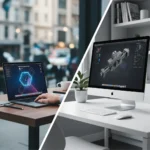
TCL NXTPAPER 2026 represents a fundamental shift in how the company approaches display technology, moving beyond its LCD heritage to tackle OLED’s most persistent flaw: excessive blue light and the eye strain that comes with extended use. The next-generation display, set to roll out in 2026, switches from LCD base panels to OLED architecture while maintaining the paper-like texture and reduced blue light output that made earlier NXTPAPER generations stand out.
Key Takeaways
- TCL NXTPAPER 2026 moves from LCD to OLED base panels to address blue light and eye strain issues.
- Previous NXTPAPER versions used nano-matrix lithography for matte texture and offered Ink Paper, Color Paper, and Regular display modes.
- Samsung and Apple OLEDs emit high blue light levels that don’t meet IEEE lighting safety standards for flicker sensitivity.
- OnePlus 13 and Honor MagicPad 4 use high PWM dimming (4500Hz+) to reduce flicker, setting a new standard for eye comfort.
- 2026 rollout targets growing consumer concern about OLED eye strain amid stagnant innovation from major flagship makers.
Why OLED’s Blue Light Problem Matters Now
Standard OLED displays from Samsung, Google, and Apple emit levels of blue light that contribute to eye strain during prolonged reading and scrolling. The issue is not just brightness—it’s the way these displays flicker at lower PWM (pulse width modulation) frequencies, which studies link to discomfort and fatigue. Samsung’s Galaxy S26 Ultra uses an 8-bit panel with dithering to simulate 10-bit color, but this approach does nothing to address the underlying blue light and flicker problems that plague the broader OLED ecosystem.
Meanwhile, competitors are moving faster. OnePlus 13 pairs a BOE X-series OLED with a P1 chip that enables hybrid PWM and DC dimming at 4500 nits brightness, earning an A+ DisplayMate rating. Honor MagicPad 4 pushes further with 165Hz OLED refresh and 5280Hz PWM dimming on its LTPS panel. These advances reveal that Samsung and Apple’s displays, once considered the gold standard, are now lagging on the eye comfort metric that matters most to users who spend hours on their devices daily.
How TCL NXTPAPER 2026 Differs from Previous Generations
Earlier NXTPAPER versions used LCD panels with blue light filters and nano-matrix lithography to create a matte, paper-like texture. The technology offered three modes: Ink Paper (monochrome, mimicking E Ink), Color Paper (limited color palette for reading), and Regular (full color). These displays had lower brightness than standard LCD due to their diffused backlight, but that trade-off made them superior for ebook readability compared to typical smartphone screens.


The jump to OLED changes the game. By using OLED as the base layer instead of LCD, TCL gains the brightness and color gamut advantages of OLED while layering in its proven blue light reduction and matte texture technologies. The 2026 version will further lower blue light output and expand color gamut—two critical improvements that address OLED’s core shortcomings without abandoning the paper-like reading experience that made NXTPAPER unique. Recent demos at CES in Las Vegas and Mobile World Congress in Barcelona showed upgraded nano-matrix lithography delivering crisper text, images, and video, setting the stage for what the 2026 model will deliver.
The Timing: Why 2026 Matters
Display innovation has stalled at the flagship level. Samsung, Google, and Apple iterate on refresh rates and brightness, but none address the eye strain problem directly. TCL is positioning NXTPAPER 2026 as the answer to a growing consumer frustration: premium phones with beautiful screens that hurt to look at for long periods. This is not a niche complaint—PWM sensitivity concerns are rising across tech communities, and major manufacturers have ignored the signal.



TCL’s approach is bold because it prioritizes eye comfort over raw specs. While competitors chase 120Hz and higher refresh rates, NXTPAPER 2026 will target users who value a screen they can actually use for reading, messaging, and work without fatigue. The 2026 launch window gives TCL time to refine the OLED-NXTPAPER hybrid and ensures the technology reaches market when consumer awareness of display-related eye strain is at its peak.
How NXTPAPER 2026 Compares to E Ink and Standard OLED
E Ink dominates e-readers because it eliminates flicker and blue light entirely, but it sacrifices color and responsiveness. Standard OLED gives you color, brightness, and speed but punishes your eyes with excessive blue light and PWM flicker. NXTPAPER 2026 attempts to split the difference: it keeps OLED’s color and brightness while importing E Ink’s eye-friendly characteristics through blue light reduction and paper-like texture.
The comparison to Honor MagicPad 4 is instructive. Honor’s tablet uses a 165Hz OLED with aggressive PWM dimming at 5280Hz, which is effective but still relies on frequency-based solutions rather than structural changes to the display itself. NXTPAPER 2026 tackles the problem at the source by combining OLED architecture with optical filters and surface treatment—a more holistic approach that may prove more effective for sustained reading sessions.
What We Still Don’t Know
TCL has not disclosed specific blue light reduction percentages, color gamut expansion figures, or exact brightness levels for the 2026 NXTPAPER. Early demos were impressive, but quantified metrics are absent. Pricing and device availability remain unannounced, and it is unclear whether the technology will appear in phones, tablets, or both. The brief window between now and 2026 will determine whether NXTPAPER 2026 becomes a category-defining display or remains a niche offering for reading enthusiasts.

Will NXTPAPER 2026 Force Samsung and Apple to Innovate?
If TCL delivers meaningfully lower blue light and flicker with the 2026 launch, it could embarrass Samsung and Apple into prioritizing eye comfort in their flagship designs. Right now, both companies treat display health as a checkbox feature—blue light filters, always-on modes, reading modes—rather than a fundamental design principle. NXTPAPER 2026 proves that a different approach is possible.
When does TCL NXTPAPER 2026 launch?
TCL has confirmed a 2026 rollout but has not announced a specific month or quarter. The company demonstrated updated NXTPAPER technology at CES in Las Vegas and Mobile World Congress in Barcelona, signaling that the 2026 version is in advanced development stages.
How much blue light does NXTPAPER 2026 reduce compared to standard OLED?
Exact reduction percentages have not been disclosed by TCL. The company has stated that the 2026 version will further lower blue light output compared to previous NXTPAPER generations, but specific figures are unavailable at this time.
Can NXTPAPER 2026 compete with OnePlus and Honor’s high-PWM OLED displays?
NXTPAPER 2026 takes a different approach than OnePlus 13 and Honor MagicPad 4, which rely on high PWM frequencies to reduce flicker. Instead, TCL combines OLED with optical filtering and matte surface treatment. Whether this structural approach proves more effective than frequency-based solutions will depend on real-world testing once devices ship in 2026.
TCL NXTPAPER 2026 arrives at a moment when display innovation has become stale and eye strain has become a legitimate concern for smartphone and tablet users. By moving to OLED while preserving its paper-like, blue-light-reducing approach, TCL is betting that consumers care more about comfort than raw specs—a wager that could reshape how flagship displays are designed.
Where to Buy
Edited by the All Things Geek team.
Source: Android Central