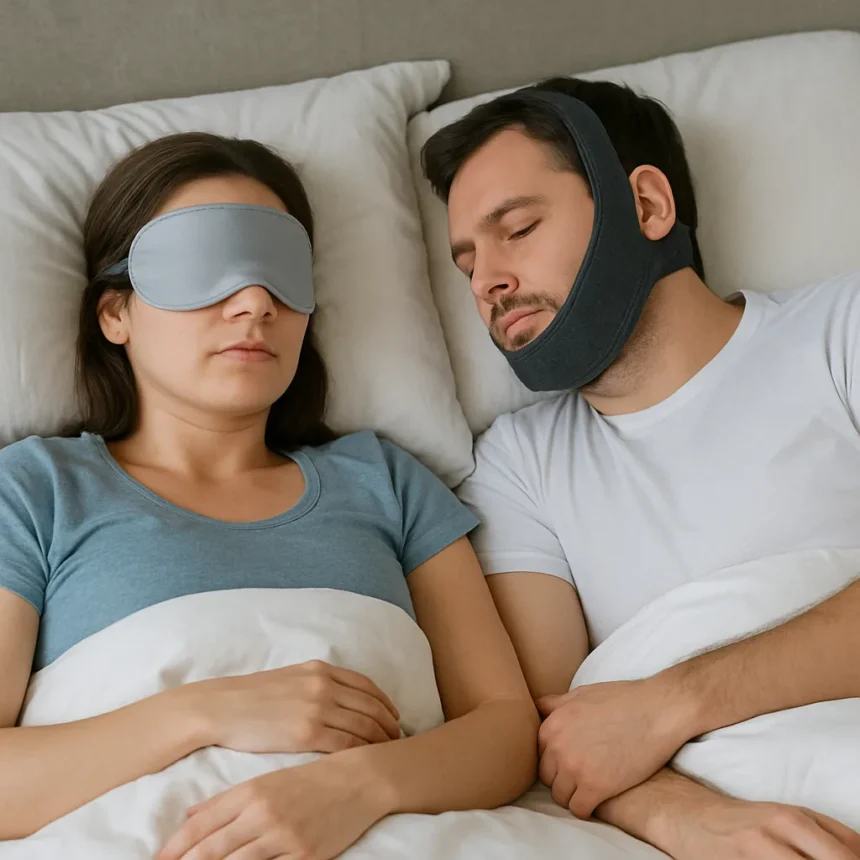
Why couples sleep products are having a moment
Couples sleep products designed to tackle snoring, restlessness, and noise have moved from niche wellness items to genuine bedroom essentials, and the reason is simple: shared sleep is hard. The so-called sleep divorce trend — where partners retreat to separate rooms rather than fix the problem — is growing, and a wave of mattresses, toppers, and earplugs is pushing back against it. Whether it is a snoring partner or a restless sleeper thrashing through the night, the disruption is mutual and cumulative. The good news is that targeted products can resolve most of these issues without anyone moving to the couch.
The real problem with sharing a bed
Snoring and movement are the two biggest culprits when couples lose sleep beside each other. A snoring partner keeps a light sleeper awake, while a restless co-sleeper transmits every toss and turn across the mattress. These are not minor annoyances — chronic sleep disruption affects mood, cognitive function, and long-term health. The instinct to sleep separately is understandable, but it is also avoidable with the right setup.
The challenge is that most people try to solve both problems with a single product, which rarely works. Snoring and motion transfer require different solutions. Addressing them separately — with purpose-built couples sleep products for each issue — is a far more effective approach than hoping one mattress fixes everything.
Which couples sleep products actually work for motion isolation
Motion isolation is the most important factor for restless co-sleepers, and dense foam consistently outperforms spring systems here. The Tuft and Needle Original uses dense foam construction that absorbs movement rather than transferring it across the sleeping surface, making it a practical option for couples where one partner is a habitual night-mover. It comes with a 100-night trial, which matters when you are making a purchase this significant without guaranteed results.


For couples who already own a mattress but need to upgrade its performance, the Helix Dual Comfort Mattress Topper is a smarter move than replacing the entire bed. At 3 inches thick with corner straps to keep it in place, it features a split firmness design — a softer side for side sleepers and a firmer side for front or back sleepers — plus a GlacioTex cooling cover. One tester noted that a front-sleeping partner appreciated the extra cushioning and support the topper provided. This split approach is a far cheaper alternative to adjustable-firmness smart beds, which can cost multiples more.
The Leesa Sapira Hybrid earned a 5 out of 5 motion isolation score in Tom’s Guide testing, making it one of the strongest performers for couples where one partner is particularly fidgety. Its medium-firm feel, rated around 6 out of 10, suits lightweight combination sleepers well, though its edge support is a known weakness. The Nectar Luxe takes a different angle: its memory foam construction cradles side sleepers and reduces the tendency to roll onto the back — a position that worsens snoring — while also delivering robust edge support.



How earplugs solve the snoring problem couples sleep products alone cannot fix
No mattress eliminates sound. If snoring is the primary issue, earplugs are a direct and underrated solution. The Loop Quiet 2 reduces noise by up to 24dB, uses soft silicone tips in four sizes for a secure fit, and is rated to last five years — making the $27.95 price point genuinely reasonable over time. Unlike disposable foam plugs that fall out during the night, the Loop Quiet 2 stays in place, which is the practical difference between a product that works and one that does not.
The combination of a motion-isolating mattress or topper with a reliable pair of earplugs addresses both primary causes of shared sleep disruption simultaneously. That pairing is more effective than chasing a single product that promises to solve everything.
Is sleep divorce ever the right answer?
Sleep divorce — sleeping in separate rooms by choice — is a legitimate option for some couples, but it is worth exhausting targeted solutions first. The Scandinavian sleep method, which involves two separate duvets on a shared bed, is one low-cost intervention that addresses temperature and cover-stealing without requiring separate rooms. Couples sleep products like split toppers and noise-blocking earplugs sit in the same category: low-disruption fixes that preserve the shared sleeping arrangement most couples prefer.
What should couples look for in a mattress for shared sleep?
Motion isolation is the top priority, followed by pressure relief and edge support. Dense foam mattresses and hybrid models with individually wrapped coils perform best for couples. A split-firmness topper is worth considering if partners have genuinely different comfort preferences, as it sidesteps the compromise that leaves both people slightly uncomfortable.



Do earplugs actually help with a snoring partner?
Yes, when they fit properly and stay in place. The Loop Quiet 2 reduces noise by up to 24dB and comes in four silicone tip sizes to ensure a secure fit throughout the night. They are not a cure for snoring, but they are an effective way to prevent snoring from disrupting the non-snoring partner’s sleep.
Are split-firmness mattress toppers worth it for couples?
For couples with genuinely different firmness preferences, a split topper like the Helix Dual Comfort is a cost-effective alternative to buying a new mattress or investing in an expensive adjustable-firmness bed. The 3-inch depth provides meaningful comfort adjustment, and the corner strap design keeps it from shifting during the night.
The sleep divorce narrative is compelling, but it is largely unnecessary for couples willing to address snoring and motion transfer as separate problems. A motion-isolating mattress or topper handles restlessness; earplugs handle noise. Together, these couples sleep products make sharing a bed viable again — without anyone relocating to the spare room.
Where to Buy
LULUSILK Mulberry Silk Sleep Eye Mask | MUSICOZY Bluetooth Sleep Headband | Zinus Green Tea Memory Foam Mattress | Bedsure Down Alternative Quilted | Brooklinen All-Season Down Alternative
Edited by the All Things Geek team.
Source: Tom's Guide