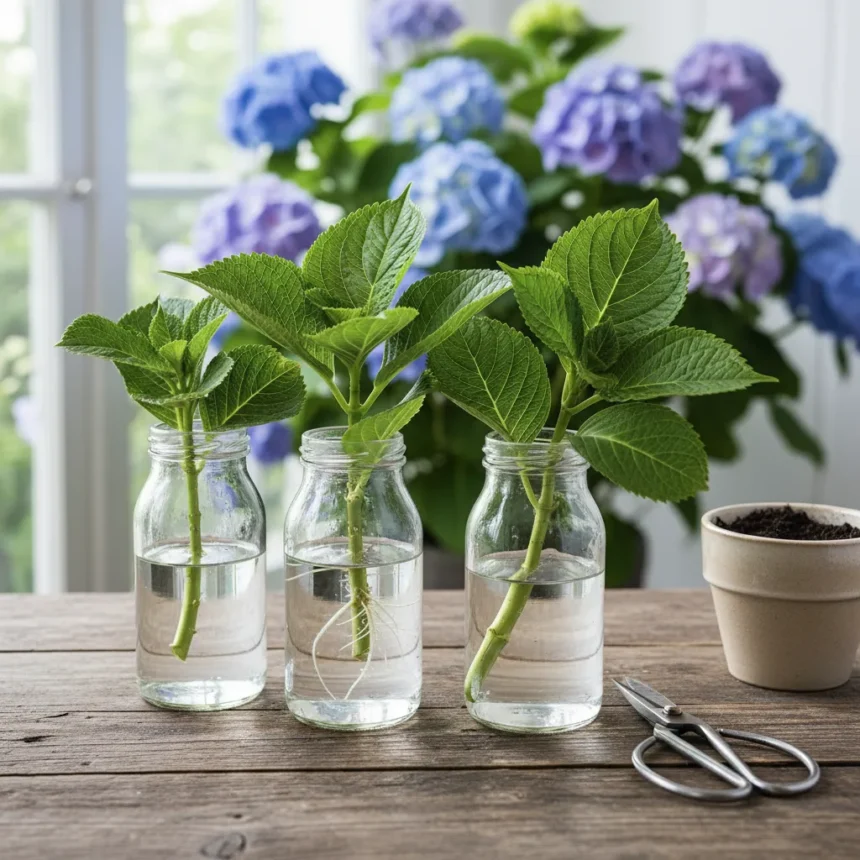
Hydrangea propagation is a straightforward technique that lets gardeners create new plants from existing ones without spending money on nursery purchases. Instead of buying fresh hydrangeas each season, experienced gardeners rely on a simple method that produces reliable results and costs nothing beyond basic materials already in most homes.
Key Takeaways
- Hydrangea propagation eliminates the need to purchase new plants, saving gardeners money year after year.
- The method is simple enough for beginners but produces reliable, healthy new plants.
- Gardeners widely recommend this free multiplication technique over buying replacements.
- Propagated hydrangeas develop into mature plants with the same characteristics as the parent plant.
- The process requires only materials most gardeners already have on hand.
Why Hydrangea Propagation Beats Buying New Plants
Purchasing hydrangeas from nurseries adds up fast, especially if you want to expand a garden or replace aging plants. Hydrangea propagation eliminates this expense entirely. Once you understand the basic method, you can generate as many new plants as you need from a single parent plant, creating a thriving hydrangea collection without opening your wallet.
The financial advantage compounds over time. A single hydrangea can produce dozens of propagated cuttings, each capable of becoming a mature, flowering plant. This means one established hydrangea in your garden can become the foundation for an entire section of new growth. Gardeners who master this technique find themselves with surplus plants they can share with neighbors or use to fill bare spots in their landscape.
The Simple Method Gardeners Swear By
The core technique behind hydrangea propagation is straightforward enough that anyone can succeed. The method relies on taking cuttings from healthy parent plants and encouraging them to develop roots. Gardeners consistently report high success rates with this approach, making it far more reliable than hoping a neglected plant survives on its own or gambling on clearance nursery stock.


What makes this method so widely recommended is its simplicity and accessibility. You don’t need specialized equipment, expensive rooting hormones, or a greenhouse setup. The basics are within reach of any gardener willing to spend a little time on the process. Success depends more on understanding a few key principles than on having professional-grade tools or rare materials.
Building a Hydrangea Collection Without the Cost
Once you’ve mastered hydrangea propagation, expanding your garden becomes a matter of patience rather than budget. Each successful cutting represents a new plant that will eventually reach maturity and produce its own cuttings, creating a self-sustaining cycle of growth. This approach transforms a single hydrangea into the seed stock for an entire garden transformation.



The ability to propagate also gives you control over plant placement and variety. Rather than being limited by what nurseries have in stock, you can multiply the exact hydrangea varieties you already love and position them precisely where you want them. This level of customization is impossible when buying new plants, and it costs nothing beyond your time and effort.
Is hydrangea propagation difficult for beginners?
No. The method is designed to be simple and accessible to gardeners at any skill level. While success requires following a few key steps carefully, the process itself is straightforward and forgiving. Most beginners see positive results on their first attempt.
How many new plants can you get from one hydrangea?
A single mature hydrangea can produce multiple viable cuttings, allowing you to generate numerous new plants. The exact number depends on the size of your parent plant and how many cuttings you’re willing to take without harming it.
Can propagated hydrangeas flower the same year?
Propagated hydrangeas typically need time to establish roots and develop into mature plants before they’re ready to produce blooms. Most gardeners expect their first flowers after the new plants have had a full growing season to establish themselves.



Hydrangea propagation represents a shift in how gardeners think about plant expansion. Instead of viewing your garden as dependent on nursery purchases, you become the source of new plants. This approach saves money, gives you control over your garden’s development, and creates a satisfying cycle where one plant becomes many. For anyone serious about building a lush hydrangea garden, mastering this free multiplication method is the logical first step.
Where to Buy
Edited by the All Things Geek team.
Source: Tom's Guide