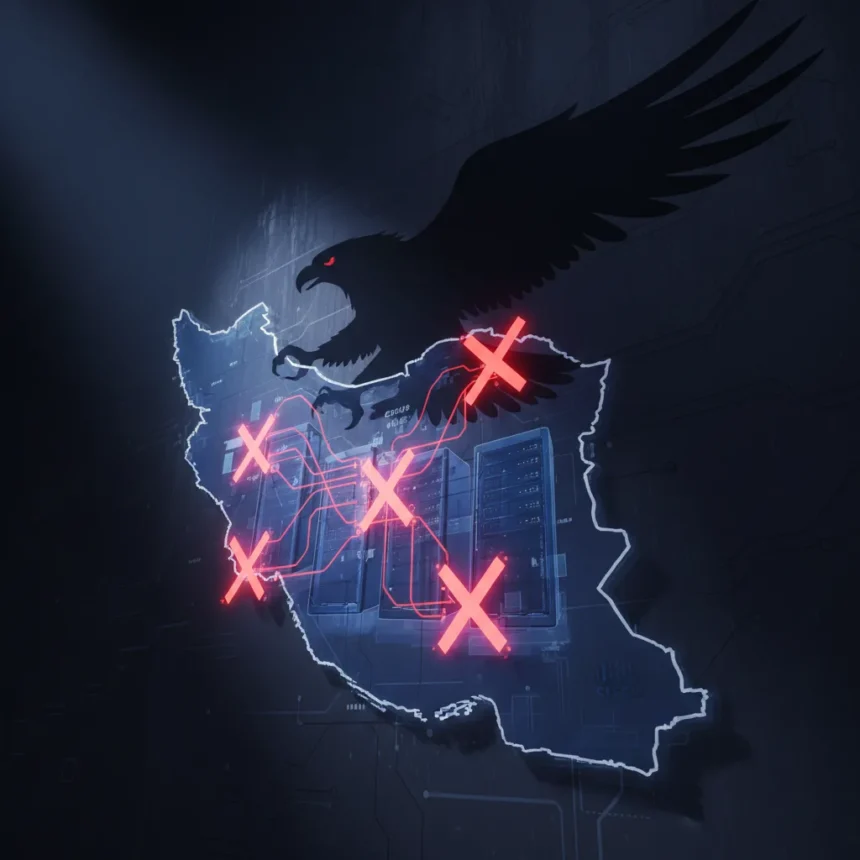
Networking equipment backdoors have become a flashpoint in geopolitical conflict. Iranian state media reported that U.S.-made communications devices from Cisco, Juniper Networks, Fortinet, and MikroTik suddenly failed during a recent U.S. military strike on Iran’s Isfahan Province, despite Iran having disconnected from the global internet.
Key Takeaways
- Iranian officials claim networking equipment from major vendors rebooted or disconnected simultaneously with U.S. strikes, suggesting deliberate sabotage.
- Affected equipment included products from Cisco, Juniper Networks, Fortinet, and MikroTik.
- Iran’s cyber laboratories announced plans to release technical evidence of alleged coordination between manufacturers and U.S./Israeli entities.
- No independent verification exists; Iran’s internet blackout makes outage confirmation difficult.
- Claims highlight broader concerns about supply chain vulnerabilities in critical infrastructure worldwide.
What Iran Claims About Networking Equipment Backdoors
Iranian state media alleged that networking equipment backdoors allowed the U.S. to disable critical communications infrastructure during military operations. According to Fars News Agency, devices either rebooted or disconnected simultaneously with the attack, despite Iran’s intentional disconnection from global internet gateways. The timing raised suspicions among Iranian officials that embedded backdoors—not coincidence or physical damage—caused the failures.
The allegations carry significant weight in Iran’s narrative about foreign technology risks. Iranian cyber sources claimed the incident demonstrated that “the backbone of a country’s cybersecurity cannot depend on foreign equipment”. This framing positions the alleged backdoor exploitation as evidence that reliance on Western networking gear creates unacceptable strategic vulnerabilities.
Which Vendors Are Implicated in the Backdoor Allegations
Four major networking equipment manufacturers faced allegations: Cisco, Juniper Networks, Fortinet, and MikroTik. The inclusion of MikroTik—a Latvian vendor emphasizing EU product development—suggests Iran’s concerns extend beyond American companies to any foreign-made networking infrastructure. This broad targeting reflects a growing global anxiety about supply chain security, where countries question whether any external vendor can be fully trusted.


Iran’s cyber laboratories promised to release technical details and evidence of alleged coordination between these manufacturers and U.S./Israeli entities. No such evidence has yet appeared publicly, and independent cybersecurity researchers have not confirmed the backdoor claims. The lack of technical disclosure leaves the allegations unverified, though the specificity of the vendor names and the timing of the reported failures lend them surface plausibility.
Why Verification Remains Impossible
Independent confirmation of Iran’s networking equipment backdoor claims faces a fundamental obstacle: Iran’s internet has been largely closed to external monitoring. Outages cannot be independently verified, and Iran controls all technical details released to the public. This information asymmetry means Western cybersecurity researchers cannot audit the alleged failures or examine affected devices.



Alternative explanations circulate among analysts. Power surges from bombing damage, exploitation of unintentional vulnerabilities (requiring no deliberate backdoor), pre-programmed disconnection commands, or even internal Iranian actors with pro-Israel sympathies have been proposed as possible causes. Hypothesized technical mechanisms—hidden firmware backdoors, satellite-signal activation, or botnet infection—remain speculative without forensic evidence.
Global Implications for Networking Equipment Security
The allegations, whether substantiated or not, accelerate an existing trend: countries reassessing foreign-made networking equipment in critical infrastructure. Iran’s reported response—purging U.S. gear from networks—mirrors similar moves globally, where nations question whether Chinese, American, or European equipment poses unacceptable risks. The networking equipment backdoor debate is no longer theoretical; it shapes procurement decisions and supply chain strategy worldwide.
Chinese state media amplified Iran’s claims, portraying the U.S. as engaged in aggressive cyber warfare while positioning China as a more trustworthy alternative. This geopolitical messaging underscores how equipment security concerns become tools in broader great-power competition. Vendors like Cisco and Juniper face reputational pressure regardless of whether the backdoor allegations prove true.
What Happens If the Claims Are Substantiated
Should Iran‘s cyber laboratories release credible technical evidence of networking equipment backdoors, the implications would reshape global infrastructure security. Governments would demand independent audits of all foreign-made network gear, accelerating the “de-Americanization” and “de-Westernization” of critical systems in non-aligned countries. Vendors would face legal liability, export restrictions, and market exclusion in key regions.



However, the burden of proof remains on Iran. Releasing vague technical details or unverifiable claims would only deepen skepticism. Cybersecurity researchers outside Iran’s control would need to independently reproduce the alleged backdoor behavior, examine firmware, or document command-and-control communication—a process that could take months or years if evidence exists at all.
Can networking equipment backdoors actually work during an internet blackout?
Yes, in theory. If a backdoor were embedded in device firmware or bootloader, it could be triggered by a pre-set time, a satellite signal, or a local network command before the internet blackout occurred. However, this requires sophisticated coordination and advance planning. A simpler explanation—that bombs damaged power systems or that devices were configured to disconnect on command—remains more plausible without evidence of actual backdoor code.
Why does Iran blame Cisco and Juniper specifically?
These vendors dominate enterprise networking infrastructure globally, including in Iran. Their ubiquity makes them obvious targets for suspicion. If backdoors exist anywhere, they would logically be embedded in the most widely deployed equipment. However, ubiquity alone does not prove culpability—it simply means these vendors’ gear was present during the reported failures.
What should organizations do about networking equipment backdoor risks?
Organizations cannot eliminate the risk of compromised networking equipment, but they can reduce exposure. Segmenting critical networks, monitoring device behavior for anomalies, maintaining offline backups of configurations, and diversifying vendor sources limit the impact of any single compromised device. For governments and critical infrastructure operators, the networking equipment backdoor risk argues for transparency in supply chains, independent security audits, and redundant communication systems that do not depend on a single vendor’s gear.
The Iran allegations remain unproven, but they have already shifted how nations think about networking equipment security. Whether the backdoors are real or imagined, the fear they generate is reshaping global infrastructure strategy. Countries that depend on foreign-made gear now face a choice: accept the risk, invest in domestic alternatives, or pursue a costly diversification strategy that hedges against vendor-level compromise. For Cisco, Juniper, and other major vendors, the reputational damage may prove as significant as any actual backdoor would be.
Edited by the All Things Geek team.
Source: Tom's Hardware