





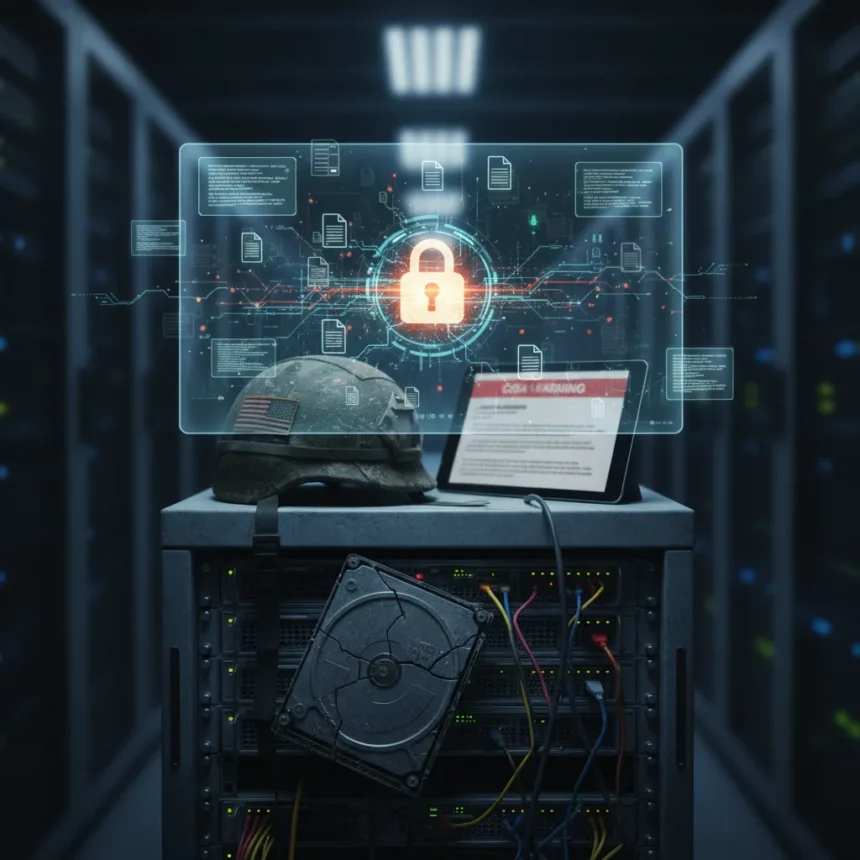
An open directory listing vulnerability exposed more than 70,000 sensitive US Army files on an unsecured AWS S3 bucket, with the breach persisting for over a year despite prior CISA warnings about such misconfigurations. The exposed data included personnel information, military base schematics, contractor details, and photographs of US military installations—a treasure trove for state-sponsored adversaries.
Key Takeaways
- Over 70,000 US Army files exposed via misconfigured AWS S3 bucket with open directory listing
- Breach lasted more than one year, continuing after CISA issued warnings on similar vulnerabilities
- Exposed data included personnel records, base layouts, contractor information, and facility photos
- Vulnerability allowed public access without authentication to sensitive military infrastructure data
- Incident highlights persistent failure to remediate known configuration risks in government systems
How the Open Directory Listing Vulnerability Exposed Military Data
An open directory listing vulnerability allowed unauthenticated public access to the misconfigured server, exposing sensitive military information without any authentication requirement. Security researchers discovered the breach, which had been active for more than a year before remediation. The vulnerability stemmed from improper AWS S3 bucket configuration—a common but preventable mistake that leaves entire directories browsable to anyone with the URL.
The files stored on the unsecured server included personnel information, detailed base schematics showing military facility layouts, contractor records, and photographs of US military installations. This combination of data creates a severe national security risk, providing adversaries with both human intelligence targets and physical infrastructure blueprints. The fact that such sensitive material remained publicly accessible for over a year underscores how easily misconfiguration can bypass organizational security controls.
Why This Breach Matters Despite CISA Warnings
The exposure persisted even after CISA issued warnings about open directory listings and similar misconfigurations. This is not a zero-day exploit or a sophisticated attack—it is a well-known, easily preventable vulnerability that government agencies have been explicitly warned about. The continued exposure suggests that either the warning did not reach the contractor’s security team, the contractor failed to implement the recommended fixes, or internal processes broke down during remediation.


For a US military contractor handling classified or sensitive unclassified information, this failure carries implications beyond the immediate data exposure. It demonstrates a gap between federal cybersecurity guidance and actual implementation on the ground. When contractors ignore CISA warnings, they put not just their own data at risk but also the broader defense infrastructure that depends on their compliance.
The Broader Pattern of Misconfiguration Breaches
This incident fits into a larger pattern of preventable breaches caused by misconfigured cloud storage and directory listings. Similar incidents have exposed millions of records across other sectors—TransUnion’s third-party breach exposed over 4 million records, while Tencent sites leaked credentials through misconfigured endpoints. MathWorks experienced a ransomware incident exposing over 10,000 users, and Docker Desktop had a flaw affecting numerous users. These breaches share a common thread: they result from configuration mistakes rather than sophisticated hacking, yet they expose the most sensitive data.



What distinguishes the Army contractor breach is its direct impact on national security infrastructure. While a financial services breach affects individual privacy and financial accounts, exposed military base schematics and personnel data affect national defense. The stakes are higher, the remediation urgency greater, and the failure to act after explicit warnings more inexcusable.
Lessons for Government Contractors on Configuration Security
The incident underscores why configuration audits must be treated as seriously as vulnerability patching. An open directory listing is not a vulnerability in the traditional sense—there is no code defect to fix. Instead, it is a configuration error that requires proper access controls, bucket policies, and regular audits to prevent. Organizations handling military data should implement automated scanning to detect public-facing directories before researchers or adversaries find them.
For government contractors, the message is clear: CISA warnings are not optional guidance. They represent the government’s own assessment of active threats and known attack patterns. Ignoring them creates compliance and security failures simultaneously. The contractor in this case had over a year to respond to the warning and failed to do so, a lapse that could have consequences for contract renewals, security clearances, and reputation.
Was the open directory listing vulnerability actively exploited?
The research brief does not specify whether the exposed files were actively accessed by malicious actors during the year-long exposure window. However, given that the directory was publicly accessible to anyone with the URL, the risk of exploitation was extremely high. Assume that any data exposed for that duration on a public-facing server was potentially accessed by state-sponsored adversaries actively scanning for such vulnerabilities.



How should contractors prevent open directory listing vulnerabilities?
Organizations should implement S3 bucket policies that explicitly deny public access, use automated scanning tools to identify misconfigured buckets regularly, and maintain an inventory of all cloud storage containing sensitive data. Regular audits and access control reviews catch these issues before researchers or attackers do. Training personnel on cloud security best practices also reduces the likelihood of misconfigurations during deployment.
What data was most sensitive in the exposed files?
Military base schematics and personnel information represent the highest-value targets for adversaries, as they enable both physical and human intelligence operations. Combined with photographs of installations and contractor details, the exposed dataset provided a comprehensive picture of US military infrastructure and the people who work there. This is precisely the type of information state-sponsored actors actively seek.
The US Army contractor breach demonstrates that even government-mandated cybersecurity warnings fail when implementation discipline breaks down. Seventy thousand exposed files, a year of undetected access, and sensitive military infrastructure blueprints in the wild—all because a cloud bucket was misconfigured. The incident is not a failure of security technology but a failure of process, accountability, and response to explicit government warnings. For other contractors handling sensitive data, the lesson is unambiguous: configuration security is not optional, and CISA warnings demand immediate action.
Edited by the All Things Geek team.
Source: TechRadar




