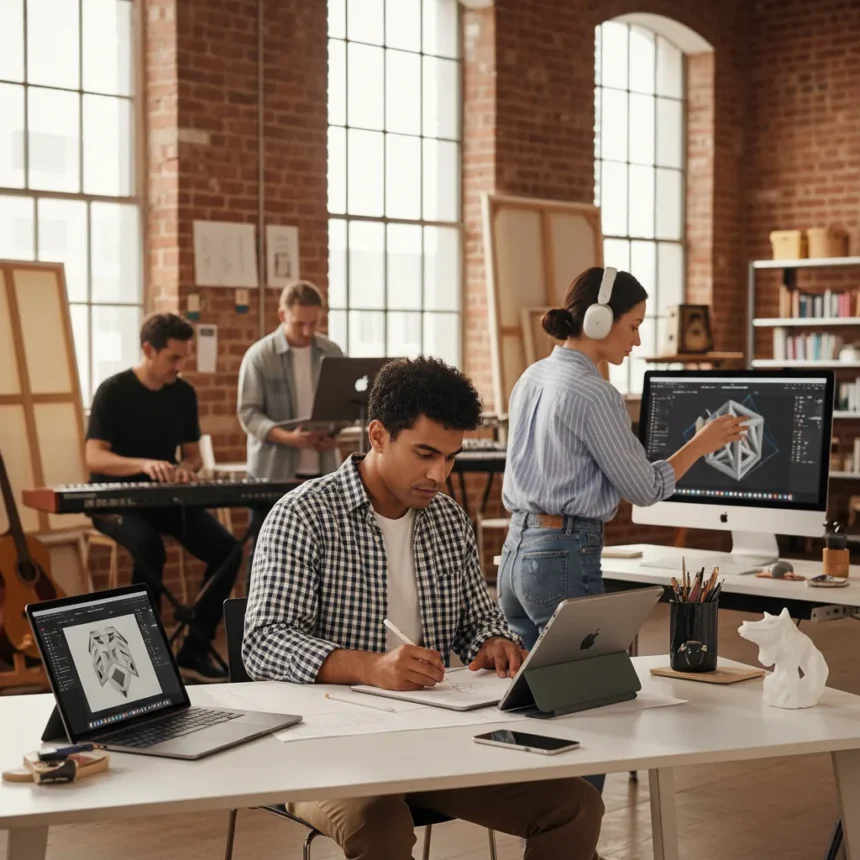
Apple’s artist collaboration campaign represents a broader industry shift toward using creative partnerships as a core marketing strategy. Rather than focusing solely on product specifications and technical features, major tech brands are increasingly turning to visual artists, musicians, and creative professionals to shape their brand identity and connect with audiences on an emotional level.
Key Takeaways
- Apple has launched multiple artist collaboration initiatives across different platforms and regions in recent years.
- These campaigns span photography exhibitions, augmented reality installations, and app store creative showcases.
- Artist collaborations allow tech brands to reach audiences beyond traditional tech enthusiasts.
- Creative partnerships demonstrate how companies position themselves as cultural platforms, not just hardware makers.
- The trend reflects changing consumer expectations around brand authenticity and creative expression.
Why Tech Brands Are Investing in Artist Collaborations
The shift toward artist collaboration campaigns reflects a fundamental change in how technology companies approach brand positioning. Rather than competing purely on processing power or camera megapixels, brands recognize that emotional connection and cultural relevance drive purchasing decisions. When Apple partners with photographers, musicians, and visual artists, the message is clear: our devices are tools for creative expression, not just consumption devices.
This strategy differentiates Apple from competitors who still rely heavily on specification-driven marketing. By positioning devices as enablers of artistic vision, Apple appeals to a broader demographic—not just tech enthusiasts but anyone interested in creative pursuits. The artist collaboration model also generates authentic content that resonates more deeply than traditional advertising. When a respected photographer or musician demonstrates a device’s capabilities through their own work, the endorsement carries more weight than a corporate announcement.
How Artist Collaboration Campaigns Take Shape
Apple’s approach to artist partnerships varies across different initiatives and markets. The company has experimented with photography exhibitions showcasing work created on its devices, augmented reality installations in retail spaces, and curated creative showcases within its digital platforms. Each format serves a different purpose: exhibitions drive prestige and cultural conversation, AR installations create immersive brand experiences, and digital showcases reach millions of potential customers directly.

The diversity of these approaches suggests Apple views artist collaboration not as a one-off marketing tactic but as an ongoing strategic pillar. By rotating through different artist disciplines—photography, visual art, music, animation—the brand maintains freshness while reinforcing a consistent message about creative capability. This multi-channel, multi-discipline strategy also allows Apple to reach different creative communities and demonstrate relevance across varied artistic fields.
The Broader Industry Implications of Artist Collaboration Campaigns
Apple’s investment in artist collaboration campaigns signals to the entire tech industry that creative partnerships are now table stakes for premium brand positioning. When one of the world’s largest tech companies dedicates marketing resources to working with artists rather than just showcasing hardware, it validates a fundamental shift in consumer expectations. Audiences increasingly expect brands to demonstrate cultural awareness and support creative expression beyond profit motives.



This trend also creates new opportunities for artists and creative professionals. Rather than viewing tech companies as purely commercial entities, artists can see them as platforms for reaching global audiences. Simultaneously, tech companies benefit from the authenticity and cultural credibility that come from genuine partnerships with respected creators. The dynamic represents a departure from traditional celebrity endorsements, where famous faces simply attach their names to products. Artist collaboration campaigns require actual creative participation, making the relationship more substantive and mutually beneficial.
How Artist Collaborations Differentiate Premium Brands
In a crowded technology market, artist collaboration campaigns serve as a powerful differentiation tool for premium brands. When multiple companies offer similar technical specifications, brand narrative becomes the deciding factor for many consumers. Apple’s willingness to invest in creative partnerships—bringing artists into the marketing process rather than simply featuring their work—sends a message about the company’s values and vision.
This approach also creates barriers to imitation. While competitors can match hardware specifications relatively quickly, replicating the cultural credibility and artistic relationships that Apple has built takes years of consistent investment. Each successful artist collaboration strengthens the brand’s reputation as a creative platform, making it harder for rivals to claim the same positioning. The strategy essentially turns creative communities into brand advocates, generating word-of-mouth marketing that traditional advertising cannot replicate.
What Makes an Effective Artist Collaboration Campaign?
Successful artist collaboration campaigns require genuine creative freedom and mutual respect between brand and artist. When a company simply instructs artists to create promotional content with predetermined messaging, the collaboration feels inauthentic and audiences respond accordingly. The most effective partnerships allow artists to pursue their own creative vision while using the brand’s tools and platforms to share their work with larger audiences.



Scale and curation also matter significantly. A poorly curated selection of artists can dilute brand positioning, while a thoughtfully assembled group of creators—representing different disciplines, geographies, and perspectives—strengthens the overall message. The number of artists involved, the quality of their work, and the visibility given to the collaboration all influence whether audiences perceive the initiative as a genuine creative investment or merely a marketing stunt.
FAQ
Why do tech companies partner with artists instead of just advertising products directly?
Artist partnerships create authentic content that resonates more deeply with audiences than traditional advertising. When respected creators demonstrate a device’s capabilities through their own work, the endorsement carries credibility that corporate messaging cannot match. These collaborations also position tech brands as cultural platforms rather than pure hardware manufacturers, appealing to broader audiences beyond tech enthusiasts.
How do artist collaboration campaigns differ across regions?
Apple and other tech companies tailor artist collaboration campaigns to local creative communities and cultural preferences. A campaign in Japan might emphasize manga artists and animation, while a European initiative might focus on photography or visual arts. This localization ensures campaigns resonate with regional audiences while maintaining consistent global brand messaging about creative capability.
Can smaller tech companies effectively use artist collaboration as a marketing strategy?
While larger companies have more resources to invest in high-profile artist partnerships, smaller tech companies can still benefit from artist collaborations by working with emerging or regional creators. The key is authenticity and genuine creative partnership rather than budget size. A smaller company’s collaboration with a respected local artist can generate meaningful cultural credibility and community engagement without requiring massive marketing expenditure.
The rise of artist collaboration campaigns reflects a maturing tech industry where emotional connection and cultural positioning matter as much as raw specifications. As technology becomes increasingly commoditized, brands that successfully partner with creative communities will build stronger customer loyalty and cultural relevance. Apple’s investment in these initiatives demonstrates that the future of tech marketing belongs to companies willing to position themselves as enablers of human creativity rather than merely sellers of devices.
Edited by the All Things Geek team.
Source: Creativebloq