The Xbox leadership transition marks a pivotal moment for Microsoft’s gaming division as Phil Spencer steps down after 38 years at the company, including 12 years leading gaming operations. Ed Fries, a former Microsoft Xbox lead, has publicly endorsed both Spencer’s legacy and the appointment of Asha Sharma as the new CEO, signaling confidence in the direction of one of gaming’s largest platforms.
Key Takeaways
- Phil Spencer retired in February 2026 after 38 years at Microsoft, with 12 years leading gaming and Xbox.
- Asha Sharma, former head of CoreAI at Microsoft, named new CEO of Microsoft Gaming.
- Ed Fries calls Spencer’s tenure a “fantastic job” and believes Sharma has an “edge” to lead.
- Xbox business nearly tripled in size under Spencer across PC, mobile, and cloud.
- Spencer remains in advisory role through summer 2026 to support the leadership handoff.
Why the Xbox Leadership Transition Matters Right Now
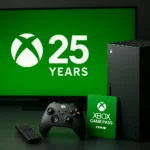
Spencer’s departure comes at a critical juncture. The Xbox business has expanded dramatically beyond traditional consoles into PC gaming, mobile platforms, and cloud services, fundamentally reshaping how Microsoft competes in gaming. With Xbox celebrating its 25th anniversary in 2026, the timing of this leadership change carries symbolic weight—a generational shift at a moment of scale and influence. Fries’ optimism suggests industry veterans view Sharma not as a caretaker but as a catalyst for the next phase of growth.
Fries stated that Sharma has an “edge” and possesses the ability to “make things happen, change the world,” reflecting confidence that extends beyond corporate courtesy. This endorsement from someone with deep roots in Xbox’s founding era carries weight. It signals that the transition is not viewed as a retreat or consolidation but as an opportunity to accelerate.
What Spencer Built and What Sharma Inherits
Phil Spencer’s 12 years leading gaming transformed Microsoft’s approach to the industry. He championed backward compatibility—allowing players to run older Xbox games on newer hardware—a feature that differentiated the platform from competitors. His acquisition strategy reshaped the industry: Minecraft, Bethesda and ZeniMax, and Activision Blizzard all joined Microsoft under his watch, dramatically expanding the studio portfolio and revenue base. Spencer also championed the Xbox Adaptive Controller, demonstrating that accessibility could be a core design principle, not an afterthought.


The business nearly tripled in size under Spencer’s leadership, with growth driven across PC, mobile, and cloud platforms rather than relying solely on console hardware sales. This architectural shift—from a device-centric to an ecosystem-centric model—required sustained vision and willingness to cannibalize traditional revenue streams. Spencer’s support for cross-platform play and ports to Nintendo Switch reflected a philosophy that gaming transcends proprietary boundaries.
Asha Sharma enters the role with a different background. As head of CoreAI, she brings expertise in artificial intelligence and machine learning, areas that will likely shape gaming’s future. Her stated commitments center on three pillars: delivering great games while empowering studios, returning to Xbox’s core identity while meeting players across devices, and building for the future of play. This suggests a balanced approach—honoring Spencer’s ecosystem expansion while sharpening focus on game quality and player experience.
The Confidence Behind the Transition
Fries’ public endorsement matters because it comes from someone who understands Xbox’s DNA. His optimism is not generic cheerleading but reflects a belief that Sharma possesses the strategic instincts and decisiveness required to navigate gaming’s rapid evolution. The fact that Spencer will remain in an advisory capacity through summer 2026 provides continuity and suggests a thoughtful handoff rather than an abrupt departure.
Sharma herself acknowledged the magnitude of the role, stating she feels “humility and urgency” in equal measure and expressing a desire to “return to the renegade spirit” of Xbox. This language suggests she recognizes that innovation, not complacency, defines the platform’s identity. Her emphasis on “relentlessly questioning everything” hints at a willingness to challenge inherited assumptions—a posture that could unlock new strategic directions.
What Comes Next for Xbox
The Xbox leadership transition unfolds against a backdrop of industry consolidation and AI-driven change. How Sharma balances game development investment, cloud gaming expansion, and AI integration will define her tenure. The console market itself is maturing, which means growth increasingly depends on services like Xbox Game Pass and on expanding reach beyond traditional gaming hardware.
Fries’ optimism suggests that industry observers expect Sharma to move decisively. Whether that means accelerating cloud gaming, deepening AI integration into game development, or pursuing new acquisition targets remains to be seen. What is clear is that the transition is being watched closely by studios, competitors, and players who depend on Xbox’s direction to shape their own strategies.


Is Phil Spencer’s legacy secure after stepping down?
Yes. Spencer’s 12-year tenure fundamentally reshaped Microsoft’s gaming business, tripling its size and establishing it as a multi-platform, service-driven operation rather than a console-only competitor. His acquisitions and backward compatibility initiatives created lasting competitive advantages. Fries’ public praise underscores that Spencer’s legacy is viewed as foundational, not transitional.
What is Asha Sharma’s background before becoming Xbox CEO?
Sharma served as head of CoreAI at Microsoft, bringing expertise in artificial intelligence and machine learning to the role. Her background in AI positions her to shape how gaming integrates emerging technologies, a key strategic priority for the industry.
Why does the Xbox leadership transition happen in 2026?
Spencer retired in February 2026 after 38 years at Microsoft, marking a natural inflection point in his career. The timing coincides with Xbox’s 25th anniversary, symbolizing a generational shift at a moment of platform maturity and scale.
The Xbox leadership transition represents more than a personnel change—it reflects Microsoft’s confidence that the gaming division is mature enough to thrive under new leadership while remaining committed to the strategic vision Spencer established. Fries’ optimism, grounded in industry credibility, suggests that Sharma enters the role with both the support of gaming veterans and the strategic clarity needed to lead. How she executes on her three core commitments will determine whether this transition accelerates Xbox’s momentum or marks the beginning of a slower era. For now, the consensus among insiders is clear: the future looks bright.
Where to Buy
Edited by the All Things Geek team.
Source: Windows Central