Xbox Game Pass Call of Duty strategy just underwent a seismic shift, and Microsoft is hoping the price cuts distract from what subscribers are actually losing. Starting April 21, 2026, Xbox Game Pass Ultimate drops from $29.99 to $22.99 per month in the US, while PC Game Pass falls from $16.49 to $13.99 per month. On paper, that’s a win. In practice, it’s a masterclass in strategic retreat dressed up as generosity.
Key Takeaways
- Xbox Game Pass Ultimate price cuts to $22.99/month (US), down $7 from $29.99, effective April 21, 2026.
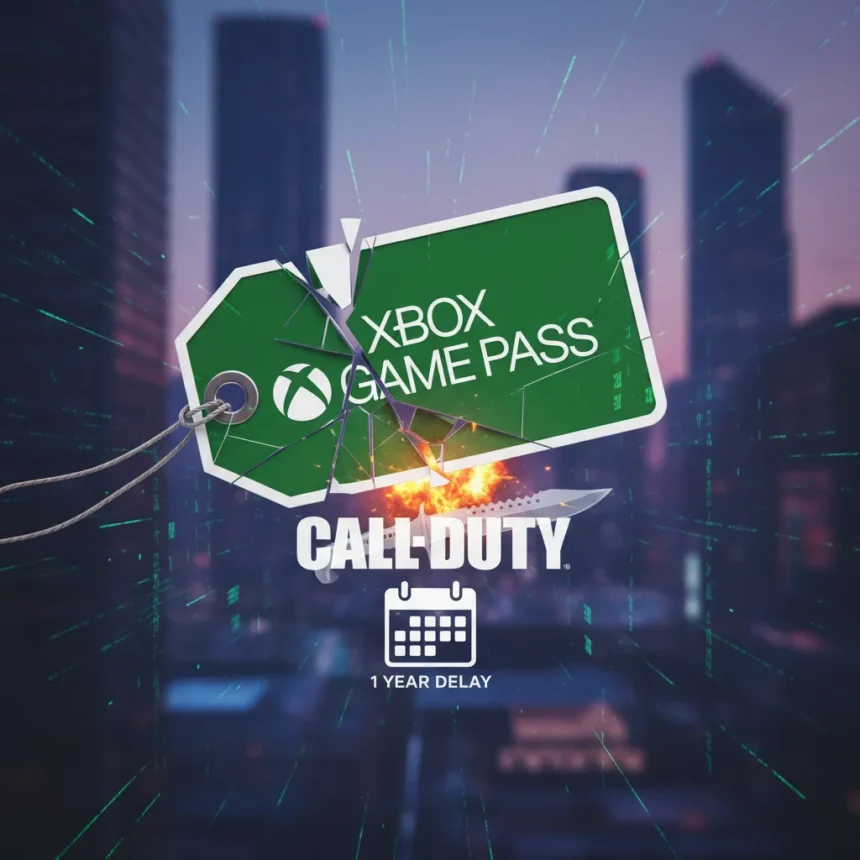
- Future Call of Duty titles will not launch day-one on Game Pass; they arrive about a year later during the following holiday season.
- Existing Call of Duty games like Black Ops 7 and MW3 remain available in the library.
- Game Pass Premium tier priced at $14.99/month includes 200+ curated games but excludes new Call of Duty day-one launches.
- Microsoft compensating with older Call of Duty titles in 2026 to offset loss of new releases.
The Real Price of Xbox Game Pass Call of Duty Changes
Here’s what Microsoft won’t lead with: the price cuts are compensation for a fundamental loss. Beginning this year, future Call of Duty titles won’t join Game Pass Ultimate or PC Game Pass at launch. Instead, new Call of Duty games will arrive during the following holiday season—roughly a year after their standard release. That’s not a minor delay. That’s the difference between playing the latest multiplayer meta when the community is active and joining a year-old game everyone else has moved past.
The pricing restructure reveals the real negotiation at work. Activision Blizzard, now part of Microsoft’s empire, has leverage. Call of Duty is Game Pass’s most bankable franchise draw. By pulling new releases from day-one availability, Microsoft is signaling that even its own studios don’t get the same treatment anymore. Game Pass Ultimate will still deliver 75+ day-one launches per year, but Call of Duty is explicitly excluded. That’s a massive gap in the value proposition.
Why Microsoft Is Banking on Older Games Instead
Microsoft’s answer to the problem is to flood Game Pass with older Call of Duty titles in 2026. This is a smart retention play but a weak substitute for current releases. Existing titles like Black Ops 7 and Modern Warfare 3 will remain available, which matters for players who want to revisit campaigns or jump into older multiplayer communities. But nostalgia doesn’t drive engagement the way new releases do. A year-old game is already halfway through its commercial life. The competitive community has stabilized. Seasonal content has been released and sometimes removed.


The psychology here is worth examining. Microsoft is betting that subscribers will accept a one-year delay for Call of Duty if the monthly cost drops by $7. That math only works if you value the savings more than access to the latest game. For casual players, it’s probably fine. For the hardcore Call of Duty audience—the players who drive engagement metrics and franchise loyalty—it’s a hard pill.
Game Pass Premium: The Overlooked Middle Ground
Buried in the announcement is Game Pass Premium at $14.99 per month, which includes 200+ curated games, unlimited cloud gaming, and online multiplayer access. It’s the tier no one talks about because it sounds like a compromise that satisfies no one. You’re paying less than Ultimate but still missing day-one Call of Duty releases. The value proposition only clicks if you’re deep in the Xbox ecosystem and rarely care about launch-day multiplayer. For most subscribers, it’s either Ultimate or nothing.



What This Means for the Subscription Wars
The Call of Duty shift signals a broader industry truth: exclusive day-one access is expensive to maintain, and even Microsoft can’t sustain it forever. PlayStation Plus Premium and Xbox Game Pass have been locked in a race to offer the newest games immediately. That race just slowed down for Call of Duty, and the cracks are showing. When a franchise as dominant as Call of Duty gets delayed, it suggests the economics of subscription gaming are tightening. Publishers want their cut. Game Pass wants its growth. Subscribers get caught in the middle.
The price cuts soften the blow, but they don’t erase it. A $7 monthly savings is meaningful—that’s $84 a year. But for players who jump in for the new Call of Duty every fall, it’s a worse deal than what they had before. Microsoft is betting the average subscriber values the discount more than the delay. Time will tell if that bet pays off.
Which Old Call of Duty Games Should Return to Game Pass?
Microsoft hasn’t confirmed which older Call of Duty titles will arrive in 2026, only that more are coming. The community is already speculating—Black Ops 1 is a fan favorite that would add significant historical depth to the library. But without an official list, it’s impossible to know whether Microsoft will prioritize the classics that built the franchise or fill slots with titles that still have commercial value elsewhere. The lack of transparency here is telling. If Microsoft had a knockout lineup ready, they would have announced it by now.
FAQ
Does the price drop apply to all regions?
The price cuts of $7 per month for Ultimate and $2.50 for PC Game Pass are confirmed for the US market. Microsoft stated that prices vary by region, but specific pricing for other countries has not been detailed.


Will I lose access to Call of Duty games already on Game Pass?
No. Existing Call of Duty titles like Black Ops 7 and Modern Warfare 3 will remain available to subscribers. The delay applies only to future releases starting in 2026.
Is Game Pass Premium worth it if I want to play new Call of Duty games?
Game Pass Premium at $14.99 per month does not include day-one Call of Duty releases either. If new Call of Duty access is your priority, neither Premium nor the standard Ultimate tier will deliver it at launch. You’ll need to wait about a year or purchase the game separately.
The real story here isn’t the price cuts—it’s the shift in power. Microsoft is no longer willing to subsidize day-one Call of Duty access, and subscribers are paying the price, even if the bill itself got smaller. Whether that trade-off feels fair depends entirely on how badly you want to play this year’s game or next year’s discount.
Where to Buy
Edited by the All Things Geek team.
Source: Windows Central