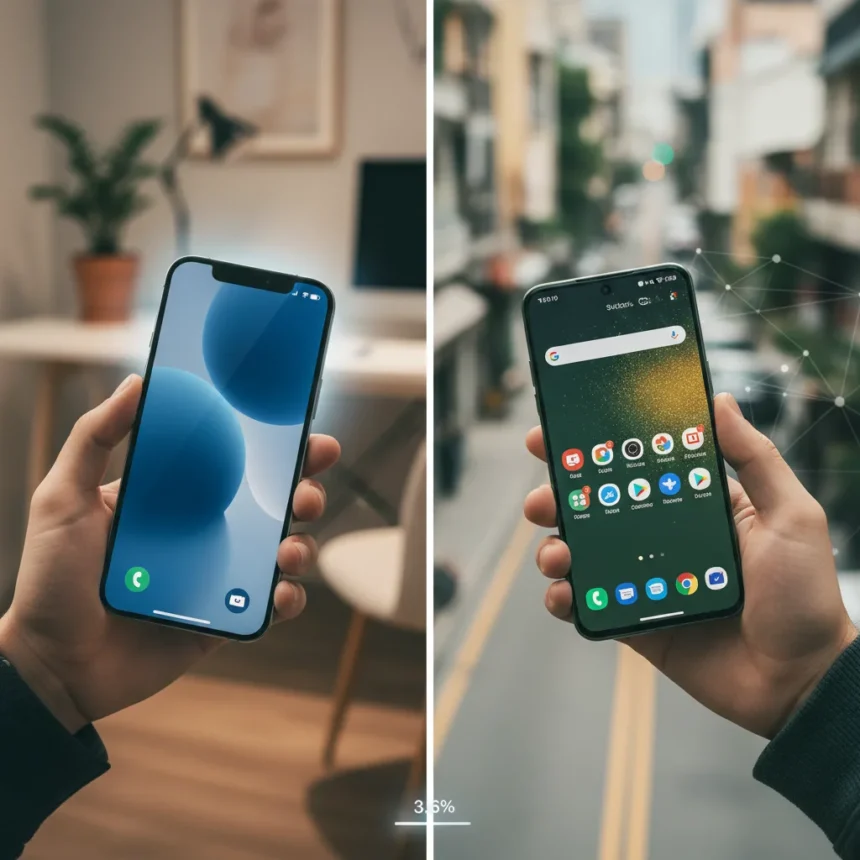
iPhone loyalty just hit a new high, with only 3.6% of iOS users thinking of switching away from Apple’s ecosystem. This record-low switch rate underscores the strength of Apple’s platform lock-in—but it also highlights a deeper truth about modern smartphone choice that the headline misses entirely.
Key Takeaways
- Only 3.6% of iOS users are considering switching platforms, marking a new high in iPhone ecosystem loyalty.
- iPhone loyalty switch rate reflects powerful ecosystem integration and brand momentum among existing users.
- Android remains the preferred choice for users prioritizing customization, openness, and device flexibility.
- Platform loyalty data masks fundamental differences in how iOS and Android serve different user needs.
- The gap between switch consideration and actual switching behavior reveals ecosystem stickiness across both platforms.
What the 3.6% iPhone Loyalty Switch Rate Really Means
The 3.6% figure represents an extraordinary retention achievement for Apple. When fewer than one in twenty existing iPhone users actively consider jumping ship, that signals ecosystem dominance at a level few tech companies ever achieve. This iPhone loyalty switch rate reflects years of tightly integrated hardware, software, and services—iCloud sync, AirDrop, Handoff, and the seamless flow between iPhone, iPad, Mac, and Apple Watch create friction for anyone thinking about leaving.
But here’s the catch: low switch consideration does not equal universal satisfaction. Many iPhone users may feel locked in rather than delighted. The ecosystem works so well that leaving feels impractical, even if they are not entirely happy with Apple’s choices. That is ecosystem stickiness, not necessarily love. The iPhone loyalty switch rate captures retention, not enthusiasm.
Why Android’s Openness Still Matters
Meanwhile, Android users operate under a completely different philosophy. The platform prioritizes choice, customization, and control in ways iOS simply does not. You can change your default apps, customize your home screen beyond widget placement, sideload applications, and choose from dozens of hardware manufacturers at different price points. For users who value these freedoms, switching to iPhone would feel like stepping into a gilded cage—beautiful, but confining.


The iPhone loyalty switch rate of 3.6% tells us something important: once you are in the Apple ecosystem, leaving is hard. But it does not tell us that iOS is objectively better, or that Android users are less satisfied. It tells us that Apple has built a system where switching costs are high, both technically and psychologically. Android users who have built their workflows around customization, file management, and open integration would face a genuine loss if they switched, regardless of iPhone’s quality.
The Real Story Behind Platform Choice
What the iPhone loyalty switch rate misses is that platform choice is rarely about one being superior. It is about fit. iOS excels for users who want simplicity, security through restriction, and seamless hardware-software integration. Android excels for users who want control, flexibility, and the ability to shape their device to their exact needs. A power user running custom launchers, automation apps, and file management workflows on Android is not a dissatisfied iPhone user—they are someone for whom iOS would actually be a downgrade.



The 3.6% switch rate captures something real about Apple’s success in retention, but it obscures the deeper reality: both platforms have loyal, satisfied users who would never dream of switching because the alternative does not serve their needs as well. The iPhone loyalty switch rate is high because Apple’s ecosystem is sticky. Android’s lower official switch rate would likely be equally low if measured the same way, because Android users are equally committed—just for different reasons.
Is the iPhone Loyalty Switch Rate Sustainable?
Apple’s record iPhone loyalty switch rate depends on maintaining the ecosystem advantage and the perception of premium quality. Any major misstep—a controversial design change, a security breach, aggressive pricing that feels unjustified—could shift that needle. But for now, the 3.6% figure reflects real strength. The question is not whether iPhone loyalty is justified, but whether it represents genuine preference or simply the cost of switching.
For Android users, the commitment runs equally deep, even if it is not captured in the same metric. The flexibility, openness, and choice that define Android create their own form of loyalty—one that is harder to quantify but no less real. A user running a fully customized Android setup with automation, alternative launchers, and integrated workflows is as locked in as any iPhone user, just by choice rather than constraint.
FAQ
What does the 3.6% iPhone loyalty switch rate tell us about user satisfaction?
The iPhone loyalty switch rate of 3.6% shows that Apple has built an ecosystem with high switching costs, not necessarily universal satisfaction. Low switch consideration reflects ecosystem stickiness—the difficulty and friction of leaving—rather than pure happiness with every Apple product decision.


Why do Android users stay committed despite lower iPhone loyalty switch rate data?
Android users remain loyal because the platform delivers what they prioritize: customization, openness, choice, and control. These values create a different but equally strong form of platform commitment. An Android power user would face genuine workflow losses switching to iPhone, making them as ecosystem-locked as any iPhone user.
Could the iPhone loyalty switch rate change in the near future?
Apple’s record iPhone loyalty switch rate depends on maintaining ecosystem advantage and perceived value. Major pricing increases, design missteps, or security issues could shift the metric. However, the ecosystem is deeply integrated enough that dramatic changes would require sustained dissatisfaction across multiple product categories.
The iPhone loyalty switch rate of 3.6% is genuinely impressive, but it tells only half the story. It shows Apple’s mastery of retention and ecosystem lock-in. What it does not show is that Android users are equally committed to their platform, just for reasons that do not fit neatly into switching-rate metrics. Both ecosystems have won their users, and both have strong reasons to keep them. The real competition is not about converting the loyal—it is about capturing new users and defining what matters most to the next generation of smartphone buyers.
Where to Buy
Google Pixel 10 | Samsung Galaxy S26
Edited by the All Things Geek team.
Source: TechRadar