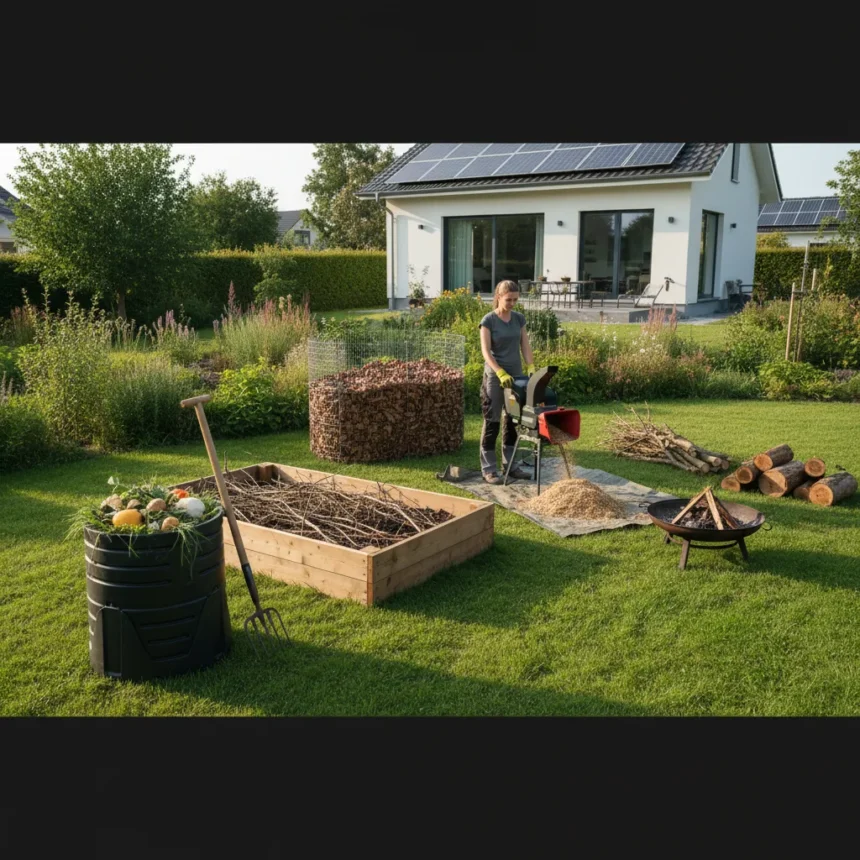
Home yard waste disposal is a challenge every gardener faces, yet most default to cramming leaves and branches into oversized bins. There are smarter, more sustainable ways to handle what your garden produces. Instead of waiting for collection day with an overflowing bin, consider five practical alternatives that turn yard waste into resources rather than refuse.
Key Takeaways
- Composting converts yard waste into nutrient-rich soil amendment for gardens
- Leaf mulch from fallen leaves improves soil structure and moisture retention
- Yard waste can be repurposed as animal bedding or garden pathways
- Home yard waste disposal methods reduce landfill contributions significantly
- Many alternatives require minimal investment or special equipment
Why Home Yard Waste Disposal Matters
Most households treat yard waste as garbage. Leaves, branches, grass clippings, and garden trimmings end up at the curb, destined for landfills where they decompose anaerobically and release methane. Home yard waste disposal done thoughtfully keeps organic material in your ecosystem, where it belongs. The stakes are straightforward: better soil, fewer trips to the bin, and less environmental impact. Your yard produces this material—why not use it?
Composting: The Foundation of Home Yard Waste Disposal
Composting is the most straightforward method for home yard waste disposal, transforming garden scraps into dark, crumbly humus that feeds your soil. You can build a simple bin from wooden pallets, buy a commercial tumbler, or simply pile material in a corner and let nature do the work. Composting takes seven easy steps: collect dry brown materials (leaves, straw), add green materials (grass clippings, vegetable scraps), maintain moisture like a wrung-out sponge, turn the pile regularly, monitor temperature as it heats, wait for decomposition to complete, and harvest finished compost when it resembles dark soil.
The timeline varies. A hot compost pile managed actively can finish in two months. A passive pile takes six to twelve months. Either way, you eliminate the need to haul yard waste to a disposal facility. The compost you produce costs nothing and improves your garden’s fertility year after year.


Mulching Fallen Leaves for Garden Health
Fallen leaves represent one of the easiest home yard waste disposal opportunities. Rather than bagging them, shred leaves with a mower and spread them directly on garden beds as mulch. This layer suppresses weeds, insulates soil, and breaks down over winter to enrich the earth. Leaves also protect perennials from frost damage and provide habitat for beneficial insects. You can test different tools to find what works best for your property—some people prefer a dedicated leaf shredder, others use a standard mower, and some simply rake and spread without shredding.
This method requires no bins, no trips to the curb, and no composting knowledge. It’s pure home yard waste disposal efficiency.


Creating Pathways and Borders with Yard Waste
Branches and woody prunings make excellent garden pathways and bed borders. Lay small branches side by side to create rustic edging, or chip larger wood to form mulch paths that suppress weeds while you walk. This approach keeps woody material on your property, reduces the volume in your home yard waste disposal routine, and adds visual structure to your garden. Some gardeners use wood chips from prunings as animal bedding or donate them to local stables—another form of reuse that keeps material out of landfills.
Frequently Asked Questions
Can I compost diseased plant material in my home yard waste disposal routine?
Most home composting systems don’t reach temperatures high enough to kill pathogens. If plants show signs of disease, it’s safer to dispose of them separately rather than risk spreading infection through your compost. Healthy plant material is always the better choice for composting.
What’s the difference between home yard waste disposal and municipal yard waste collection?
Municipal collection hauls material away to centralized facilities; home disposal keeps it on your property or directs it to local reuse. Home methods save you the effort of dragging bins to the curb and give you direct control over the material. They also reduce transportation emissions and landfill pressure.
How long does it take to see results from home yard waste disposal composting?
Finished compost typically appears within two to twelve months depending on your method and climate. Hot composting with regular turning produces results faster; passive piles take longer but require minimal effort. Either way, you’re building soil fertility while solving your disposal problem.



Home yard waste disposal doesn’t require a complicated system or special equipment. Composting, mulching, and creative reuse turn what would be trash into garden gold. Start with one method—composting or leaf mulch—and expand as you see the results. Your soil will thank you, and your bins will stay emptier.
Edited by the All Things Geek team.
Source: Tom's Guide