





The MacBook Ultra is Apple’s rumored next-generation flagship laptop, expected to launch in the fourth quarter of 2026 with an OLED display, touchscreen functionality, and M6-series chips, positioned above the current M5 Pro and M5 Max MacBook Pro models. Rather than replacing existing MacBook Pros, the Ultra would create a new premium tier within Apple’s laptop lineup, signaling a strategic expansion rather than a generational refresh.
Key Takeaways
- MacBook Ultra expected to launch Q4 2026 with OLED and touchscreen technology
- Powered by first-generation M6-series chips, sitting above M5 Pro and Max models
- M5 MacBook Pros remain on sale alongside the new Ultra model
- Thinner, lighter design compared to current MacBook Pro form factors
- Higher price point than existing MacBook Pro lineup
What the MacBook Ultra represents for Apple’s lineup
The MacBook Ultra marks a departure from Apple’s traditional MacBook Pro naming convention. According to analyst Mark Gurman, while Apple could retain the MacBook Pro branding, an Ultra designation would more clearly signal the device’s position at the top of the lineup. This positioning is crucial: the MacBook Ultra would sit above current M5 Pro and M5 Max MacBook Pro models, which are expected to remain on sale rather than being discontinued. This creates a three-tier structure instead of the current two-tier approach, allowing Apple to capture demand at different price points without cannibalizing existing sales.
The decision to expand rather than replace suggests Apple sees sufficient market demand for a premium tier beyond what the Pro line currently offers. The existing M5 MacBook Pros, released in March 2026, would continue selling at their current positions, giving customers choice across the lineup. This strategy mirrors Apple’s approach with iPad and iPhone, where multiple tiers coexist to serve different user needs and budgets.
MacBook Ultra design and display innovations
The MacBook Ultra is rumored to feature a thinner and lighter design compared to current MacBook Pro models, paired with Apple’s first OLED display in a MacBook. This represents a significant technical shift. OLED technology enables superior contrast, faster response times, and better power efficiency than the LCD panels currently used in MacBook Pros. The addition of touchscreen functionality would be another first for MacBooks, expanding input methods beyond the trackpad and keyboard.


Beyond the core display upgrade, the MacBook Ultra may incorporate design elements inspired by iPhone. Rumored features include a notch similar to the iPhone’s Dynamic Island and under-display sensors that could streamline the bezel design. These additions would modernize the MacBook’s industrial design while maintaining the minimalist aesthetic Apple has cultivated. A thinner profile without sacrificing performance would require careful engineering, particularly around thermal management for the M6 chips.
M6 chips and performance expectations
The MacBook Ultra will be powered by first-generation M6-series chips, marking the next evolution in Apple’s custom silicon roadmap. The M6 represents a generational leap from the M5 chips currently in the MacBook Pro lineup. However, specific performance metrics for the M6 have not been disclosed in available reports, so comparisons to the M5 Pro and M5 Max remain speculative at this stage.


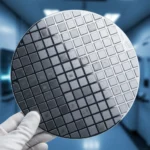
The M6’s positioning as the processor for Apple’s most premium laptop suggests it will prioritize performance and efficiency gains that justify the higher price point. Whether this translates to faster CPU cores, improved GPU capabilities, or enhanced machine learning accelerators remains unclear until official specifications emerge. The M6 will differentiate the MacBook Ultra not just through raw power but through features and capabilities that professional and creative users demand.
Pricing and market timing questions
The MacBook Ultra will command a higher price point than current MacBook Pros, though exact pricing remains unconfirmed. The Q4 2026 launch window aligns with Apple’s typical holiday season product releases, giving the company time to refine the design and manufacturing processes. One source speculates the device might not arrive until 2027, introducing some uncertainty around the exact timeline.
The premium pricing reflects the combination of new technologies—OLED, touchscreen, M6 chips—and the ultra-thin design. For creative professionals, video editors, and developers who represent MacBook Pro’s core audience, the additional cost may be justified by performance gains and the display quality upgrade. However, the price differential between a MacBook Ultra and the top-tier M5 Max model will determine whether this becomes a niche offering or a mainstream success.
How MacBook Ultra compares to current MacBook Pro
The MacBook Ultra sits distinctly above the M5 Pro and M5 Max MacBook Pros in Apple’s hierarchy, but the relationship is complementary rather than competitive. Current MacBook Pros use LCD displays and lack touchscreen functionality; the Ultra introduces both. The M6 chips powering the Ultra represent a generation ahead of the M5 silicon in existing models. Yet the M5 MacBook Pros will remain available, serving users who prioritize value or have sufficient performance with current-generation chips.


This tiered approach differs from past MacBook transitions, where new generations typically replaced older models within months. By keeping M5 Pros on the market, Apple creates flexibility in its pricing structure and extends the appeal of its professional laptop line to budget-conscious buyers. The MacBook Ultra becomes the aspirational choice, while M5 Pros serve as the practical alternative for those with tighter budgets.
Is the MacBook Ultra name confirmed?
The name MacBook Ultra is not officially confirmed by Apple; it comes from analyst reports and industry speculation. Mark Gurman, Bloomberg’s lead Apple analyst, has reported that the device could carry either the MacBook Ultra or MacBook Pro branding, with Ultra signaling its premium position. Until Apple makes an official announcement, the final name remains speculative, though Ultra has become the dominant term in industry coverage.
When will the MacBook Ultra launch?
The MacBook Ultra is expected to launch in the fourth quarter of 2026, most likely during Apple’s typical fall or holiday season announcement window. One source speculates a possible 2027 arrival, introducing some uncertainty. An official announcement from Apple would provide definitive timing, but the Q4 2026 target aligns with Apple’s product launch patterns and gives the company sufficient development time following the March 2026 M5 MacBook Pro release.
What display technology will the MacBook Ultra use?
The MacBook Ultra is rumored to feature an OLED display with touchscreen capability, both firsts for MacBooks. OLED technology delivers superior color accuracy, deeper blacks, and faster response times compared to the LCD panels in current MacBook Pros. Touchscreen functionality would enable new input methods, though the extent to which macOS supports touch interaction remains to be seen.
Apple’s shift to OLED in MacBooks follows successful implementations in iPad Pro and iPhone, technologies already refined through years of optimization. The combination of OLED and touch represents a meaningful modernization of the MacBook experience, particularly for creative professionals who could benefit from direct screen interaction in design and editing workflows.
The MacBook Ultra’s rumored late-2026 arrival marks Apple’s next major move in the premium laptop market. By expanding its lineup rather than replacing existing models, Apple signals confidence in a multi-tier strategy that serves diverse customer needs. The OLED display, touchscreen, and M6 chips position the Ultra as a flagship device for professionals willing to pay for latest technology. Until Apple confirms details, the rumors remain speculative, but the convergence of reports from credible analysts suggests the company is indeed preparing a significant evolution in its MacBook strategy.
Where to Buy
Apple MacBook Pro 16-inch M5 Pro (2026) | Apple MacBook Pro 14-inch M5 Max | Apple MacBook Pro 14-inch M5 (2025)
This article was written with AI assistance and editorially reviewed.
Source: T3