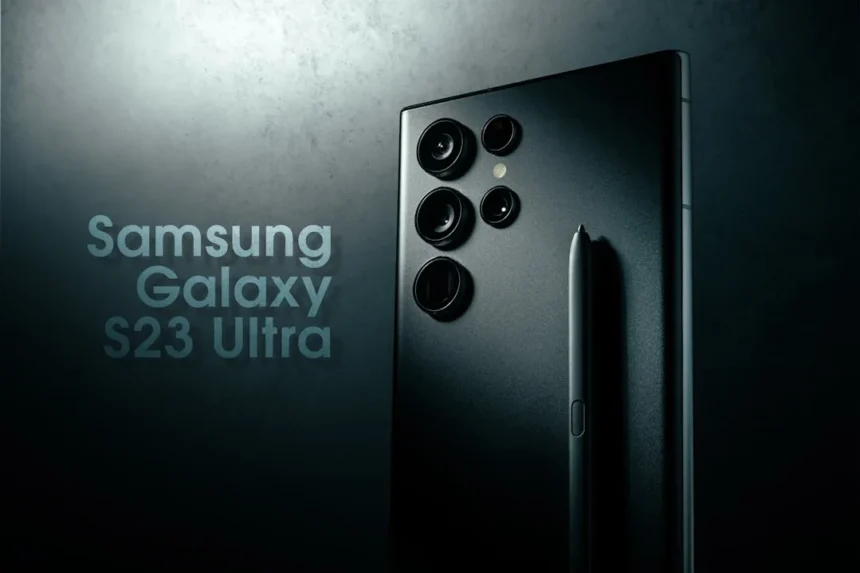
The Samsung Galaxy S27 Ultra is reportedly getting its most significant camera redesign in years, according to leaker renders that hint at a shift away from the triple-vertical layout that has defined Samsung’s flagship line. The concept shows a potential camera bar or island configuration, paired with a new 200MP main sensor and native Qi2 wireless charging support—features that could finally give the Ultra line momentum after the S26’s disappointing reception.
Key Takeaways
- Samsung Galaxy S27 Ultra concept shows camera bar redesign replacing years of triple-vertical orientation.
- New ISOCELL HP6 200MP sensor features LOFIC technology for improved dynamic range and detail in bright and dark areas.
- Native Qi2 wireless charging support enabled by redesigned camera layout, addressing protrusion issues.
- First major camera hardware upgrade since HP2 in recent Ultra models, signaling a potential comeback.
- Samsung may introduce a new Pro model tier with Ultra-level features but without the S Pen.
Why the Samsung Galaxy S27 Ultra redesign matters now
The S26 Ultra was widely regarded as a disappointment, marking over four years without a significant camera sensor upgrade in Samsung’s flagship Ultra lineup. Fans and critics alike felt Samsung had stalled, iterating on the same hardware while competitors pushed innovation forward. The S27 concept changes that narrative entirely. By moving away from the familiar triple-vertical camera arrangement, Samsung signals it is willing to break from its own design language—a risky but necessary move for a refresh that needs to justify an upgrade.
The redesign is not purely aesthetic. By altering the camera module’s footprint, Samsung engineers can integrate native Qi2 magnetic charging support, a feature absent from current Ultra models. Qi2 alignment magnets typically conflict with camera protrusions, so flattening or repositioning the camera island solves a real engineering constraint. This is the kind of thoughtful problem-solving that flagship buyers notice.
The Samsung Galaxy S27 Ultra sensor upgrade explained
The rumored ISOCELL HP6 200MP sensor represents the first major camera hardware refresh in years, moving from the HP2 that has powered recent Ultras. The HP6 uses a larger 1/1.12-inch sensor size and introduces LOFIC (lateral overflow integration capacitor) technology, which allows each pixel to store excess light in an overflow tank rather than losing it. In practical terms, this means better detail and color accuracy in both highlight-heavy and shadow-heavy scenes simultaneously—a problem that has plagued smartphone photography since the beginning.


LOFIC is a technical leap forward. Traditional sensors struggle with dynamic range because a pixel either captures bright areas cleanly or preserves shadow detail, but rarely both. By giving pixels an overflow mechanism, the HP6 captures more tonal information across the frame. For users shooting mixed-lighting scenes—a sunset with dark foreground, a backlit portrait, a landscape with bright sky—this translates to fewer blown-out skies and crushed shadows without aggressive post-processing.
Samsung is also rumored to be pairing the S27 Ultra with the Qualcomm Snapdragon 8 Elite Gen 6 Pro processor on a 2nm process, promising a significant performance leap. Faster processing means quicker computational photography, faster burst modes, and snappier video stabilization. The sensor and processor working together create a more cohesive upgrade story than either alone.



The Samsung Galaxy S27 Ultra camera bar design divides opinion
Fan reaction to the concept renders has been mixed. Some welcome the change as a breath of fresh air after years of visual repetition. Others prefer the classic triple-vertical aesthetic and worry that Samsung is chasing trends rather than leading them. This division is healthy—it means the redesign is genuinely different, not a minor tweak that everyone accepts by default.
The camera bar approach draws parallels to other recent flagship designs, but Samsung’s execution will determine whether it feels like innovation or imitation. If the bar integrates smoothly with the phone‘s overall silhouette and improves grip or stability, it justifies the change. If it feels forced or creates new usability issues, fans will rightly criticize it. The renders are concept art, not final production designs, so the real test comes when the actual device launches.
Will Samsung introduce a Galaxy S27 Pro model?
One intriguing rumor suggests Samsung may add a new Pro tier to the S27 lineup, positioned between the standard S27 and the Ultra. This Pro variant would reportedly offer Ultra-level features and performance but without the S Pen stylus, creating a second premium option for buyers who want flagship power without committing to the stylus ecosystem. If true, this expands Samsung’s premium portfolio and gives more customers a reason to upgrade within the flagship tier rather than settling for a mid-range device.
How does the Samsung Galaxy S27 Ultra compare to the S26?
The S26 Ultra brought minimal innovation—no new sensor, no major processor leap, just incremental refinements that felt more like a maintenance release than a genuine upgrade. The S27 concept flips that script. A new 200MP sensor with LOFIC, a redesigned camera module, native Qi2 support, and a next-generation processor represent the kind of multi-dimensional upgrade that justifies the flagship price tag. The S26 was criticized for feeling like a placeholder; the S27 concept promises actual reasons to upgrade.



Is the Samsung Galaxy S27 Ultra camera redesign confirmed?
No. These are early concept renders from a leaker, not official Samsung announcements. Leaks are valuable for setting expectations, but they are not guarantees. Samsung could refine the design further, delay the rollout, or even cancel the redesign if market research suggests the classic triple-vertical layout performs better with consumers. Treat these renders as a strong signal of Samsung’s direction, not a final blueprint.
Will the Samsung Galaxy S27 Ultra have Qi2 charging?
According to leaks, native Qi2 support is tied to the camera redesign. The new camera bar layout creates the physical space needed for Qi2 magnets without compromising the camera module. However, this is not yet confirmed by Samsung. If the redesign sticks, Qi2 should follow; if the final design reverts to a more traditional layout, Qi2 support may not make the cut.
When will the Samsung Galaxy S27 Ultra launch?
Samsung has not announced a release date. Leaks and concept renders typically surface 6-12 months before a flagship launch, so the S27 Ultra is likely still in active development. Samsung’s historical pattern suggests a 2026 announcement is plausible, but that is educated speculation, not confirmed information. Check Samsung’s official channels for any announcements.
The Samsung Galaxy S27 Ultra redesign signals that Samsung is ready to move past the S26’s stagnation. A new camera sensor with real-world benefits, a fresh design language, and native Qi2 support address the complaints that made the S26 feel like a missed opportunity. Whether the final product delivers on the promise of these early leaks will determine whether the S27 Ultra becomes a comeback story or another incremental step. For now, the concept alone is enough to make flagship buyers hopeful that Samsung is listening.
Edited by the All Things Geek team.
Source: Tom's Guide