





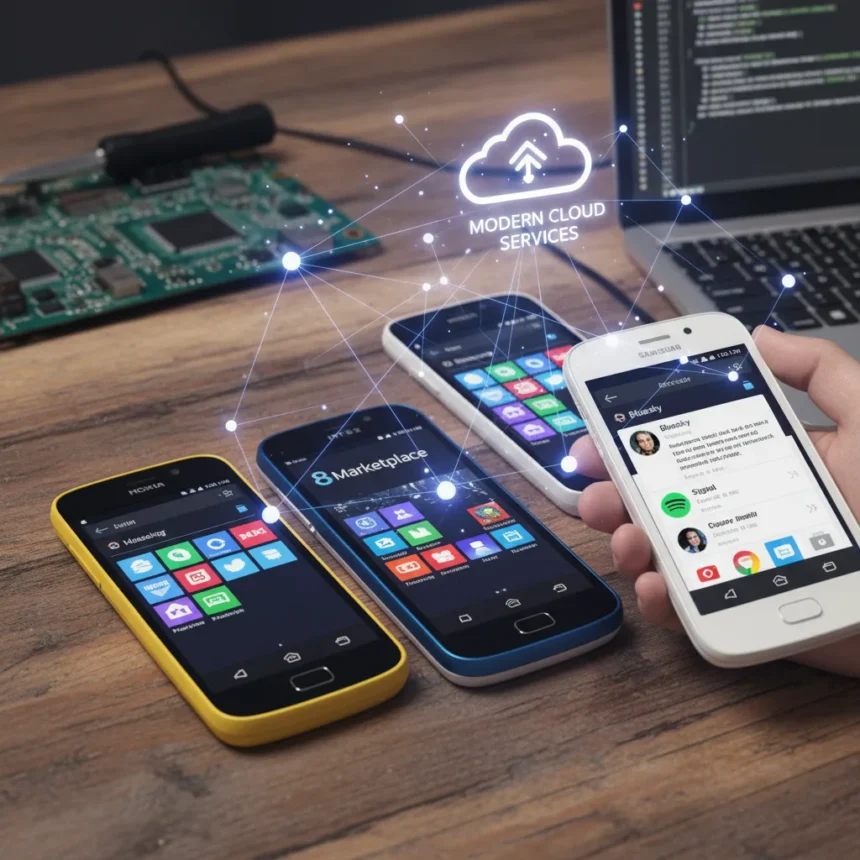
Windows Phone 8 revival projects are unexpectedly breathing life back into Microsoft’s discontinued mobile platform in 2025, with community-driven tools like 8Marketplace restoring app store functionality and enabling connections to modern services like Bluesky on devices long abandoned by the company.
Key Takeaways
- 8Marketplace restores Windows Store functionality on Windows Phone 8.1, allowing third-party app installations on unsupported devices.
- Windows Phone 7 launched in 2010 and was discontinued in 2014, but community projects are reviving it for usability in 2025.
- 7Marketplace revives the Windows Phone 7 app store using Windows Phone SDK 7.1 and Xap Deployer for legacy .xap file deployment.
- Patched apps like Twitter enable Windows Phone 8 devices to connect to modern social platforms including Bluesky.
- All revival projects are free, open-source community tools available via GitHub, Telegram, and YouTube with no official Microsoft endorsement.
How Windows Phone 8 Revival Projects Work
The Windows Phone 8 revival hinges on community-built app stores that mimic the functionality of Microsoft’s original Windows Store. 8Marketplace and its Windows Phone 8.1 counterpart 8Store restore the ability to download and install third-party modern (Metro) apps on devices that Microsoft abandoned years ago. These projects work by replicating the original store infrastructure, allowing users to browse and deploy applications that would otherwise be inaccessible. The technical architecture remains largely faithful to how the original Windows Store operated, making the transition intuitive for anyone who used these phones during their commercial lifespan.
For Windows Phone 7 users, the revival process is more involved. 7Marketplace requires the Windows Phone SDK 7.1—not the Microsoft version—along with Xap Deployer WP7 and the 7Marketplace .xap files themselves. Users must connect their Windows Phone 7 device, launch the SDK’s Application Deployment tool, and deploy the .xap files to the device. Once installed, 7Marketplace appears in the Start menu, enabling app cycling and installations. The process demands technical proficiency and access to legacy development tools, positioning it firmly in enthusiast territory rather than mainstream recovery.
Connecting Windows Phone 8 to Modern Services
One of the most compelling reasons to revive Windows Phone 8 is the ability to access modern social platforms. Patched apps—particularly a modified Twitter client—enable Windows Phone 8 devices to connect to contemporary services like Bluesky, bridging a decade-long gap between the phone’s original ecosystem and today’s internet. This is not a matter of running current, official apps; it is about community developers patching older clients to work with new API standards. The result is functional, if not always elegant, access to platforms that would otherwise remain completely unavailable on these devices.

Beyond social networking, complementary projects like ReLiveWP focus on reviving Windows Live services specifically for Windows Phone 7 and 8. These efforts collectively transform Windows Phone 8 from a completely disconnected artifact into a device capable of basic modern connectivity. The appeal is obvious: users with sentimental attachments to these phones, or those interested in retro mobile computing, can now actually use their devices rather than simply displaying them.
Why Windows Phone 8 Revival Matters in 2025
Microsoft officially advises users to upgrade from Windows Phone 8.1, which has reached end of support. Yet the revival movement persists, driven by a combination of nostalgia, sustainability concerns, and the simple fact that these devices still function as hardware. By restoring app store access and patching connectivity, community projects prevent perfectly good phones from becoming electronic waste while enabling a niche but genuine user base to keep their devices operational.



The contrast with mainstream mobile platforms is striking. While iOS and Android users receive years of official support and regular updates, Windows Phone users must rely on volunteer developers and GitHub repositories to maintain basic functionality. This disparity highlights both the permanence of Microsoft’s abandonment and the resilience of the enthusiast community willing to fill the void. The revival is not a sign that Windows Phone was ahead of its time—it was not—but rather evidence that even failed platforms can find a second life if enough people care enough to build the tools.
Is Windows Phone 8 revival secure and stable?
Community revival projects carry inherent risks that official Microsoft support would eliminate. Windows Phone 8.1 has reached end of support, meaning no security patches are issued for newly discovered vulnerabilities. Patched apps and third-party app stores, while functional, lack the rigorous testing and security audits that official releases receive. Users should understand that reviving these devices prioritizes functionality and nostalgia over security assurance.
Can I install modern apps on Windows Phone 8?
Not modern apps in the contemporary sense. 8Marketplace and 7Marketplace restore the ability to install legacy Metro apps originally built for Windows Phone 8.1 and 7, respectively. These are not current applications from Google Play or the Apple App Store—they are older, often abandoned apps that developers patched to work with legacy infrastructure. Expectations should align with the age and maintenance status of the software.
What hardware do I need to revive Windows Phone 8?
You need the Windows Phone device itself, a Windows PC with the Windows Phone SDK 7.1 installed, and access to the revival project files (typically distributed via Telegram groups and GitHub repositories). The process is not plug-and-play; it requires technical knowledge, patience, and acceptance that you are operating outside of any official support channel. For Windows Phone 7 specifically, the Telegram group t.me/W7Mobile distributes the necessary SDK, Xap Deployer, and marketplace files.



The Windows Phone 8 revival movement proves that community determination can resurrect even the most thoroughly discontinued platforms. These projects will never achieve mainstream adoption, nor will they convince anyone to abandon modern phones. But for the small group of users who want their Windows Phone 8 devices to function in 2025, 8Marketplace and patched apps offer a genuine second life—one that Microsoft itself will never provide.
This article was written with AI assistance and editorially reviewed.
Source: Windows Central