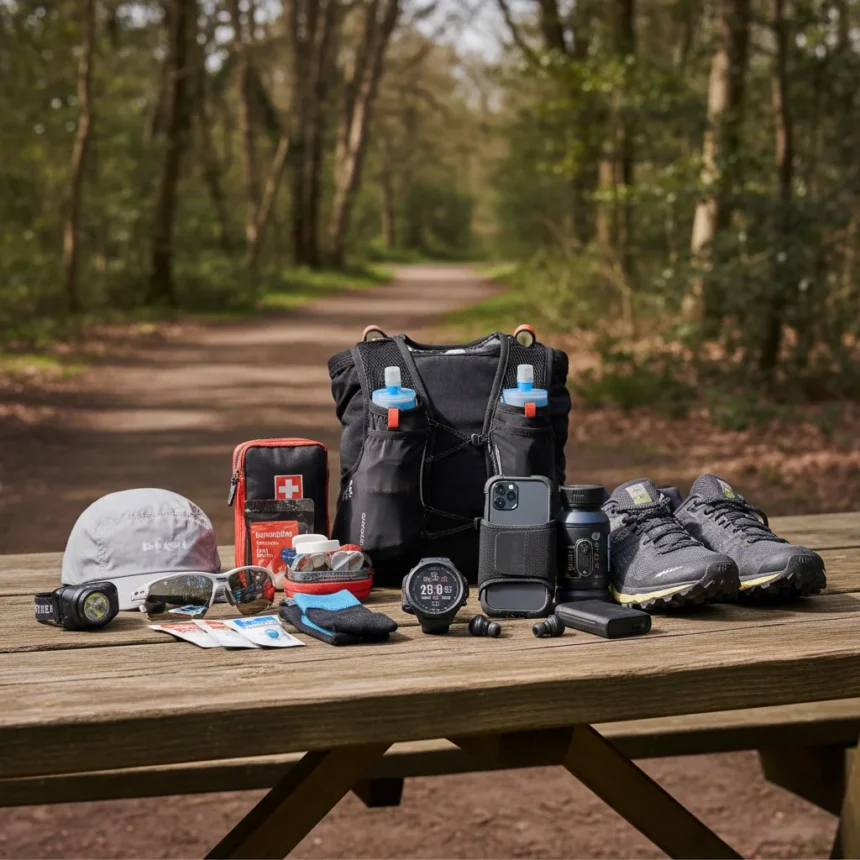
A long-run survival kit is the collection of gear and technology a distance runner needs to stay safe, comfortable, and connected during extended training sessions. A running coach recently shared their curated selection of essentials designed to handle every scenario from extreme weather to navigation challenges during long-distance runs.
Key Takeaways
- A complete long-run survival kit includes watches, vests, phones, and weather-resistant gear.
- Running coaches recommend multi-functional tech that tracks performance and provides safety features.
- Proper gear selection depends on distance, terrain, and expected weather conditions.
- Visibility and communication devices are critical safety components for long runs.
- Quality vests and carrying solutions distribute weight evenly during extended training.
Why Your Long-Run Survival Kit Matters
Distance running exposes athletes to unpredictable conditions, navigation challenges, and the need for real-time performance tracking. A thoughtfully assembled long-run survival kit addresses these demands by combining wearable technology, protective gear, and practical carrying solutions. Without proper equipment, runners risk dehydration, disorientation, poor visibility, and inability to call for help if needed. The difference between a comfortable long run and a dangerous one often comes down to whether you have the right gear at the right moment.
Running coaches emphasize that a long-run survival kit is not about carrying excessive weight or unnecessary gadgets. Instead, it focuses on multi-functional items that serve specific purposes. A running watch does more than track distance—it provides navigation, heart-rate monitoring, and emergency contact capabilities. A vest offers not just visibility but also storage for hydration and nutrition. Each piece of gear in a well-designed long-run survival kit earns its place through versatility and reliability.
Essential Watches for Long-Run Tracking
Running watches form the technological backbone of any long-run survival kit, providing GPS navigation, performance metrics, and emergency communication features. A quality running watch should offer multi-day battery life, waterproofing for variable weather, and intuitive interfaces that work even when your hands are cold or wet. The best options for long-run training include models with offline maps, which allow you to navigate unfamiliar routes without constant cellular connection.


Beyond basic distance and pace tracking, advanced running watches now include features like incident detection and emergency SOS capabilities. These safety functions can alert emergency contacts if you fall or become injured during a remote run. Battery longevity is crucial for long runs—watches that require daily charging become liabilities on extended training days. Look for models that balance feature richness with practical battery endurance, ensuring your watch stays powered throughout your entire session.
Visibility and Safety Vests
A high-visibility vest is non-negotiable in any long-run survival kit, particularly for early morning or evening training when motorists struggle to see runners. Beyond reflective strips, modern running vests incorporate storage pockets for keys, gels, and small phones, distributing weight across your torso rather than creating drag from handheld carrying. The best vests use lightweight, breathable materials that do not trap sweat or restrict arm movement.



Safety vests also serve a secondary function as emergency identification—many include pockets for ID cards or emergency contact information. Bright colors combined with reflective elements ensure visibility from multiple angles and distances. For long runs in unfamiliar areas or low-light conditions, a vest transforms you from a potential hazard on the roadway into a clearly visible athlete that drivers can anticipate and avoid.
Phone Carrying Solutions for Long Runs
Choosing the right phone for your long-run survival kit depends on distance and terrain. Compact smartphones designed for fitness use offer GPS, emergency calling, and music playback without the weight and bulk of full-sized devices. Arm bands, waistband carriers, and vest-mounted solutions each offer different advantages—arm bands provide quick access but can cause chafing, while vest pockets distribute weight more evenly.
Your phone becomes a critical safety tool during long runs, enabling you to call for help, access offline maps, and share your location with emergency contacts. Waterproofing and durability matter significantly, as sweat, rain, and accidental drops are inevitable over extended distances. Consider phones with longer battery life and offline functionality, reducing your dependence on cellular coverage in remote areas where signal may be unreliable.
Weather-Resistant Gear and Layering
A comprehensive long-run survival kit adapts to unpredictable weather by including lightweight, packable layers that protect against wind and rain without adding excessive bulk. Moisture-wicking base layers prevent chafing and maintain core temperature regulation. Outer shells should be compact enough to tie around your waist or store in a vest pocket when not needed, allowing you to adjust to temperature changes without stopping your run.


Extreme weather presents the greatest challenge to long-run comfort and safety. Windproof jackets, thermal tights, and gloves designed for runners maintain mobility while protecting against cold. For hot conditions, lightweight, breathable shirts with UV protection prevent sunburn and heat stress. The key to effective layering is choosing materials that dry quickly and do not absorb sweat, keeping you dry and warm regardless of conditions.
Hydration and Nutrition Carrying Systems
Long-run success depends on reliable hydration and nutrition strategies, making carrying solutions for water, electrolyte drinks, and energy gels essential components of your survival kit. Hydration vests with integrated bladders or bottle pockets distribute weight evenly and keep hands free. Gel flasks, energy bars, and salt tablets should be organized in vest pockets or arm-mounted carriers for quick access without breaking stride.
The weight and placement of hydration systems significantly affect running efficiency and comfort. Vests designed specifically for trail or distance running position bottles low and centered to minimize bounce and shift. Lightweight bottles and compact nutrition packaging reduce overall load while ensuring you have adequate fuel and fluids for your planned distance. Experienced runners test their carrying systems during shorter training runs before attempting long runs, identifying potential chafing points or stability issues.
Navigation and Communication Tools
Beyond your watch and phone, a long-run survival kit may include backup navigation tools like lightweight GPS devices or offline map apps loaded on your phone. Whistle-based communication devices provide a low-tech emergency signaling option that requires no battery and works in areas with no cellular coverage. Some runners include small laminated cards with emergency contacts and medical information, tucked into vest pockets where rescuers can quickly find them.
Digital navigation has largely replaced paper maps for most runners, but understanding your route before departure remains critical. Pre-loading maps into your watch and phone ensures you can navigate even if one device fails. For truly remote long runs, consider satellite communication devices or personal locator beacons that transmit your position to emergency services without relying on cellular networks.
FAQ: Long-Run Survival Kit Questions
What should every runner include in a long-run survival kit?
Every long-run survival kit should include a GPS watch with battery life matching your planned distance, a high-visibility vest with storage, a phone with offline maps and emergency contacts programmed, weather-appropriate clothing layers, hydration and nutrition supplies, and some form of emergency identification. The specific items depend on your route, distance, and expected conditions.
How much weight should a long-run survival kit add?
A well-designed long-run survival kit should add less than 10-15 percent of your body weight, distributed evenly across your torso through a vest or harness system. Excess weight creates drag and fatigue, negating the benefits of proper gear. Choose lightweight, multi-functional items and avoid carrying items you will not actually use during your run.
Can I use my regular phone for long runs?
Standard smartphones work for long runs if you have a secure carrying solution and reliable battery life. However, purpose-built running phones or smartwatches often provide better integration with running apps, longer battery endurance, and more durable construction. Consider your phone’s water resistance, weight, and how you plan to carry it before relying on it for long-distance training.
Building a long-run survival kit is an investment in both your performance and your safety. The right gear transforms long runs from stressful endurance tests into manageable, enjoyable training sessions. Start with the essentials—a reliable watch, visible vest, and communication device—then add specialized items based on your specific routes and conditions. Your kit will evolve as you discover what works best for your running style and environment.
Where to Buy
32% OFFSaucony Ride 18$98.11$145shop now | Hilly Marathon Fresh anklet socks$21.95shop now | GarminFenix 7 Pro 47mm$899.99shop now | CamelBakWomen’s Ultra Pro vest$96.40shop now
Edited by the All Things Geek team.
Source: TechRadar