The PS Portal streaming experience reveals both the promise and pitfalls of Sony’s handheld streaming device. After replaying a personal all-time favorite game on the device, the real-world strengths and weaknesses of remote play become clear—and they don’t always align with what marketing suggests.
Key Takeaways
- PS Portal excels at delivering console-quality games to a portable screen with genuine convenience benefits
- Network stability and latency remain critical pain points that can undermine the streaming experience
- The device’s interface and feature set have clear gaps compared to what players expect from a dedicated handheld
- Best suited for players with stable home networks replaying familiar titles rather than competitive or latency-sensitive games
- Real-world performance depends heavily on Wi-Fi quality and distance from the PS5 console
What PS Portal Streaming Gets Right
The PS Portal streaming experience shines when it focuses on what it does best: extending your PlayStation 5 experience beyond the living room. Playing a beloved favorite game on the handheld reveals immediate advantages that matter in daily use. The screen delivers console-quality visuals in a portable form, and the controller integration feels natural because it’s the same ecosystem you already know.
Convenience emerges as the real winner here. Instead of being tethered to a TV, you can play your favorite titles from anywhere in your home. For players replaying games they already know and love, this flexibility transforms how they engage with their library. There’s no learning curve, no new interface to master—just your game, now portable. The streaming quality holds up well when network conditions cooperate, delivering a surprisingly smooth experience that makes you forget you’re playing remotely.
The device also respects your existing game library. You’re not buying new versions or waiting for ports. Your PS5 games stream directly, which eliminates the friction of platform fragmentation. For someone reconnecting with an all-time favorite, that seamless access is genuinely valuable.

Where PS Portal Streaming Falls Short
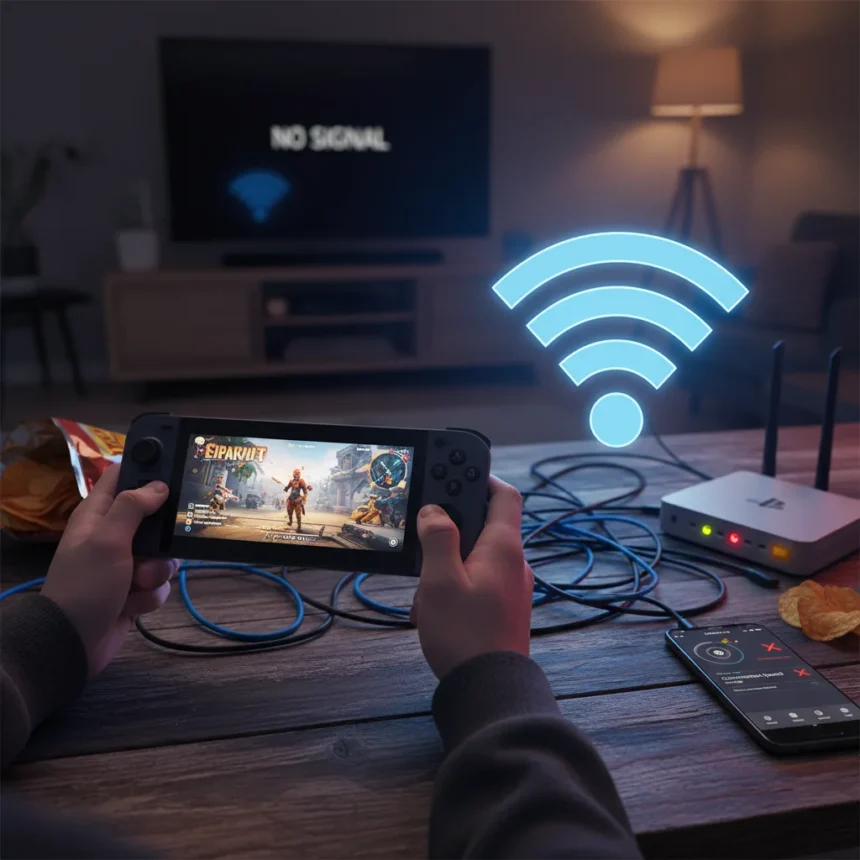
Network dependency exposes the device’s fundamental weakness. The PS Portal streaming experience demands stable Wi-Fi connectivity, and any fluctuation in signal strength creates noticeable lag and compression artifacts. Unlike a dedicated handheld with local processing, everything depends on your home network’s quality and your distance from the console. Players sitting far from their router or in homes with Wi-Fi dead zones will notice stuttering and latency that makes certain game genres unplayable.
The interface and feature limitations also become apparent during extended play. The device feels like a streaming terminal rather than a fully-featured handheld. Missing features that players expect from a dedicated portable—like built-in game storage, offline play options, or expanded app support—make it feel incomplete. You’re essentially using a remote control with a screen, not an independent gaming device.
Battery life and thermal management present practical frustrations too. Extended gaming sessions drain the battery faster than you’d expect, and the device generates noticeable heat during sustained streaming. These aren’t deal-breakers for casual play, but they limit how long you can comfortably use the PS Portal without returning to your console or finding a charger.
PS Portal vs. Dedicated Handheld Gaming
The PS Portal occupies an awkward middle ground between a streaming accessory and a true portable console. Compared to dedicated handhelds that run games locally, the PS Portal trades processing power and independence for ecosystem integration. You get your PS5 library anywhere in your home, but you sacrifice the portability of a device that works in coffee shops, on flights, or anywhere without your console nearby.
For players who want to replay favorites within their home network, this trade-off makes sense. For those expecting a Nintendo Switch-like experience that works anywhere, the PS Portal streaming experience falls short. The device is best understood as a convenience tool for a specific use case: extending your PS5 gaming to other rooms, not as a replacement for traditional handheld gaming or as a way to play PlayStation games outside your home.
Should You Buy the PS Portal?
The PS Portal streaming experience works best for PS5 owners with stable home networks who want to replay existing games on a portable screen. If you have a strong Wi-Fi setup and primarily game in your home, the convenience justifies the investment. If you’re hoping for a device that lets you play competitively online, play latency-sensitive games, or game away from home, manage your expectations. The device excels at one specific thing—convenient local streaming—and struggles everywhere else.

Does PS Portal streaming work on Wi-Fi networks outside your home?
The PS Portal is designed primarily for local streaming within your home network. Remote play over the internet is technically possible but requires manual setup and typically delivers worse performance due to internet latency. For reliable streaming, you need to be on the same Wi-Fi network as your PS5 console or very close to your router.
What games work best on the PS Portal streaming experience?
Turn-based games, story-driven titles, and single-player adventures perform best on PS Portal because they tolerate slight latency without penalty. Fast-paced competitive games and anything requiring split-second timing become frustrating when network lag is present. Replaying familiar favorites works better than trying new games where you need instant response feedback.
Can you use PS Portal streaming for the PS5’s entire game library?
The PS Portal streams PS5 games, so any title in your PS5 library is technically playable. However, not every game is equally suitable for streaming. Games demanding low latency or requiring precise timing perform worse than others. Your actual experience depends on network conditions, game type, and how forgiving the title is to input delay.
The PS Portal streaming experience delivers real value for a specific audience: PS5 owners who want convenient portable access within their home and have reliable Wi-Fi. Sony built a device that solves one problem elegantly but doesn’t pretend to be something it’s not. If that problem matches your needs, the PS Portal makes sense. If you’re seeking a true portable gaming device that works anywhere, look elsewhere.
Where to Buy
Edited by the All Things Geek team.
Source: TechRadar