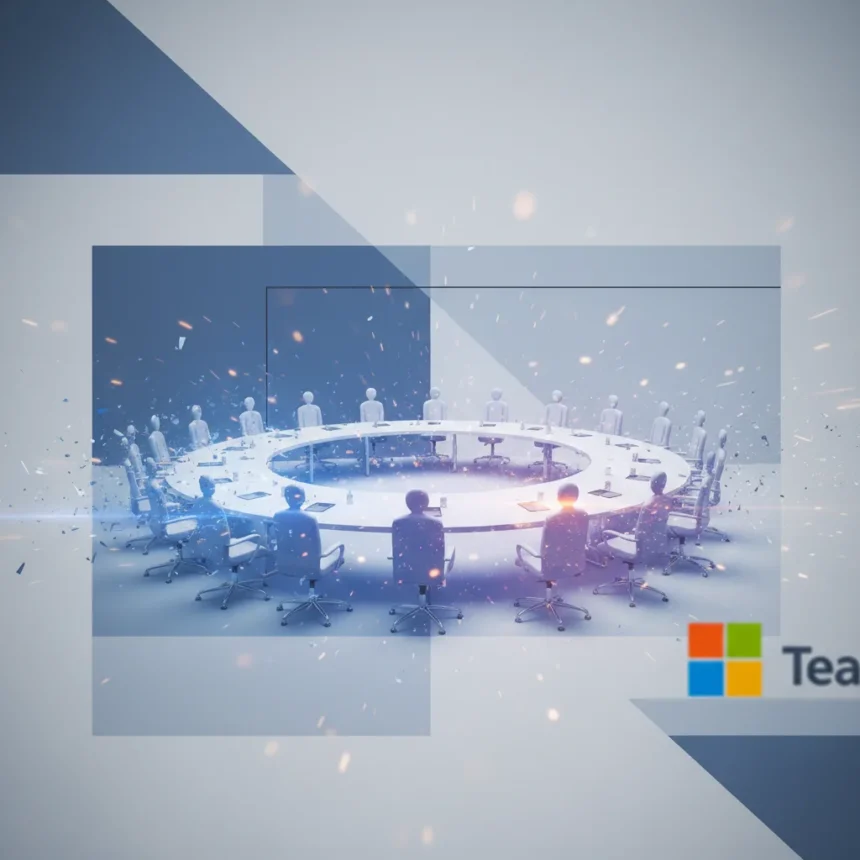
Microsoft Teams Together mode is getting axed. After years of positioning the feature as a centerpiece of its pandemic-era remote-work strategy, Microsoft is ditching the stylized virtual room views that once seemed like the future of video conferencing. The shift signals a hard pivot away from lockdown nostalgia toward cleaner, more functional meeting layouts.
Key Takeaways
- Microsoft Teams is retiring Together mode, a signature lockdown-era feature that created shared virtual spaces.
- The company is moving toward simplified meeting layouts instead of stylized room visuals.
- This reflects a broader industry reset as remote-work tools mature beyond pandemic-specific gimmicks.
- Together mode was designed to make distributed teams feel like they were in the same room, but that appeal has faded.
- The change prioritizes functional simplicity over immersive aesthetics in how Teams displays video calls.
Why Microsoft Teams Together mode is becoming obsolete
Together mode was always a pandemic product, born from a specific moment when offices were empty and remote work felt temporary. The feature created a shared virtual environment where participants appeared seated in the same digital room, designed to combat the psychological fatigue of endless grid-view video calls. It looked futuristic. It felt innovative. It was also deeply tied to an era nobody wants to relive. Now that hybrid work is the norm and remote fatigue has become background noise, Microsoft is recognizing that stylized virtual rooms no longer justify the engineering overhead. The company is consolidating around simplified meeting layouts that prioritize clarity and functionality over the illusion of proximity.
The decision to retire Microsoft Teams Together mode reflects a maturation in how organizations think about remote collaboration. The novelty has worn off. Employees no longer need gimmicks to feel connected—they need meetings that work reliably, load fast, and don’t require special rendering on older hardware. Simplified layouts deliver that. They also reduce the cognitive load of video calls by removing visual distractions and focusing attention on content and faces. For Microsoft, this is a pragmatic reset: invest engineering resources in features that users actually want, not in pandemic-era relics that made sense for a few months in 2020.
What Microsoft Teams Together mode removal means for users
The retirement of Microsoft Teams Together mode will be most noticeable for teams that relied on it as a psychological anchor during lockdowns. Those organizations will need to adjust to standard meeting layouts, which are cleaner but less immersive. For most users, the change will be invisible—they either never used Together mode or abandoned it years ago when they realized that a shared virtual room does not actually make asynchronous distributed teams feel more connected. The real impact is on Microsoft’s product roadmap: the company is signaling that it is done chasing pandemic-specific features and is instead focusing on core meeting functionality like reliability, accessibility, and integration with enterprise tools.


Simplified meeting layouts also have a practical advantage: they work better across devices and network conditions. Virtual room rendering required more processing power and bandwidth, which created friction for users on older hardware or unstable connections. By moving away from Together mode, Microsoft Teams can deliver a more consistent experience across the board. This is the kind of unglamorous engineering work that matters more than flashy features, especially in enterprise software where downtime costs money and complexity creates support headaches.
How this fits Microsoft Teams’ broader product evolution
The removal of Microsoft Teams Together mode is part of a larger pattern: the company is consolidating its meeting platform around what actually works in practice, not what sounded good in a product roadmap meeting during the pandemic. Teams has added features like live captions, spatial audio, and better screen-sharing controls—all things that improve the actual experience of a video call. Together mode, by contrast, solved a problem that no longer exists. The psychological boost of a shared virtual room was real in 2020, when offices were terrifying and Zoom fatigue was a genuine mental-health crisis. In 2025, that problem has been replaced by different ones: calendar bloat, meeting overload, and the simple exhaustion of distributed work. Microsoft is right to move on.



This shift also reflects competitive reality. Zoom, Google Meet, and other platforms never invested heavily in virtual room aesthetics. They focused on stability, features, and integration. By retiring Together mode, Microsoft Teams is admitting that it chased a dead end while competitors were building things users actually needed. It is a humbling move, but a necessary one. The company is essentially saying: we tried the futuristic virtual-room thing, it did not stick, and we are going back to fundamentals.
Is Microsoft Teams Together mode already gone?
The retirement of Microsoft Teams Together mode is underway, though the exact timeline for full removal across all clients and regions has not been publicly detailed in the available information. Microsoft typically phases out legacy features gradually, moving them to preview channels first, then rolling them out to general availability over weeks or months. Users should expect Together mode to become harder to find in their Teams interface, followed by eventual removal. If your organization depends on Together mode for specific workflows, now is the time to plan a transition to standard layouts before the feature disappears entirely.
What should teams do instead of Together mode?
Organizations that relied on Together mode for meeting aesthetics have straightforward alternatives. Simplified meeting layouts in Microsoft Teams are more than adequate for standard video calls. For teams that valued the psychological benefit of a shared space, the better solution is to invest in actual in-person gatherings or hybrid events where people can be in the same room. Virtual room aesthetics cannot replicate that experience, and pretending they can wastes engineering effort. Focus instead on using Teams’ core features well: clear agendas, screen sharing, live captions, and intentional facilitation. Those things matter far more than the visual treatment of the meeting interface.
Will Together mode return in a different form?
It is unlikely that Microsoft Teams Together mode will return as a mainstream feature. The company’s decision to retire it reflects a strategic choice to move away from pandemic-era gimmicks entirely. However, Microsoft could theoretically bring back virtual-room aesthetics as an optional, premium add-on or as part of a specialized immersive-meeting product for specific use cases like virtual events. For now, though, the focus is on simplification. The days of shared digital rooms as a default meeting experience are over.



The removal of Microsoft Teams Together mode marks the official end of an era. Pandemic-era remote-work features are finally being retired, replaced by tools that solve the actual problems of distributed work in 2025. Together mode was a creative attempt to solve loneliness and disconnection through visual design. It did not work, and Microsoft knows it. The company is moving forward with a cleaner, more functional vision of what Teams should be. For users, that means fewer gimmicks and more focus on what meetings actually need to accomplish.
Edited by the All Things Geek team.
Source: TechRadar