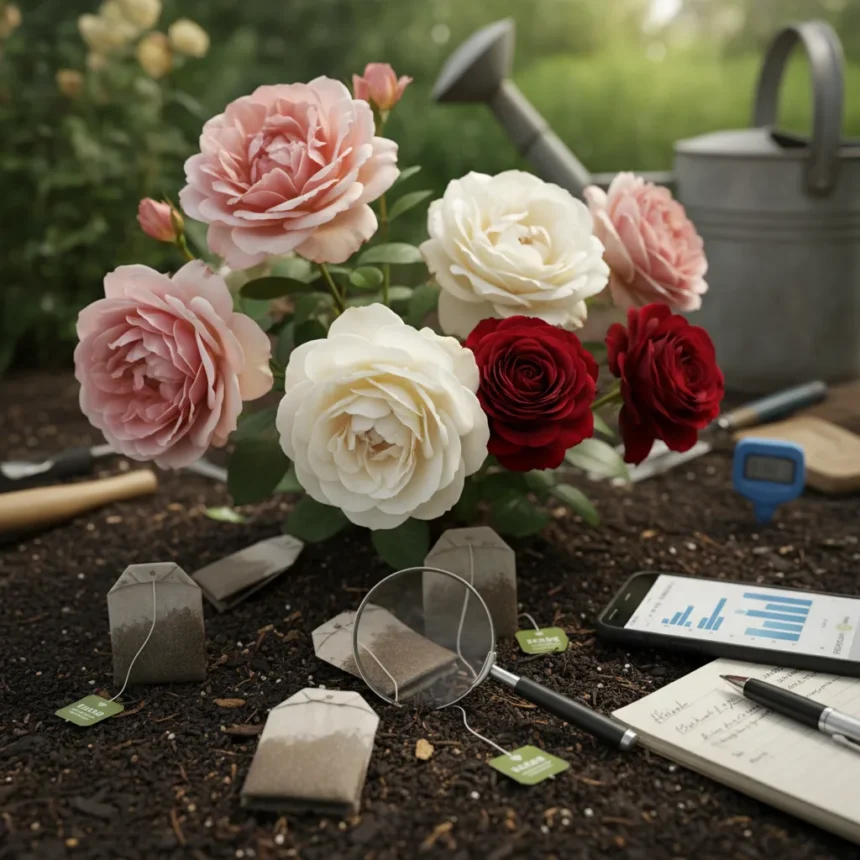
Tea bags for roses is one of those viral gardening tips that sounds almost too good to be true—and that suspicion is worth examining. The hack suggests that used tea bags, something most households throw away, can help roses thrive when placed in garden soil. It’s cheap, it’s sustainable, and it requires zero special equipment. But does it actually deliver on the promise, or is it just another piece of garden folklore dressed up as a budget hack?
Key Takeaways
- Tea bags for roses is marketed as a low-cost, sustainable gardening solution using household waste.
- The hack relies on reusing already-brewed tea bags rather than purchasing new gardening products.
- Effectiveness claims lack rigorous scientific backing in the source material.
- The appeal lies in sustainability and zero additional cost to gardeners.
- Practical application methods and timing remain unspecified in available sources.
What the Tea Bags for Roses Hack Claims to Do
The premise is straightforward: used tea bags contain nutrients and organic matter that allegedly benefit rose growth. Proponents suggest burying or placing spent tea bags around rose plants to improve soil quality and provide a slow-release nutrient source. The hack is framed as an excuse to drink more tea while simultaneously improving your garden—a win-win scenario that appeals to budget-conscious and environmentally minded gardeners.
The appeal is undeniable. You get to enjoy your tea, then redirect the waste into something useful rather than sending it to the landfill. No special fertilizers to buy, no complicated application process, just old tea bags and soil. For gardeners already skeptical of expensive commercial products, this approach feels refreshingly simple.
Why This Hack Needs Real Scrutiny
Here’s where the narrative breaks down. The source material promoting this hack provides no scientific evidence, no controlled trials, and no specific claims about which tea types work best or how much nutrient benefit actually transfers to the soil. That’s a red flag. Gardening advice without measurable backing is just speculation dressed up as wisdom.


Tea does contain trace minerals and tannins, which is where the logic originates. But logic and proven effectiveness are different things. A single tea bag contains minimal nutrients compared to what a mature rose actually requires. The question becomes: does this minimal nutrient contribution meaningfully improve rose growth, or does it simply make gardeners feel productive while they’re actually doing very little?
Without specifics on application frequency, placement depth, timing, or which rose varieties might respond best, the hack remains vague enough to be unfalsifiable. If your roses thrive, you credit the tea bags. If they struggle, you assume you didn’t use enough tea bags or the wrong type. That’s not a gardening strategy—that’s confirmation bias.



Tea Bags Versus Traditional Rose Care Methods
Roses are heavy feeders that benefit from consistent nitrogen, phosphorus, and potassium—the NPK ratio that appears on fertilizer packages. They also need proper drainage, adequate sunlight, and protection from pests and disease. A used tea bag addresses none of these core requirements directly. It might marginally improve soil structure if the bag breaks down and adds organic matter, but that’s a secondary benefit at best.
Compare this to conventional rose care: regular feeding with balanced fertilizer, pruning for air circulation, mulching to retain moisture, and monitoring for disease. These methods have decades of horticultural research behind them. They’re not flashy, they’re not free, but they work consistently. The tea bag hack might supplement these practices, but it shouldn’t replace them.
For gardeners who already maintain proper rose care, adding tea bags probably won’t hurt—tea is slightly acidic, which roses tolerate well. But for someone relying on tea bags as their primary nutrient source, the results will likely disappoint.
The Real Value of the Tea Bags for Roses Idea
If the hack has merit, it’s not as a substitute for proper gardening practice—it’s as a psychological nudge toward sustainability and waste reduction. Reusing household items in the garden encourages people to think about resource efficiency. That mindset shift is valuable, even if the individual tea bag’s nutritional contribution is negligible.



The hack also lowers barriers to entry for new gardeners. Someone intimidated by fertilizer chemistry or worried about adding chemicals to their soil might feel more confident experimenting with used tea bags. If that confidence leads them to engage with their garden more regularly, observe their plants more closely, and eventually invest in proper care, then the hack has served its purpose—not as a miracle solution, but as a gateway.
Should You Try Tea Bags for Roses?
If you drink tea and grow roses, there’s no harm in experimenting. Bury a few used bags around your plants and monitor the results over a season. You’ll spend nothing and learn something about your specific soil and roses. Just don’t expect transformation. Combine it with actual rose care—proper watering, feeding, pruning, and pest management—and you’ll see results worth celebrating.
Do tea bags actually improve soil quality?
Used tea bags can add minimal organic matter as they decompose, which may slightly improve soil structure over time. However, a single tea bag contains negligible nutrients compared to what roses require. The improvement, if any, is marginal and happens slowly.
Which type of tea works best for the tea bags for roses hack?
The source material does not specify which tea varieties are most effective. Black tea, green tea, and herbal tea all contain different compounds, but no research is cited comparing their garden benefits. Experimentation with whatever tea you drink is the only option.
How often should you use tea bags around roses?
The source provides no guidance on frequency, timing, or quantity. Without clear instructions, the hack remains too vague to implement consistently or measure results reliably.
The tea bags for roses hack is a perfect example of how a small kernel of logic—tea contains some beneficial compounds—can grow into gardening gospel without evidence. It’s not harmful, and it might make you feel good about reducing waste. Just don’t mistake it for a replacement for real rose care. Your plants deserve better than optimism and old tea bags.
Where to Buy
Aksuaple 100-Pack Compostable Tea Filter Bags:
Edited by the All Things Geek team.
Source: Tom's Guide