



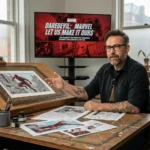


Lee Garbett is a comic book artist at Marvel known for bringing fresh visual energy to established characters. In a recent interview, Garbett discussed his work on Daredevil and how Marvel gave his creative team the freedom to reinterpret the character without heavy editorial constraints—a rarity in superhero publishing where decades of continuity can feel like creative handcuffs.
Key Takeaways
- Marvel granted Lee Garbett and his team significant creative freedom on the Daredevil project.
- Garbett identifies a specific hardest challenge he has faced in his career to date.
- The artist shares practical advice for aspiring comic book illustrators.
- The project required balancing iconic character elements with a fresh visual interpretation.
- Garbett’s approach prioritizes making the character feel contemporary and owned by the current creative team.
How Marvel Gave Lee Garbett Freedom to Reinvent Daredevil
The phrase “Marvel just let us cook” captures something rare in corporate superhero comics: editorial trust. Garbett explains that the publisher stepped back and allowed the team to make creative decisions without micromanagement, a luxury that enabled him to develop a visual language for Daredevil that feels distinctly his own rather than a slavish imitation of past runs. This autonomy extends beyond pencil choices—it encompasses character design, panel composition, and the overall tone of how the character moves through the page.
Working on a character with nearly seven decades of visual history requires confidence and a clear artistic vision. Garbett approached the assignment by respecting what came before while refusing to be imprisoned by it. The result is a Daredevil that honors the character’s legacy but does not feel beholden to it. This balance between reverence and reinvention is what separates forgettable work from interpretations that resonate with both longtime readers and newcomers.
The Hardest Challenge Lee Garbett Has Faced
Garbett reveals that the Daredevil project presented his hardest challenge to date as an artist. While he does not specify the exact nature of this difficulty in the available discussion, the challenge likely stems from the weight of expectation—delivering a visually compelling take on a character whose blind identity creates unique storytelling and design opportunities. Blind characters require careful, thoughtful visual communication; Garbett must convey Matt Murdock’s sensory experience and physical awareness through purely visual means.


The technical and conceptual demands of this assignment pushed Garbett beyond his previous work. Meeting that challenge required both technical skill and emotional intelligence—understanding not just how to draw Daredevil, but how to make readers feel his perspective and limitations through illustration alone. This kind of difficulty is what separates journeyman artists from those who genuinely elevate the medium.
Advice for Aspiring Comic Book Artists
Beyond discussing his own work, Garbett shares his biggest tip for artists looking to break into comics or improve their craft. While the specific advice is not detailed in the available interview summary, Garbett’s career trajectory and approach to Daredevil suggest his guidance likely centers on developing a distinctive visual voice, respecting source material while bringing originality, and being willing to tackle technically demanding assignments that push artistic boundaries.



For young artists studying how professionals approach established characters, Garbett’s work serves as a masterclass. He demonstrates that commercial work and artistic integrity are not mutually exclusive—that you can work within a corporate system and still produce something that feels personal and fresh. The willingness to accept challenge and the confidence to make bold creative choices are hallmarks of his philosophy.
What Makes Lee Garbett’s Daredevil Different
Garbett’s interpretation of Daredevil distinguishes itself through visual clarity and a commitment to making the character feel present and immediate. Rather than retreating into stylistic flourishes that prioritize “coolness” over communication, his approach centers on clarity of storytelling and emotional authenticity. Every panel serves the narrative; every design choice has purpose.
The artist’s willingness to make Daredevil his own, rather than copying previous visual interpretations, is what makes the work compelling. Too many comic artists approach iconic characters with reverence that borders on paralysis, afraid to make decisions that might be criticized. Garbett’s confidence—enabled by Marvel’s editorial freedom—allows him to take ownership of the character in a way that benefits the story and engages readers who might otherwise see just another iteration of a familiar hero.
Why Creative Freedom Matters in Superhero Comics
The superhero comic industry often operates under the assumption that established characters require rigid visual and narrative guidelines to maintain brand consistency. Garbett’s experience challenges this assumption. When publishers trust their creative teams and step back from over-editing, the work tends to feel more alive and urgent. Readers can sense when an artist is genuinely invested in their interpretation versus when they are going through the motions.



Marvel’s decision to grant Garbett and his team autonomy on Daredevil reflects a broader shift in how publishers approach legacy characters. Rather than treating them as sacred cows to be preserved in amber, smart publishers recognize that characters stay relevant by being reinterpreted by talented creators who bring their own perspective. This does not mean ignoring continuity or character essence—it means trusting the artist to find fresh angles within the framework of what makes the character work.
Is Lee Garbett’s Daredevil approach different from previous artists?
Yes. Garbett’s interpretation emphasizes visual clarity and emotional authenticity while maintaining the character’s core identity. His approach reflects the creative freedom Marvel granted, resulting in work that feels distinctly his own rather than derivative of past runs. The visual language he developed serves the narrative without sacrificing artistic integrity.
What is Lee Garbett’s biggest tip for aspiring artists?
While the specific advice is not detailed in the available interview summary, Garbett’s career demonstrates the importance of developing a distinctive visual voice, respecting source material while bringing originality, and being willing to tackle technically demanding assignments. His work suggests that aspiring artists should focus on clarity of storytelling and emotional authenticity rather than purely stylistic flourishes.
How does creative freedom affect comic book quality?
Creative freedom allows artists to bring genuine investment and perspective to their work. When publishers trust their creative teams and avoid over-editing, the resulting comics feel more alive and urgent. Readers sense the difference between work created with autonomy versus work produced under heavy editorial constraints. Garbett’s experience on Daredevil exemplifies how stepping back can produce stronger creative output.
Lee Garbett’s work on Daredevil demonstrates that corporate superhero comics do not have to feel corporate. When talented artists are given the trust and freedom to make creative decisions, the character benefits and readers get work that feels fresh and genuinely owned by its creators. The phrase “Marvel just let us cook” is not just about artistic freedom—it is about recognizing that sometimes the best way to serve a legacy character is to get out of the way and let the current team make it their own.
Edited by the All Things Geek team.
Source: Creativebloq