






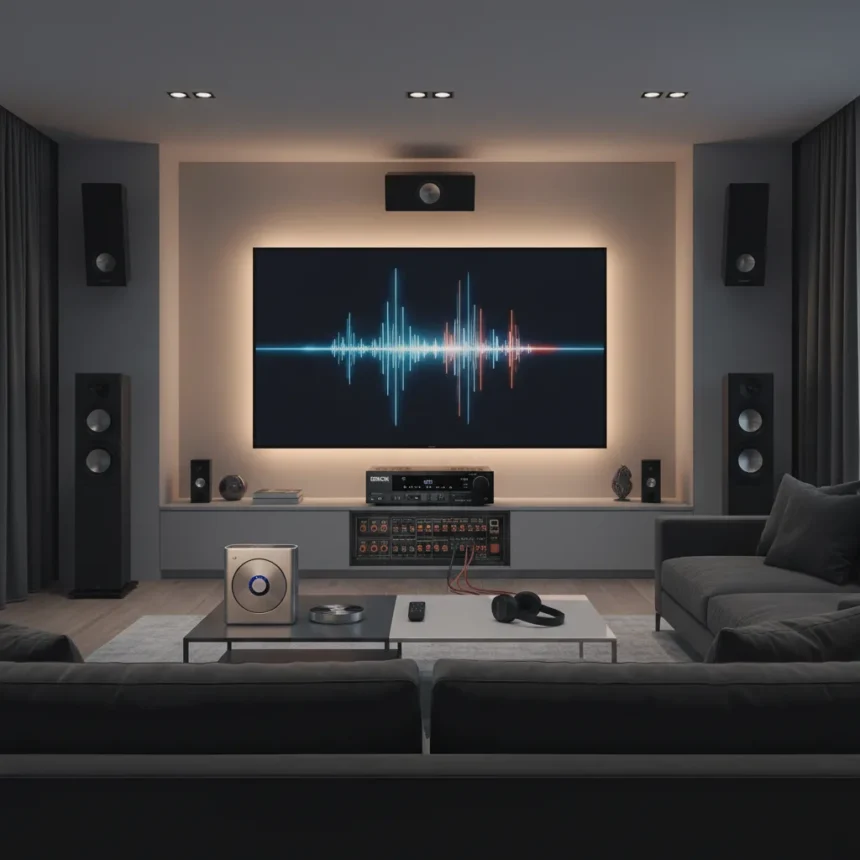
Dolby Atmos AV receivers are reshaping how people experience home cinema, and Denon’s latest lineup proves the category is far from mature. What Hi-Fi’s latest roundup of top hi-fi and home cinema stories reveals a market in flux: manufacturers are doubling down on immersive audio, next-generation display technology is finally reaching consumers, and surprisingly, analog formats are making a comeback.
Key Takeaways
- Denon unveiled new Dolby Atmos AV receivers with HDMI 2.1 and balanced XLR outputs
- The first next-gen TV has been tested and reviewed by What Hi-Fi experts
- Portable CD players are returning to the market, signaling renewed interest in physical media
- Dolby Atmos support is becoming standard in premium home cinema equipment
- The convergence of these trends shows home audio and video remain active, competitive categories
Denon’s Dolby Atmos AV Receivers Set New Standards
Denon has unveiled a new generation of Dolby Atmos AV receivers designed for both 4K and 8K content consumption. These receivers represent a significant step forward for home cinema enthusiasts who demand immersive spatial audio without compromise. The inclusion of HDMI 2.1 connectivity and balanced XLR outputs signals that Denon is targeting both casual home theater builders and serious audiophiles simultaneously.
The shift toward Dolby Atmos in mainstream AV receivers matters because it democratizes immersive audio. Five years ago, Atmos was a luxury feature reserved for high-end equipment. Today, manufacturers like Denon are embedding it into their core product lines, making it accessible to a broader market. This move mirrors what happened with 4K resolution—it started as premium, now it is standard.
What distinguishes these new receivers is their dual focus on video and audio performance. The HDMI 2.1 spec ensures compatibility with the latest content formats and gaming consoles, while the balanced XLR outputs appeal to audiophiles building reference-grade systems. This balancing act is rarely executed well, but Denon’s approach suggests the company understands that modern home cinema demands both latest video and pristine audio.

Next-Generation TVs Begin Arriving in Consumer Homes
What Hi-Fi has tested the first next-generation TV to reach the market, marking a turning point for display technology. While specifics about this model remain limited in the available reporting, the fact that a major publication has already conducted hands-on testing indicates that next-gen displays are moving from announcement to availability faster than previous technology cycles.
The timing of this TV launch alongside Denon’s receiver announcements is significant. Home cinema is not just about one component—it is a system. A next-generation TV without a receiver capable of handling its audio capabilities represents an incomplete upgrade. Conversely, a Dolby Atmos receiver paired with an older display leaves performance on the table. The convergence of these product launches suggests the industry is finally coordinating around a cohesive vision of what premium home cinema should be.
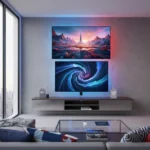
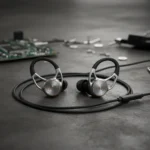
For consumers, this means 2025 is a genuine inflection point. Upgrading a single component—a receiver or a TV—now makes sense because the ecosystem is maturing. Five years ago, upgrading one component often revealed bottlenecks in others. Today, new equipment speaks the same language: Dolby Atmos, HDMI 2.1, and high-resolution video codecs.
The Portable CD Player Paradox
Perhaps the most unexpected story in this roundup is the return of the portable CD player. This development seems counterintuitive in an age of streaming dominance, yet it reflects a genuine consumer shift toward tangible media and analog warmth. Portable CD players occupy a niche that neither streaming services nor high-end headphone systems fill completely—they offer portability, ownership, and a tactile listening experience.
The CD player revival does not cannibalize streaming; instead, it serves a different audience. Collectors, audiophiles, and listeners fatigued by algorithmic recommendations are willing to carry a physical device for curated music. This parallels the vinyl resurgence of the past decade, which many industry observers initially dismissed as nostalgia. Instead, vinyl proved there was genuine demand for a different listening experience.
What this signals for home cinema is broader: consumers increasingly want choice. They want immersive Atmos systems, but they also want to own their music outright. They want next-generation TVs, but they also want analog formats. The industry’s job is no longer to predict which format wins—it is to support all of them simultaneously.


Why These Stories Matter Right Now
The convergence of Denon’s Dolby Atmos AV receiver launch, the first next-gen TV testing, and the portable CD player comeback reveals that home entertainment is not consolidating—it is expanding. Each story represents a different consumer need, and the market is responding by offering more choice, not less.
For home cinema enthusiasts, this is the best time in years to upgrade. Dolby Atmos AV receivers are mature enough to be reliable and affordable, next-generation displays are finally shipping, and the ecosystem is cohesive enough that upgrading one component does not require replacing everything. For music lovers, the return of portable CD players means the format wars are over—all formats coexist, and listeners choose based on preference, not necessity.
Is Dolby Atmos worth upgrading to in a home theater system?
Yes, if you watch movies or play games regularly. Dolby Atmos adds height channels that create genuine spatial immersion, transforming how action sequences and ambient sound feel. However, if you primarily watch television or listen to music, the benefit is smaller—most TV broadcasts do not include Atmos, and music streaming services have limited Atmos catalogs.
What makes next-generation TVs different from current 4K models?
Next-generation TVs typically feature improved processing, better color accuracy, and enhanced brightness in specific zones. The exact improvements depend on the manufacturer, but the general trend is higher peak brightness and more sophisticated local dimming. These improvements matter most if you watch in bright rooms or enjoy high-contrast content like action films.
Should I buy a portable CD player in 2025?
If you have a CD collection you want to enjoy portably, yes—the devices are returning to the market and offer better sound quality than smartphone audio. If you rely entirely on streaming, a portable CD player is an unnecessary purchase. However, if you enjoy owning your music and dislike subscription dependence, it is a legitimate option.
Home cinema in 2025 is defined not by a single winning technology but by choice. Denon’s new Dolby Atmos AV receivers, the arrival of next-generation TVs, and the return of portable CD players all point to the same conclusion: consumers want options, manufacturers are delivering them, and the market is healthier for it. Whether you upgrade your receiver, your TV, or both depends entirely on your priorities—but for the first time in years, all the pieces of a premium home cinema system are finally available at the same time.
Edited by the All Things Geek team.
Source: What Hi-Fi?




