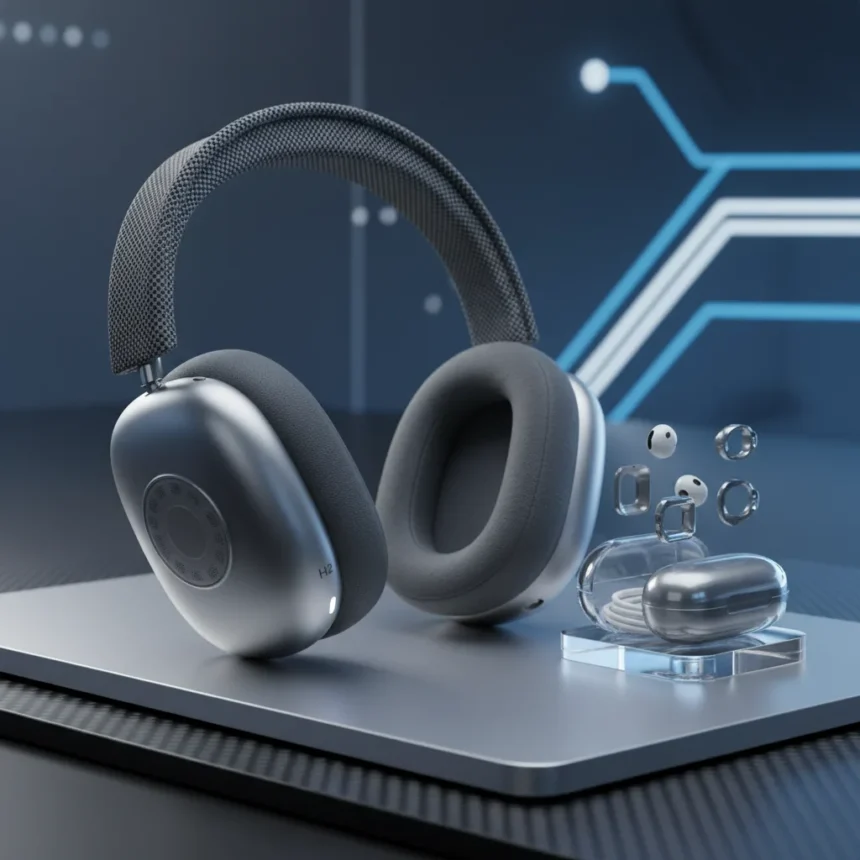
AirPods Max 2 look nearly identical to their predecessor, but Apple’s second-generation premium over-ear headphones represent a meaningful leap in what matters most: sound quality, noise control, and everyday usability. The H2 chip powering these headphones unlocks features that were previously exclusive to AirPods Pro, transforming them from a premium design statement into a genuinely competitive flagship.
Key Takeaways
- AirPods Max 2 use the H2 chip and new high dynamic range amplifier for noticeably better sound and noise cancellation
- Adaptive Audio blends active noise cancellation and Transparency mode in real time, adapting to your environment
- Apple claims up to 1.5x better active noise cancellation than the original AirPods Max
- Battery life remains at up to 20 hours with spatial audio and active noise cancellation enabled
- New features include Voice Isolation, Conversation Awareness, Live Translation, and studio-quality audio recording
Why AirPods Max 2 Sound Dramatically Better
The H2 chip is not just a faster processor—it enables a new high dynamic range amplifier modeled on the one inside AirPods Pro 3, fundamentally changing how these headphones render audio. Combined with the 40mm drivers in each earcup, the result is wider soundstage and cleaner separation across genres. The improvement is immediate. Where the original AirPods Max sounded polished but sometimes flat, the second generation reveals detail and depth that justify the premium positioning.
TechRadar’s testing found that spatial audio still impresses, but the H2 chip gives it more breathing room. Vocals sit forward without harshness, and bass hits harder without muddiness. This is not a subtle tweak—it is the kind of upgrade that makes you notice what you were missing.
Adaptive Audio Changes Everything for Noise Cancellation
The standout new feature in AirPods Max 2 is Adaptive Audio, which blends active noise cancellation and Transparency mode in real time based on your environment. Rather than forcing you to choose between blocking the world out and hearing it, the headphones intelligently shift between modes as you move through different spaces. In a noisy café, they lean into active noise cancellation. When someone nearby speaks, Conversation Awareness kicks in, automatically lowering music so you can hear them.



Apple claims up to 1.5x better active noise cancellation than the original model, and testing confirms this is not marketing hyperbole. City noise, air-conditioning hum, and café chatter are noticeably more suppressed. The improvement is especially dramatic for low-frequency rumble—the kind of constant background noise that wears you down over hours. This alone justifies the upgrade for anyone who uses headphones in unpredictable environments.
Feature Parity with AirPods Pro Finally Arrives
One of the biggest frustrations with the original AirPods Max was that they lacked features available on the cheaper AirPods Pro 3. AirPods Max 2 close that gap significantly. Voice Isolation now works on these headphones, suppressing background noise during calls. Live Translation lets you have conversations with people who speak different languages, with real-time translation flowing through the headphones.



Other arrivals include Personalized Volume, which learns your preferences and adjusts automatically, and Loud Sound Reduction, which protects hearing in noisy environments. You can also nod or shake your head to respond to Siri prompts, and the Digital Crown now controls your iPhone camera. These features transform the headphones from audio-only devices into full-featured Apple ecosystem accessories.
Studio-quality audio recording from the headphones’ microphones is another addition that catches many users off guard—these are genuinely capable recording devices, not just passive listeners. For content creators or anyone recording voice notes, this is a significant practical upgrade.
The Design Gamble: Looking Identical While Performing Better
Apple made a deliberate choice to keep the aluminum-and-stainless-steel design unchanged from the original AirPods Max. This is either genius or frustrating, depending on your perspective. Visually, the new model is indistinguishable from the old one, which means no new color options and no refreshed aesthetics. The weight remains the same, which TechRadar notes is disappointing for anyone hoping for a lighter option.
But here is the strategic logic: the original design still holds up. It is iconic, recognizable, and comfortable for most users. Rather than chase cosmetic trends, Apple invested the engineering effort into what you hear and feel, not what you see. This approach works if you believe the sound and features justify the price—and for AirPods Max 2, they do.


Battery Life: The One Disappointment
Battery life remains at up to 20 hours with spatial audio and active noise cancellation enabled. For a second-generation product with a more powerful chip and additional features, you might expect improvement. TechRadar calls this unchanged battery life pretty disappointing. The H2 chip is more efficient than the H1, but Apple did not translate that efficiency into longer listening time. Instead, they kept it the same, prioritizing feature density over endurance.
For most users, 20 hours is still plenty—a full week of casual listening before needing a charge. But for power users or travelers, this is a missed opportunity.
AirPods Max 2 vs. the Original: Is the Upgrade Worth It?
The original AirPods Max still held up reasonably well against the wider category of premium noise-cancelling headphones before this new model launched. But AirPods Max 2 is a different animal. The H2 chip, the improved active noise cancellation, and the feature additions from AirPods Pro 3 create a compelling reason to upgrade if you own the first generation.
If you are shopping for premium over-ear headphones from scratch, AirPods Max 2 is the obvious choice within the Apple ecosystem. The question is not whether they are better than the original—they clearly are—but whether they justify the premium price against other flagship headphones. For iPhone and Mac users who want seamless integration and ecosystem benefits, the answer is yes.
Does AirPods Max 2 have Game Mode?
Yes. Apple says AirPods Max 2 have lower wireless latency in Game Mode on compatible Apple devices, making them suitable for gaming as well as music and calls. This is a practical addition for anyone who uses their headphones across multiple activities.
How much better is the noise cancellation on AirPods Max 2?
Apple claims up to 1.5x better active noise cancellation compared to the original AirPods Max. Testing confirms the improvement is noticeable, especially for low-frequency rumble and sustained background noise like air conditioning. The new Adaptive Audio feature amplifies this by intelligently blending active noise cancellation with Transparency mode.
Should you upgrade from the original AirPods Max?
If you own the first-generation AirPods Max and use your headphones daily, the H2 chip and improved noise cancellation make the upgrade worthwhile. The addition of Adaptive Audio and AirPods Pro features like Voice Isolation and Live Translation add practical value beyond just sound quality. However, if your original pair still sounds good to you and you do not need the new features, waiting is reasonable.
AirPods Max 2 prove that meaningful upgrades do not always require dramatic redesigns. Apple kept the iconic look while delivering the performance leap the original headphones needed. For anyone seeking premium over-ear headphones that integrate smoothly with Apple devices, these are genuinely the headphones to buy.
Where to Buy
Edited by the All Things Geek team.
Source: TechRadar