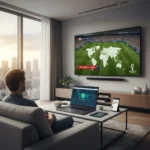



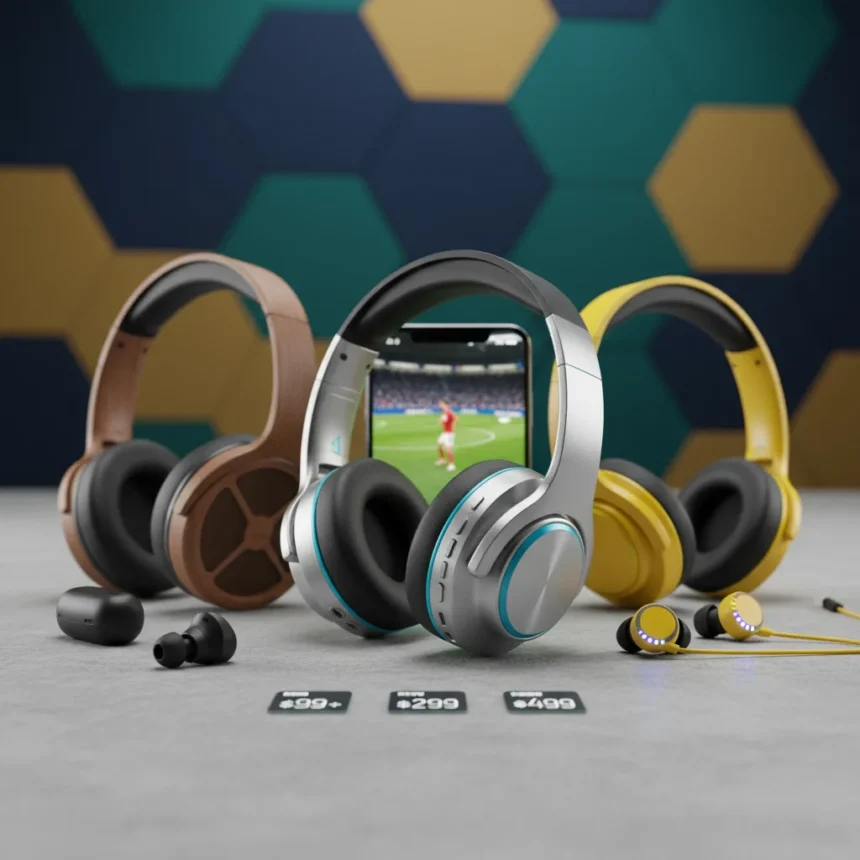
Headphones for FIFA World Cup 2026 mobile viewing can transform how you experience the tournament on your phone. Whether you’re catching highlights between work or watching matches in public spaces, the right audio gear makes all the difference between tinny smartphone speakers and stadium-quality immersion.
Key Takeaways
- Mobile headphones starting at $99 deliver stadium-like immersion for World Cup viewing on phones
- Public viewing requires isolation from crowd noise without blocking all ambient sound
- Highlights watching benefits from bass-forward tuning and clear commentary reproduction
- Battery life matters for extended match viewing sessions on the go
- Comfort during multi-hour tournaments justifies investing in quality ear cups and headbands
Why Mobile Audio Matters for World Cup Viewing
Watching the 2026 FIFA World Cup on a smartphone means sacrificing the big-screen experience most fans expect. Audio quality becomes the deciding factor between feeling present at the match and feeling isolated by tinny playback. Stadium roar, commentator clarity, and the emotional impact of goals all depend on your headphones doing the heavy lifting that your phone’s speakers simply cannot handle.
The tournament’s timing and global reach mean fans will watch in diverse environments: airports, break rooms, outdoor bars, and commutes. Each setting demands different acoustic priorities. Someone catching highlights at a desk needs isolation and clarity. Someone watching in a crowded pub needs to block ambient chatter without completely disconnecting from their surroundings. This is where the right headphones for FIFA World Cup 2026 viewing become essential rather than optional.
Headphones for FIFA World Cup 2026: What to Look For
Starting at $99, you can find headphones that handle the specific demands of mobile sports viewing. The key is balancing immersion with practicality. Stadium sound requires punchy bass and clear midrange for commentary, but you also need durability for frequent travel and battery life that outlasts a full match plus extra time.


Isolation matters differently depending on your viewing context. Passive noise cancellation works for quiet environments where you want to feel transported to the pitch. Active noise cancellation adds expense but shields you from unpredictable ambient noise in public spaces. Open-ear designs offer a middle ground—you stay aware of your surroundings while still getting directional audio that beats phone speakers by a wide margin.
Comfort becomes critical during tournament runs. Group stages mean back-to-back matches over weeks. Ear cup padding, headband pressure, and weight distribution separate headphones you can wear for two hours from headphones that become painful after 90 minutes. Battery endurance should exceed match length with buffer—a 30-hour battery outlasts any single game and handles multiple days of tournament viewing without hunting for a charger.

Mobile Viewing vs. Home Theater: Where Headphones Win
Home theater setups deliver superior soundstage and speaker count, but they are stationary and expensive. Headphones for FIFA World Cup 2026 viewing offer portability that home systems cannot match. You watch the tournament where you are—not where your TV happens to be. This flexibility matters during a month-long tournament that spans time zones and competing schedules.
Headphones also solve the shared-space problem. In a household with conflicting viewing interests, headphones let you watch your match at full volume without disturbing others. In public venues, they keep your experience private without forcing restaurant staff to accommodate your audio needs. This practical advantage often outweighs the immersion difference between a quality headphone setup and a modest TV speaker.
Finding the Right Fit for Your Viewing Style
Highlight watchers benefit from bass-forward tuning that emphasizes goal celebrations and crowd reactions. Commentary clarity matters less when you’re watching condensed action. Conversely, full-match viewers need balanced midrange to catch every tactical detail and announcer insight without fatigue during extended listening sessions. Your viewing habits should drive your headphone choice more than brand reputation alone.
Consider your environment during peak tournament weeks. Night matches in your region might mean watching at work or on commutes where isolation is valuable. Daytime matches might happen during social events where open-ear designs keep you connected to your surroundings. The best headphones for FIFA World Cup 2026 viewing are the ones you’ll actually use consistently, not the highest-ranked model that sits unused because it does not match your real-world routine.



FAQ: Headphones for FIFA World Cup 2026 Viewing
Do I need noise-canceling headphones to watch the World Cup on my phone?
No. Noise cancellation helps in loud environments like airports or offices, but passive isolation or open-ear designs work fine for quiet spaces. Match the cancellation type to where you actually watch, not to marketing hype. Many viewers prefer open-ear designs that let them stay aware of surroundings during public viewing.
How long should World Cup headphones last on a single charge?
Aim for at least 20 hours to cover multiple matches across a tournament day without recharging. Most matches run 90 minutes plus extra time, so even 15 hours technically covers two full games. Longer battery life removes the stress of hunting for power during tournament runs.
Are expensive headphones worth it for sports viewing?
Not necessarily. The $99 entry point delivers solid immersion for most viewers. Premium models add refinement and durability but do not fundamentally change how you experience match audio. Comfort and battery life matter more than brand prestige when watching for extended periods.
The 2026 FIFA World Cup arrives in less than two years. Fans planning their viewing setup now have time to test different headphones and find what works for their specific habits—whether that means catching highlights solo or joining public viewing crowds. Starting at $99, quality audio is no longer a luxury for mobile sports fans. It is the baseline expectation for feeling like you are actually at the games.
Where to Buy
Soundcore Space One: | JLab Epic Lux Lab Edition: | Marshall Monitor III: | Marshall Milton ANC: | Sony WH-1000XM6:
Edited by the All Things Geek team.
Source: Tom's Guide