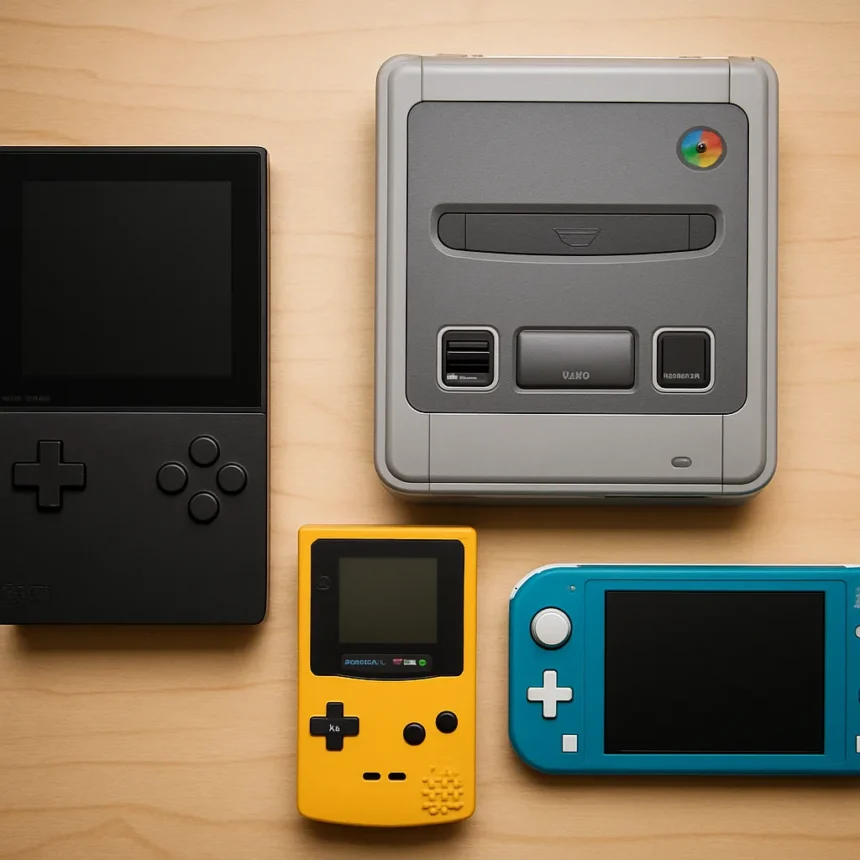
The best retro gaming consoles in 2026 split into three clear camps: FPGA-based recreations that mimic original hardware at transistor level, emulation-powered handhelds for broader game compatibility, and original hardware for purists willing to pay collector prices. Which path you choose depends entirely on whether you value historical accuracy, convenience, or budget.
Key Takeaways
- FPGA consoles like Analogue Pocket recreate hardware transistor-by-transistor instead of emulating, delivering near-perfect accuracy for Game Boy and other handhelds.
- Emulation handhelds like Retroid Pocket 5 handle 1996–2005 era games (PS1, Dreamcast) effectively, with PS2 emulation showing diminishing returns.
- Budget options like Miyoo Mini Plus ($50–$55) offer solid retro play for classic systems up to PlayStation 1.
- Original hardware prices in 2026 range from Sega Genesis at $115 to SNES at $150–$220, available through secondary markets.
- Evercade ecosystem provides cartridge-based play without emulation complexity, ideal for casual retro sessions.
FPGA Recreation: The Purist’s Path to Best Retro Gaming Consoles
If accuracy matters more than game library size, FPGA-based hardware like the Analogue Pocket ($219.99) stands alone. Instead of using software emulation, FPGA chips recreate the actual hardware at a transistor level, meaning the device is not simulating a Game Boy—it is rebuilding one in silicon. This architectural difference matters: no lag, no visual artifacts, no compromises. The Analogue Pocket is about as close as the retro gaming world has to a perfect device for multi-handheld accuracy.
The ModRetro Chromatic takes this philosophy into premium territory, offering authentic Game Boy Color hardware recreation using either Gorilla Glass ($199) or Sapphire Crystal ($299) materials. According to 8BitBlood’s review, this thing is built like a weapon—Palmer Luckey and the ModRetro team made an obsession project that happens to be a consumer product. For Game Boy purists, the Chromatic delivers uncompromising build quality and hardware fidelity.
The Analogue Duo extends FPGA accuracy to Turbografx-16 and PC Engine games, handling both CD and Hu-card formats at 1080p. These FPGA solutions cost more than emulation alternatives, but they eliminate the setup complexity and performance variability that plague software-based approaches.

Emulation Handhelds: Broader Game Coverage, Easier Setup
For players who want to revisit entire eras rather than specific systems, emulation handhelds deliver better value. The Retroid Pocket 5 handles the 1996–2005 window effectively, covering systems like PlayStation 1 and Dreamcast without the fragility of original hardware. If your retro era is 1996–2005, the Retroid Pocket 5 is the best handheld way to revisit it. The upcoming Retroid Pocket 6 offers more power for 2026, though diminishing returns appear when attempting PS2 and GameCube emulation.
The Anbernic RG-35XX SP (released May 2024) provides a budget alternative with a 3.5-inch 4:3 screen and Linux OS, covering systems up to Dreamcast. It occupies the sweet spot between ultra-cheap handhelds and premium FPGA devices, delivering solid compatibility without premium pricing.
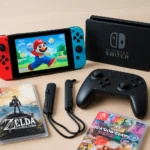
The Miyoo Mini Plus sits at the budget extreme, priced at $50–$55 and handling classic systems up to PlayStation 1. For casual players or those testing the waters of handheld retro gaming, this device eliminates financial risk while delivering functional play.
Cartridge-Based Systems and Original Hardware
The Evercade ecosystem avoids emulation entirely by using proprietary cartridges loaded with curated game collections. The Super Pocket handheld offers Evercade cartridge compatibility for easy retro sessions without setup complexity, while the Evercade Alpha arcade cabinet brings authentic controls and artwork to the living room. This approach trades game selection breadth for simplicity—you play what is on the cartridge, period.
Original hardware remains viable for players with patience and budget. The SEGA Genesis Mini includes a cartridge slot and features authentic Yuzo Koshiro menu music, excelling in Sega 16-bit classics like Sonic. Secondary market pricing in 2026 reflects collector demand: Atari 2600 around $150, NES $150–$200, SNES $150–$220, Sega Genesis $115, and PS3 Fat 160GB at $218 (backwards compatible with PS1 and PS2 titles). These prices assume reasonable condition and vary by market.
Which Best Retro Gaming Consoles Should You Actually Buy?
The decision hinges on three factors: accuracy obsession, game library breadth, and budget constraints. FPGA devices like Analogue Pocket demand premium pricing but deliver perfect hardware recreation for specific systems. Emulation handhelds like Retroid Pocket 5 offer broader era coverage and easier setup, though PS2 and GameCube emulation remains imperfect. Cartridge-based systems like Evercade eliminate setup friction entirely, sacrificing game selection for plug-and-play reliability. Original hardware provides authentic play but requires condition research and secondary market navigation.

For most players, a Retroid Pocket 5 or Analogue Pocket forms the core collection, supplemented by a budget handheld like Miyoo Mini Plus for travel and a single original system (Genesis or SNES) for nostalgia. This combination covers accuracy, breadth, and budget without redundancy.
Is FPGA really better than emulation for retro gaming?
FPGA recreates hardware at transistor level, eliminating lag and visual artifacts that emulation sometimes introduces. However, FPGA devices are limited to specific systems, while emulation handhelds cover entire eras. FPGA is not objectively better—it is more accurate for the systems it supports, but narrower in scope.
Can you play PS2 games on handheld best retro gaming consoles?
PS2 emulation on handhelds like Retroid Pocket 5 works but shows diminishing returns, with compatibility and performance issues limiting the experience. For reliable PS2 play, original PS3 Fat hardware with backwards compatibility remains the practical choice at $218.
What is the cheapest way to play best retro gaming consoles?
The Miyoo Mini Plus at $50–$55 is the entry point, covering systems up to PlayStation 1. For slightly more budget flexibility, the Anbernic RG-35XX SP adds Dreamcast support while maintaining affordability.
The best retro gaming consoles in 2026 reflect a mature market where accuracy, convenience, and budget no longer need to converge in a single device. Pick your priority, accept the trade-offs, and enjoy the games that shaped the medium.
Where to Buy
EvercadeEvercade Exp-R Retro Gaming Handheld Console With Tomb Raider 1, 2 & 3$129.99shop now | 14% OFFBlaze EntertainmentSuper Pocket Capcom Edition$59.99$69.99shop now | ARCADE CLASSICSArcade Classics Pac Man Jr Series Free Standing Machine, 3 Games, 8" Liquid Crystal Screen – Arcade Game for Basements, Garages, or Game Rooms$299.99shop now | Blaze EntertainmentEvercade Alpha Street Fighter Bartop Arcade – Pre-Assembled Unit With Competition-Grade Arcade Controls + 8” High-Resolution Ips Screen$279.99shop now | 27% OFFMy ArcadeMy Arcade Atari Game Station Pro: Retro Video Game Console With 200+ Games, Wireless Joysticks, Rgb Led Lights$72.99$99.99shop now
Edited by the All Things Geek team.
Source: Creativebloq