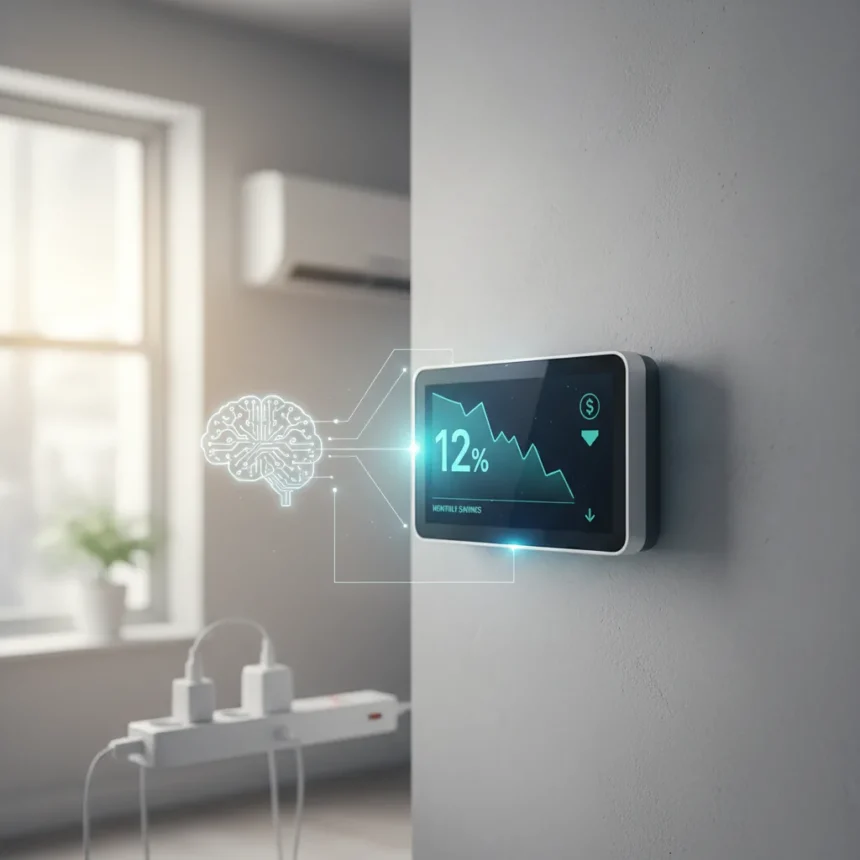
ChatGPT home energy tips delivered measurable results when tested in a real household over one month, cutting the monthly energy bill by 12 percent without requiring expensive upgrades or renovations. A Tom’s Guide author asked ChatGPT a simple question — “Give me essential energy-saving tips for my home” — and implemented the AI’s 10 recommendations systematically, tracking actual utility savings. The outcome proves that accessible AI can translate into concrete household cost reductions, especially when users commit to behavioral changes rather than waiting for major purchases.
Key Takeaways
- ChatGPT generated 10 practical, low-cost energy tips focused on immediate implementation and behavioral shifts.
- One month of following the tips reduced monthly energy bills by 12 percent.
- Tips emphasized thermostat adjustments, unplugging devices, cold-water laundry, and lighting changes.
- All recommendations required minimal or no upfront cost, using existing household items.
- Results prove AI-generated advice can drive real savings when tested in actual homes.
ChatGPT Home Energy Tips: What Actually Moved the Needle
ChatGPT‘s response began with a straightforward promise: “Here are essential, actionable energy-saving tips for your home that require minimal or no upfront cost.” The 10 tips spanned heating, cooling, appliance use, lighting, and water heating — areas where most households leak money without realizing it. The author noted that ChatGPT avoided recommending expensive replacements like new HVAC systems or solar panels, instead focusing on habits and adjustments that anyone could implement today. This pragmatic approach matters because it removes the barrier of capital investment that stops most people from even trying to cut energy use.
The thermostat adjustment alone drove significant savings. The author raised their home temperature from 72°F to 78°F while home and 85°F while away, using programmable settings to avoid manual changes. This single shift reduced air conditioning runtime noticeably. Unplugging electronics — chargers, televisions, gaming consoles — addressed vampire energy drain, a hidden cost most households ignore. Using power strips made the unplugging habit convenient rather than tedious, turning a one-time fix into sustainable behavior.
Laundry changes delivered cumulative impact. Switching to cold-water washing and air-drying on a clothesline instead of using the dryer significantly reduced energy consumption. This tip required zero equipment investment and worked immediately. Similarly, replacing incandescent bulbs with LEDs and building a habit of turning off lights when leaving rooms cut lighting costs with minimal effort. The behavioral component — remembering to flip switches — proved as important as the technology itself.



The Practical Mechanics Behind the 12% Savings
Running full loads only in dishwashers and washing machines prevented partial-cycle waste, a tip that requires discipline but no spending. Closing blinds and curtains during the hottest parts of the day, particularly on south and west-facing windows, kept the house cooler without extra air conditioning strain. Ceiling fans adjusted to counterclockwise rotation in summer improved air circulation perception, allowing the thermostat to stay higher without discomfort. These adjustments compound — no single tip saves enormous amounts, but together they created measurable reduction.
Water heating changes included setting the heater to vacation mode during extended absences, capturing minor but cumulative savings. Cooking with pot lids and switching from the oven to smaller appliances like toaster ovens and microwaves reduced preheat time and energy draw. Sealing windows and doors with weatherstripping — a $10 to $20 material cost — prevented conditioned air from escaping, addressing one of the most common sources of wasted heating and cooling energy. The author tested all 10 tips over one month and reported that the energy bill dropped by 12 percent, translating to what they described as “a good amount of money” saved.



Why This Matters More Than Generic Energy Advice
The value of ChatGPT home energy tips lies not in their novelty but in their accessibility and validation. Energy companies and efficiency websites have published similar advice for years, yet most people never implement it. An AI chatbot providing the same tips creates a different psychological dynamic — users feel they are receiving personalized guidance rather than reading generic articles. The author’s willingness to test ChatGPT’s recommendations and report actual savings adds credibility that marketing materials lack. This is not a utility company asking you to save energy; it is a peer who asked an AI for help and saw results.
The tips also avoid the false choice between comfort and savings. Rather than suggesting extreme sacrifice — living in an uncomfortably warm house or dark rooms — ChatGPT balanced livability with efficiency. Setting the thermostat to 78°F while home and 85°F while away is higher than many people prefer, but the author implemented it and found it tolerable. The cold-water laundry switch requires no sacrifice beyond habit. Air-drying clothes takes longer but costs nothing. These are trade-offs people can actually accept, which explains why the 12% reduction was achievable in a single month rather than requiring years of behavioral change.
How ChatGPT Home Energy Tips Compare to Traditional Advice
Traditional energy-saving guidance often splits into two camps: expensive upgrades (new windows, HVAC systems, insulation) or vague exhortations to “use less.” ChatGPT home energy tips occupied a middle ground, providing specific, actionable steps that required neither capital investment nor unrealistic sacrifice. The AI’s refusal to recommend major purchases reflected practical wisdom — most people do not upgrade their homes based on energy concerns alone, so suggesting them wastes everyone’s time. Instead, ChatGPT focused on what a homeowner could change in a week, implementing all 10 tips simultaneously and seeing results within a month.
The contrast matters because it shows how AI can function as a practical advisor rather than a salesperson or ideologue. A company selling solar panels would emphasize long-term payoff. An energy company might recommend smart thermostats or upgraded appliances. ChatGPT simply listed what works fastest and cheapest, allowing the user to decide what to prioritize. This approach proved effective — the 12% bill reduction arrived without any major purchases, suggesting that behavioral change and optimization of existing systems can drive meaningful savings before anyone considers capital investment.


Replicating These Results in Your Own Home
The author’s 12% savings came from testing all 10 ChatGPT home energy tips simultaneously over one month. Replicating these results requires commitment to implementation, not just reading the tips. Start with the thermostat — this single change likely drove the largest portion of savings. Identify which rooms you use most and which you can allow to be warmer while away. Program the thermostat to adjust automatically rather than relying on manual changes. Next, unplug devices and use power strips for convenience; this removes the friction that prevents most people from addressing vampire energy. Move to laundry changes if you have a clothesline or drying rack; if not, prioritize the other tips first.
Lighting changes cost little if you already own LED bulbs; if not, budget $20 to $40 for replacements. The habit of turning off lights matters as much as the bulb type, so focus on behavior first. Seal obvious drafts around windows and doors using weatherstripping — this is a weekend project costing under $30 and delivering year-round benefits. Adjust ceiling fan direction and cooking habits immediately; these require no spending and no installation. The key insight from the author’s test is that all 10 tips working together created the 12% reduction. Implementing a few tips will likely deliver smaller savings, but starting with any of them establishes momentum.
What Surprised the Author About ChatGPT’s Advice
The author noted that ChatGPT’s list avoided both extreme frugality and expensive recommendations, instead focusing on practical optimization. Many people expect AI to either suggest radical lifestyle changes or push expensive products; ChatGPT did neither. The tips were straightforward enough that a teenager could understand them, yet specific enough that implementation was clear. This balance between accessibility and precision is why the author followed through and achieved measurable results. Generic advice like “save energy” fails because it provides no starting point; ChatGPT’s specific list removed that barrier.
The 12% reduction also surprised the author because it arrived within a single month. Energy efficiency typically requires patience — weatherstripping and insulation upgrades pay off over years. ChatGPT’s behavioral tips delivered faster results because they addressed immediate waste. Unplugging devices and adjusting the thermostat have instant effects on energy consumption, while sealing drafts prevents ongoing loss. The author’s experience suggests that most homes waste enough energy through behavior and optimization that 10-15% savings are achievable without any capital investment, making ChatGPT home energy tips a logical first step before considering upgrades.
FAQ
Can I replicate the 12% savings in my own home?
The author achieved a 12% reduction by implementing all 10 tips simultaneously over one month. Your results will depend on your starting point, climate, home size, and how consistently you follow the tips. Homes with higher baseline energy waste or those in hot climates may see larger savings; smaller, efficient homes may see less. Testing all 10 tips together for one month is the best way to measure your own results.
Which ChatGPT home energy tips save the most money?
Thermostat adjustments, laundry changes, and unplugging devices likely drove the largest portion of the author’s 12% savings. Thermostat changes affect heating and cooling, the biggest energy consumers in most homes. Laundry is the second-largest energy user in many households, making cold water and air-drying high-impact. Unplugging devices addresses constant drain from devices left in standby mode. Start with these three if you want to prioritize effort.
Do I need to buy anything to follow these tips?
Most tips require no spending — thermostat adjustments, unplugging devices, cold-water laundry, and turning off lights are free. LED bulbs and weatherstripping cost money if you do not already own them, but are inexpensive ($20-40 for bulbs, $10-20 for weatherstripping). All 10 tips can be implemented for under $50 if you have no LED bulbs and need weatherstripping; many people will spend nothing because they already own these items.
Why did ChatGPT avoid recommending expensive upgrades?
ChatGPT focused on tips requiring minimal or no upfront cost because it was asked for “essential” energy-saving advice. The AI prioritized immediate implementation over long-term payoff, recognizing that most people need quick wins before committing to expensive projects. This pragmatic approach also reflects the reality that behavioral changes and optimization deliver faster results than capital investments, making them the logical starting point for any household energy strategy.
ChatGPT home energy tips proved that accessible AI can translate into real household savings when tested honestly. The 12% bill reduction arrived from behavioral changes and optimization rather than expensive upgrades, removing the barrier that stops most people from even trying to cut energy use. If you are looking for a practical starting point before considering solar panels or new appliances, these 10 tips offer a roadmap that works without requiring sacrifice or capital investment.
Where to Buy
Samsung Galaxy S26 | Samsung Galaxy S26
Edited by the All Things Geek team.
Source: Tom's Guide