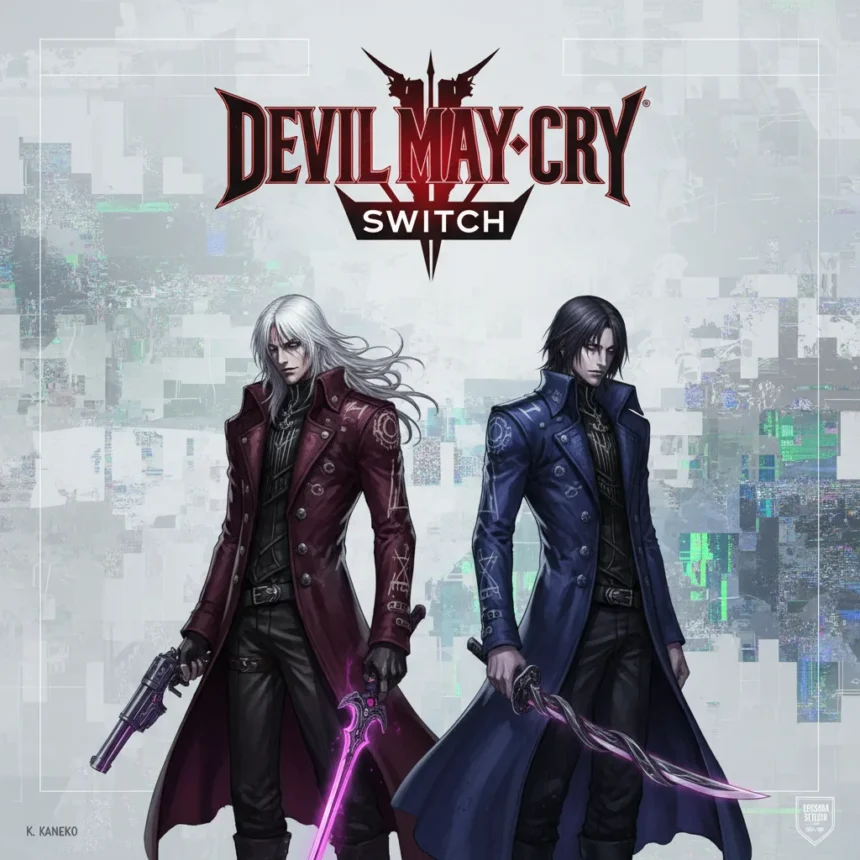
Devil May Cry character redesigns for a new Switch game represent a significant creative pivot: the project abandoned its initial AI art experiment in favor of hand-crafted work by Kazuma Kaneko, the legendary character designer behind Persona’s most iconic figures. This decision underscores a broader industry trend of stepping back from AI-generated content when quality and artistic integrity are on the line.
Key Takeaways
- New Switch Devil May Cry game scrapped AI art for Kazuma Kaneko character designs
- Kaneko previously designed Dante and Vergil’s Devil Trigger forms for Devil May Cry
- The shift reflects growing skepticism toward AI art in high-profile game projects
- Persona’s character designer brings established credibility to the franchise redesign
- Game development increasingly prioritizes human artistry over algorithmic generation
Why Devil May Cry Character Redesigns Matter Right Now
The decision to bring in Kazuma Kaneko for Devil May Cry character redesigns signals that even experimental indie and mid-tier game studios recognize the creative and commercial limits of AI-generated art. When a project’s visual identity is central to its appeal—as it is with Devil May Cry, a franchise built on stylized character design—cutting corners with AI proves counterproductive. The initial AI art experiment likely failed to capture the franchise’s distinctive aesthetic, forcing developers to seek a proven alternative.
Kaneko’s involvement is not arbitrary. He previously designed Dante and Vergil’s Devil Trigger forms for Devil May Cry, giving him direct experience with the franchise’s visual language. His track record in Persona demonstrates his ability to create characters that feel both distinctive and instantly recognizable—qualities that AI systems struggle to deliver consistently. For a Switch release, where visual impact on a smaller screen demands clarity and personality, human character design becomes even more critical.
The AI Art Pivot: What Changed
Game studios have increasingly experimented with AI-generated art as a cost-cutting measure, but the results often disappoint. The new Devil May Cry Switch game’s abandonment of its AI art experiment reflects a hard lesson: algorithmic generation can produce volume, but it cannot reliably produce character. AI systems excel at interpolating existing styles, but they struggle with coherence, originality, and the kind of intentional visual storytelling that defines modern game design.



By pivoting to Kazuma Kaneko, the developers chose quality over speed. Kaneko’s character designs carry intentionality—every line, every proportion, every color choice serves the character’s identity and the game’s narrative. This level of craftsmanship is why his work on Persona resonates with players worldwide. The contrast between algorithmic generation and human artistry becomes starker the more closely players examine character details, animations, and how designs interact with gameplay mechanics.
Devil May Cry Character Redesigns vs. Previous Entries
Tatsuya Yoshikawa handled character design for Devil May Cry 5, establishing a contemporary visual standard for the franchise. Kaneko’s redesigns for the Switch game will inevitably invite comparison, but they operate from different constraints and creative intentions. Yoshikawa’s work reflected the technical capabilities and aesthetic preferences of a current-generation console release; Kaneko’s designs must function on Switch hardware while also potentially offering a fresh artistic perspective.



The redesign approach also differs philosophically from simple character model updates. Kaneko is not merely rendering existing characters in a new style—he is reimagining them. This creative autonomy allows for bolder visual choices and potentially reinterprets how these characters fit into the Devil May Cry universe. For players familiar with previous entries, this redesign strategy offers novelty without alienating the franchise’s core identity.
What This Means for Game Development Moving Forward
The Devil May Cry Switch game’s rejection of AI art does not mean the industry will abandon algorithmic tools entirely. Rather, it suggests a maturing understanding of where AI adds value and where it creates liability. Concept art, asset generation, and iterative design phases may benefit from AI assistance, but final character designs for flagship titles demand human oversight and artistic vision.
Kaneko’s involvement also raises the bar for how studios approach character redesigns. Hiring a world-class artist signals confidence in the project and respect for the source material. It tells players that this game deserves serious creative investment, not algorithmic shortcuts. As more studios recognize the commercial and critical costs of AI art missteps, expect more high-profile design pivots similar to this one.
Will the Switch version maintain the Devil May Cry visual style?
Yes. Kazuma Kaneko’s previous work on Devil Trigger forms for Devil May Cry demonstrates his understanding of the franchise’s aesthetic. His Persona background shows he can design characters with strong visual identity and clarity, which translates well to Switch’s screen size and processing power. The redesigns should feel authentically Devil May Cry while benefiting from Kaneko’s distinctive artistic voice.


How does Kazuma Kaneko’s art differ from AI-generated character design?
Kaneko brings intentional character development through visual design—every detail serves narrative and gameplay purpose. AI systems generate variations on existing patterns but lack the conceptual coherence and artistic decision-making that define memorable character design. Kaneko’s work in Persona proves he understands how to make characters feel alive and distinctive, something no current AI system reliably achieves.
Is this the first time a game studio has scrapped AI art?
The broader industry trend shows increasing skepticism toward AI-generated content in high-profile releases, but each project’s circumstances differ. What makes this Devil May Cry Switch game notable is the deliberate pivot to a legendary artist, signaling that the studio prioritizes artistic quality over production speed. This decision will likely influence how other developers approach character design in upcoming projects.
The Devil May Cry character redesigns by Kazuma Kaneko represent more than a creative swap—they embody a wider industry recognition that artistic vision and human craftsmanship remain irreplaceable in game development. As AI tools proliferate, studios that invest in proven human talent will increasingly stand out. For players, it means the new Switch game arrives with creative credibility and visual authenticity that no algorithmic shortcut could deliver.
Edited by the All Things Geek team.
Source: Creativebloq