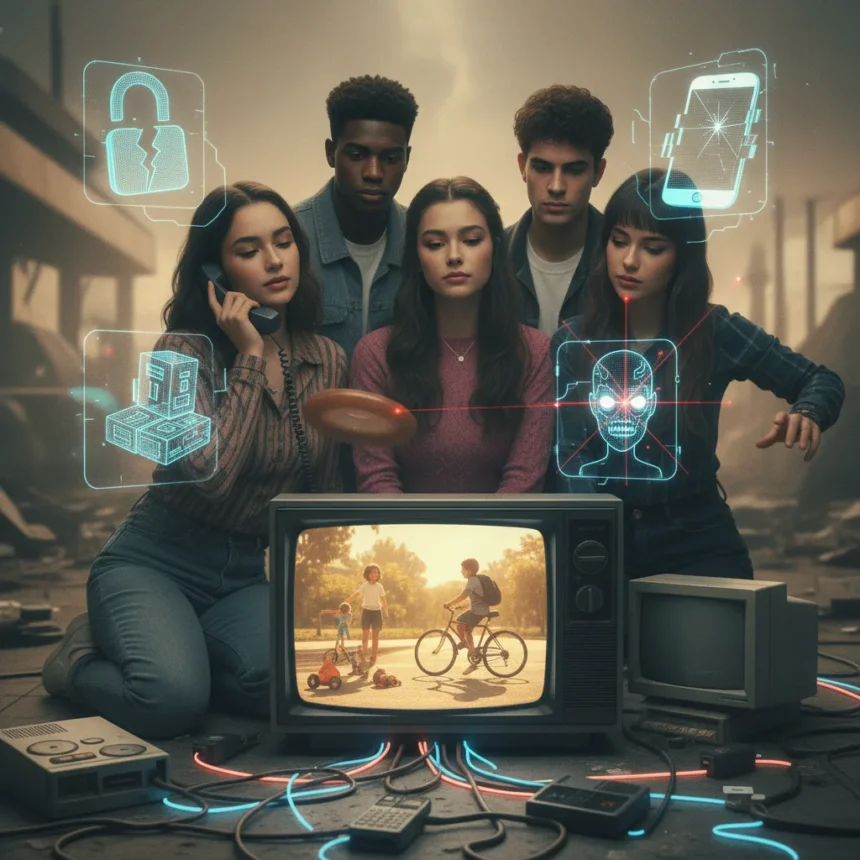
The Gen Z technology backlash is no longer a fringe complaint—it is mainstream dissatisfaction. According to an NBC News survey, 47% of those aged 18-29 say they would rather live in the past, citing trappings of modern tech including excessive subscriptions, declining product quality, artificial intelligence, harmful algorithms, and surveillance devices. This is not nostalgia for a simpler time. It is a direct indictment of the tech industry’s broken promises.
Key Takeaways
- 47% of Gen Z (aged 18-29) prefer living in the past due to modern tech issues, per NBC News survey
- AI risks now outweigh benefits for 48% of Gen Z, up from 37% in 2025
- Gen Z rejecting ownership model: subscriptions now dominate films, music, software, and storage
- Analog tech trend: young people embracing iPods, digital cameras, and de-digitalizing as status symbol
- January 2026 saw highest tech layoffs to start a year since 2009
Why Gen Z is abandoning modern technology
The Gen Z technology backlash stems from a fundamental shift in how tech is delivered and controlled. Young people are entering adulthood in a world where they own nothing—films, music, software, storage, even cars and printers exist behind subscription paywalls. This ownership-to-rental transition happened so gradually that few noticed until Gen Z looked up and realized they could not actually buy anything anymore. Pair that with the relentless push of AI into every corner of the digital experience, and the appeal of 1996 or 2006 suddenly makes sense.
The frustration runs deeper than mere inconvenience. Gen Z is watching AI risks outweigh benefits in their own estimation—48% of surveyed Gen Z respondents now say AI dangers exceed its advantages, a jump from 37% in 2025. Yet adoption continues. Around 47% use AI daily or weekly, and anxiety is climbing over the lack of guardrails and regulation despite widespread use. Young people are not rejecting technology itself. They are rejecting a system that demands their participation while offering no control, no ownership, and no transparency.
The subscription model has destroyed product quality
Gen Z complaints about declining product quality are not baseless. When a company can extract recurring revenue indefinitely, the incentive to build something that lasts disappears. A device that works for five years generates one sale. A subscription that runs for five years generates 60 monthly payments. The math is simple, and Gen Z understands it.



This economic reality explains why young people are turning to old technology—iPods, digital cameras, devices built before the subscription economy took over. These products were designed to be owned, repaired, and kept. They did not spy on users or push algorithmic content. They simply worked. The contrast between a 2006 digital camera and today’s smartphone—bloated with AI, tracked by algorithms, drained by background processes—is stark enough that Gen Z is choosing the older device on purpose. De-digitalizing has become a status symbol.
AI disillusionment marks a turning point for tech adoption
The shift in Gen Z sentiment toward AI between 2025 and 2026 is dramatic and telling. In just one year, the percentage believing AI risks outweigh benefits jumped 11 points to 48%. This is not the gradual skepticism of a new technology—this is rapid, widespread disillusionment. The excitement about AI has been replaced with anxiety about surveillance, job displacement, and the lack of any meaningful regulation.



What makes this backlash significant is that Gen Z has not stopped using AI. Daily and weekly usage remains stable at around 47%. Young people are not rejecting the tool—they are rejecting the hype, the forced integration, and the sense that they have no choice in the matter. They use AI because they have to, not because they want to. That distinction matters. It means the backlash is not about technology itself but about power, control, and the broken social contract between tech companies and users.
The year of analog and what it means for tech’s future
2026 is shaping up as the year analog fought back. The timing is not coincidental. January 2026 brought the highest number of tech layoffs to start a year since 2009, adding economic anxiety to the existing frustration. When people feel precarious, they retreat to what feels stable—and old technology, ironically, feels more stable than anything new. An iPod will not disappear because a startup ran out of funding. A digital camera will not lock you out because a platform changed its terms of service.
This analog trend is not a temporary fad. It reflects a genuine shift in how Gen Z views technology as a category. Young people are choosing in-person hobbies over digital ones, blocking apps and websites to reduce their digital footprint, and treating the ability to disconnect as a luxury. These choices signal that the tech industry has lost the cultural narrative. For decades, more technology was always the answer. Now, for nearly half of Gen Z, the answer is less.
Is Gen Z completely rejecting technology?
No. Gen Z is not abandoning technology—it is abandoning the specific model of technology that dominates today: surveillance-based, subscription-dependent, algorithm-driven, and unregulated. The appeal of old tech is not that it is old but that it operated under different economic and social assumptions. A 2006 digital camera was not collecting your biometric data or training AI models on your images. It took pictures. That simplicity is what Gen Z misses, and it is what the current tech industry refuses to offer.


What would make Gen Z trust technology again?
The research brief does not detail specific policy or product changes Gen Z believes would restore trust. However, the complaints are clear: fewer subscriptions, products designed to last, transparent algorithms, and genuine privacy protection. Until the tech industry addresses these structural issues—not with marketing campaigns but with actual business model changes—expect more young people to embrace the past.
The Gen Z technology backlash is a warning that the current model is unsustainable. When nearly half of an entire generation prefers living in the past, the industry should listen. The problem is not that young people dislike innovation. It is that they have stopped believing tech companies are innovating for their benefit. Restoring that trust requires more than new features—it requires a fundamental rethinking of who technology serves.
Where to Buy
Google Pixel 10a | Apple iPhone 17e
Edited by the All Things Geek team.
Source: TechRadar