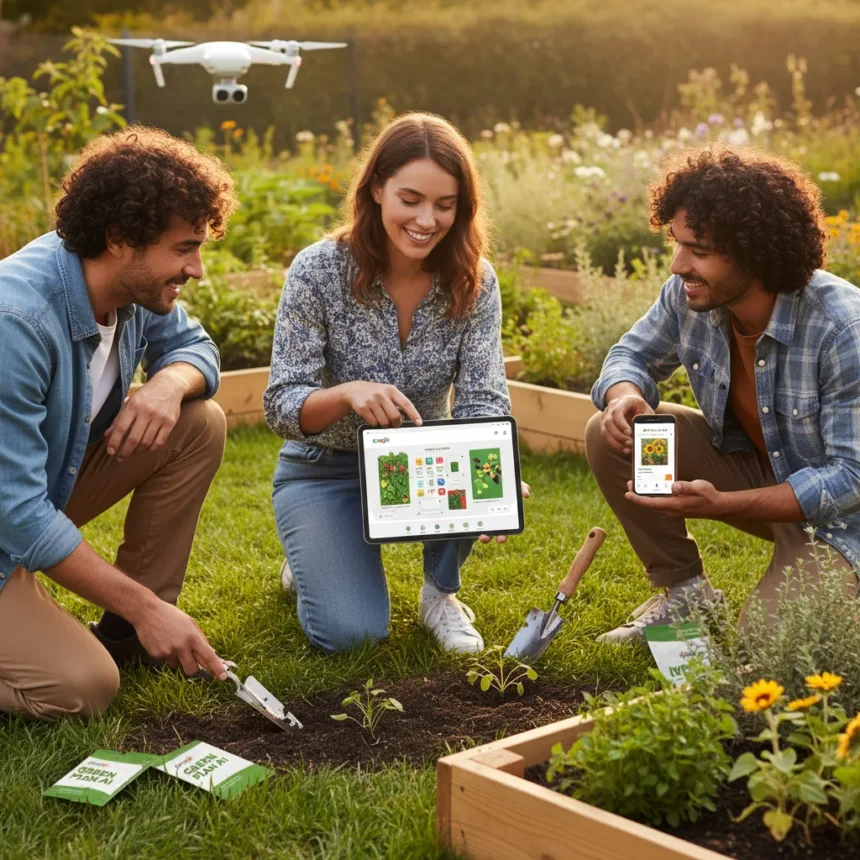
Using Google AI to plan a garden sounds like a gimmick until you actually try it. The difference between staring blankly at a garden center and walking out with a coherent plan is genuine, and Google’s AI tools—specifically AI Mode, Canvas, and Search Live—made that difference happen for one beginner gardener who expected to fail.
Key Takeaways
- Google AI tools can help beginners choose plants without prior gardening knowledge or experience.
- AI Mode, Canvas, and Search Live each serve different purposes in garden planning workflow.
- Mini gardens, chaos gardening, and apartment patios are trending gardening styles gaining mainstream attention.
- AI-generated garden plans provide practical confidence for beginners nervous about plant selection.
- Google’s AI tools reduce the intimidation factor that stops most people from starting a garden.
Why beginners struggle with garden planning
Gardening intimidates people because it demands knowledge that most don’t have. Plant compatibility, light requirements, soil conditions, seasonal timing—these aren’t intuitive. A beginner walking into a garden center faces hundreds of options with zero framework for deciding which plants work together, which survive in their climate, and which fit their space. The result is paralysis or impulse purchases that fail within weeks. That’s where AI intervention changes the equation entirely.
Google’s AI tools bypass the traditional path of reading gardening books or consulting expert gardeners. Instead, they provide immediate, personalized recommendations based on your specific constraints: space size, sunlight, climate zone, and aesthetic preference. This democratizes garden planning in a way that no gardening app has managed before.
How Google AI tools work together for garden planning
The experiment tested three distinct Google AI capabilities, each filling a different role. AI Mode handles the conversational brainstorming phase, Canvas creates visual garden layouts and plant lists, and Search Live pulls current trending garden styles into the planning process. Together, they form a workflow that feels less like using software and more like consulting a patient garden designer.



AI Mode starts the conversation. You describe your space, your goals, and your confidence level. The tool responds with clarifying questions and initial suggestions. Canvas then takes those suggestions and organizes them into a visual plan—a layout showing where plants go and why. Search Live brings real-world context, pulling information about trending garden styles like mini gardens and chaos gardening, ensuring your plan aligns with what’s actually popular and practical right now. The three tools don’t overlap; they complement each other in a way that feels intentional.
The surprising confidence factor
The most unexpected outcome wasn’t a perfect garden plan—it was the psychological shift. Beginners don’t fail at gardening because they lack physical skill. They fail because they doubt themselves before they start. AI removes that doubt by providing a reason to trust your choices. When an AI tool explains why a specific plant works in your space, and shows you a visual layout of how it fits with other plants, you stop second-guessing yourself. That confidence translates into actually buying the plants and planting them, rather than abandoning the project at the planning stage.



This effect matters more than the quality of the individual plant suggestions. A beginner armed with a mediocre AI-generated plan and high confidence will succeed more often than a beginner with a perfect plan and zero conviction. Google’s tools deliver both, which is why the results surprised.
Trending garden styles now within reach for beginners
Google’s AI tools surfaced mini gardens, chaos gardening, and apartment patios as trending styles. For beginners, this is useful because these styles are forgiving. Mini gardens work in small spaces and demand less maintenance. Chaos gardening—planting densely without rigid organization—actually suits beginners better than formal layouts because it hides mistakes. Apartment patios eliminate soil preparation entirely. By pointing beginners toward these trending, beginner-friendly styles, AI tools steer them away from ambitious projects that fail.
Comparing AI-assisted planning to traditional methods
Traditional garden planning relies on books, local nurseries, or hiring a landscape designer. Books are static and don’t adapt to your specific constraints. Nurseries offer advice but often push expensive plants. Designers cost hundreds or thousands of dollars. Google’s AI tools cost nothing and adapt instantly to your space, budget, and style preferences. They’re not replacing expert gardeners, but they’re eliminating the barrier that stops most people from even trying. For beginners, that’s the relevant comparison—not whether AI beats an expert, but whether it beats doing nothing.
Does AI actually make gardening easier for complete beginners?
Yes, but not because AI understands gardening better than humans. AI makes gardening easier because it removes the decision paralysis that precedes the actual work. A beginner with an AI-generated plan and visual layout will start gardening. A beginner without a plan will scroll through Pinterest for six months and never buy a single plant. The AI tool’s real value is forcing commitment through clarity.


Can you trust Google AI’s plant recommendations for your climate?
Google AI tools pull from broad databases and can make mistakes about regional specifics. They’re reliable for general plant compatibility and basic care requirements, but you should verify that recommended plants actually thrive in your specific hardiness zone before buying. The AI gives you a strong starting point, not a foolproof guarantee.
What garden styles work best with AI planning?
Beginner-friendly styles like mini gardens, container gardens, and chaos gardening benefit most from AI planning because they’re forgiving of mistakes. Formal gardens and specialized growing systems (like vegetable plots with specific crop rotation) require more expertise than AI can substitute for. Use AI for what it’s good at: choosing compatible plants and building confidence. Use human expertise for the specialized stuff.
The real takeaway from using Google AI to plan a garden is this: the tool doesn’t make you a better gardener, but it does make you a gardener. It removes the excuse to wait, the paralysis of choice, and the fear of failure. For beginners, that’s everything. The actual gardening—the dirt, the watering, the problem-solving—you’ll learn as you go. But you’ll actually start, and that’s the hardest part.
Edited by the All Things Geek team.
Source: Tom's Guide