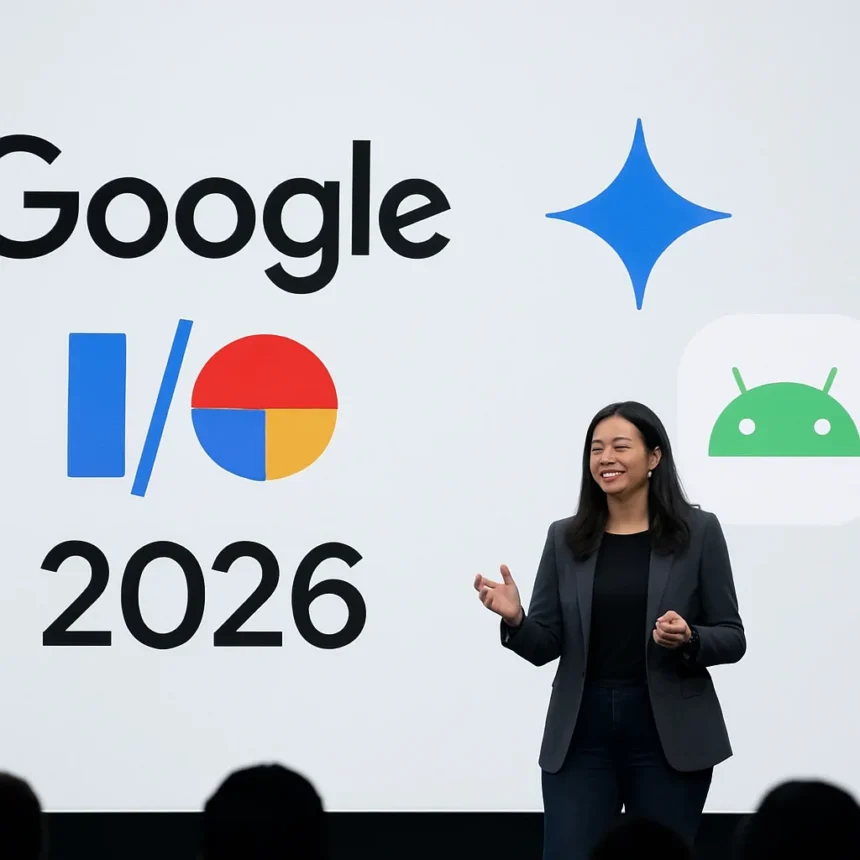
Google I/O 2026 kicks off today with the search giant expected to unveil major upgrades across its AI and extended-reality platforms. Google I/O 2026 is the company’s annual developer conference where it typically announces significant updates to Android, Gemini, Wear OS, and other core platforms. This year’s event is positioned around AI-first software and XR capabilities, signaling where Google sees the future of computing heading.
Key Takeaways
- Google I/O 2026 is happening today with live updates on Gemini and Android XR announcements
- The event is Google’s flagship annual developer conference showcasing platform updates
- Major expected topics include Gemini AI upgrades, Android 17, and extended-reality software
- The keynote is being livestreamed, allowing global developers to follow announcements in real time
- This year emphasizes AI integration and XR ecosystem development across Google’s product lineup
What to Expect from Google I/O 2026
Google I/O 2026 is expected to deliver significant announcements across multiple product categories. The conference title itself highlights Gemini upgrades and Android XR as primary focus areas, suggesting these represent Google’s strategic priorities for the coming year. Beyond those headline topics, the event is also anticipated to cover Android 17 updates, Wear OS improvements, and broader AI-first ecosystem announcements.
The timing of Google I/O 2026 matters for developers and consumers alike. Google uses this platform to set the direction for its software roadmap, and today’s announcements will shape how developers build for Android and integrate AI into their applications. The company’s emphasis on XR signals a competitive push against rivals investing heavily in spatial computing and mixed-reality experiences.
Gemini AI Upgrades and Integration
Gemini is expected to receive significant upgrades at Google I/O 2026, though the specific improvements remain to be announced. Google’s AI assistant has become central to the company’s strategy, and the developer conference is the natural venue to unveil new capabilities, expanded integrations, or performance improvements. These announcements typically include new features for developers, expanded API access, and consumer-facing improvements across Google’s product ecosystem.



The focus on Gemini reflects broader industry trends toward AI-first software design. Google is positioning Gemini not as a standalone chatbot but as an integrated layer across Android, Search, and other products. Today’s announcements will likely clarify how developers can build Gemini-native applications and what new capabilities the AI layer provides.
Android XR and Extended Reality Strategy
Android XR represents Google’s formal entry into extended-reality software, and Google I/O 2026 is expected to provide concrete details on this platform. XR encompasses both augmented reality and virtual reality, and Google’s version is designed to run on headsets and spatial computing devices. The company is competing in this space against Meta’s Quest ecosystem and Apple’s Vision Pro, making XR announcements a critical part of today’s keynote.



Extended-reality software requires different design paradigms than traditional mobile apps, and developers will need new tools, SDKs, and guidelines. Google I/O 2026 is the platform where Google typically releases these developer resources. The announcement of Android XR signals Google’s intention to be a major player in spatial computing, not just a software layer for third-party hardware.
Android 17 and Platform Updates
Android 17 is anticipated to be announced or detailed at Google I/O 2026, continuing Google’s annual release cycle. Each Android version brings new APIs, security improvements, and developer features. Today’s conference will reveal what priorities Google has set for the next version of its mobile operating system and how it integrates with the broader AI-first strategy.
Beyond Android itself, Wear OS improvements are also expected. Wearable software has become increasingly important as Google expands its ecosystem beyond phones. Updates to Wear OS typically include new watch faces, health features, and improved integration with Android phones.
How to Watch Google I/O 2026
Google I/O 2026 is being livestreamed, allowing anyone to follow the announcements live. The keynote and technical sessions are available through Google’s official channels, and tech publications including TechRadar are providing live coverage and real-time updates. For developers, the full event includes hands-on labs, breakout sessions, and networking opportunities, though those require in-person attendance or special registration.


The live blog format means updates are rolling throughout the day as announcements happen. Readers can follow along in real time or catch up on major announcements as they break. This approach gives everyone, regardless of timezone or availability, access to Google’s latest platform news.
Why Google I/O 2026 Matters Right Now
Google I/O 2026 arrives at a critical moment for the company. AI competition is intensifying, with OpenAI, Anthropic, and others pushing the boundaries of what AI assistants can do. Meanwhile, spatial computing is transitioning from niche to mainstream, with Apple, Meta, and now Google all investing heavily. Today’s announcements will clarify Google’s strategy in both areas and set expectations for developers building on Google’s platforms.
For Android developers, this conference is essential. It reveals what new APIs and capabilities are coming, what the company prioritizes, and where investment in new features will pay off. For consumers, the announcements preview the software experiences coming to their devices over the next year.
Is Google I/O 2026 open to the public?
Google I/O 2026 includes both public livestreamed keynotes and technical sessions, plus in-person developer labs and breakout sessions at the physical venue. The keynote and many sessions are freely available to watch online, but hands-on labs and some specialized sessions require registration or in-person attendance. Check Google’s official I/O website for specific session availability and registration details.
What is the difference between Google I/O 2026 and previous years?
Each year’s Google I/O focuses on different priorities. Google I/O 2026 is emphasizing AI-first software and extended reality, whereas previous years focused on mobile-first or cloud-first strategies. The addition of Android XR as a major announcement topic represents a significant shift in Google’s platform strategy compared to prior conferences.
When will Google I/O 2026 announcements be available?
Major announcements from Google I/O 2026 are being shared live today through the keynote and livestream. Detailed technical information, SDKs, and developer documentation typically become available within hours or days after the conference. TechRadar and other tech publications are providing live updates throughout the day, so readers can follow announcements as they happen.
Google I/O 2026 is shaping up to be a pivotal moment for the company’s AI and XR strategies. The announcements today will determine how developers approach building for Android and Google’s platforms over the next year. Whether you are a developer, a tech enthusiast, or simply curious about where Google is heading, today’s coverage is essential viewing. Follow along with live updates as the day unfolds.
Edited by the All Things Geek team.
Source: TechRadar