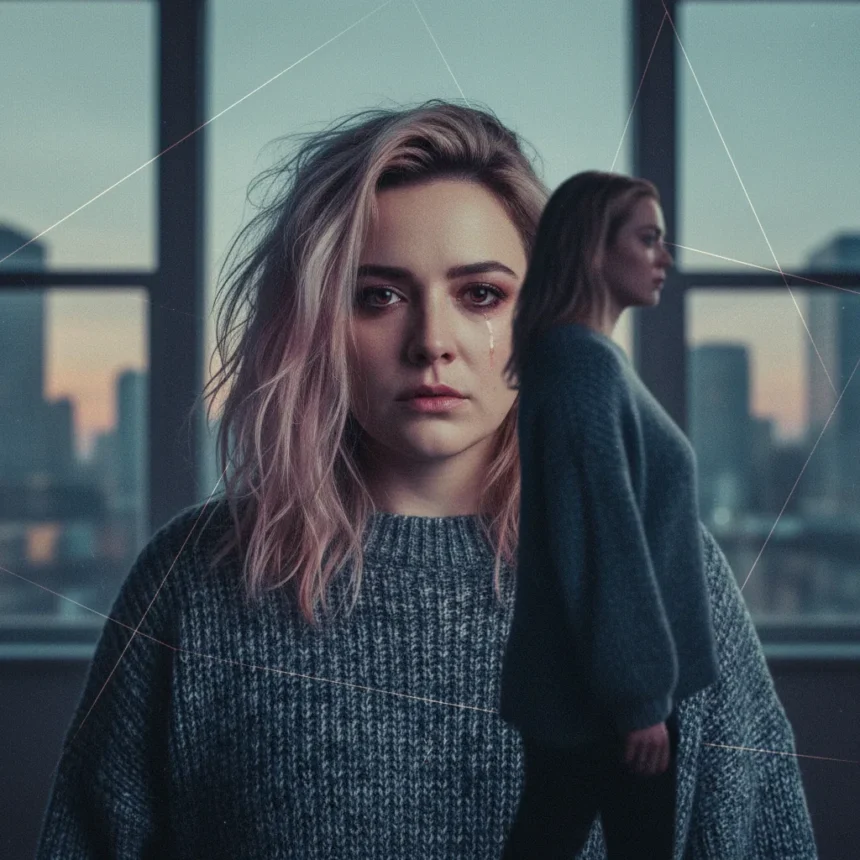
Big Mood season 2 arrives this spring on Tubi, and it marks Nicola Coughlan’s most daring performance yet—one that makes her Bridgerton role look like a warm-up act. The British comedy-drama, which airs on Channel 4 and streams on Tubi, returns with Coughlan reprising her role as Maggie, a character navigating bipolar disorder with unflinching honesty.
Key Takeaways
- Big Mood season 2 premieres spring 2026 on Tubi, reuniting Maggie and Eddie after a year apart.
- Nicola Coughlan plays Maggie, whose bipolar disorder drives the show’s emotional core.
- Rupert Everett joins the cast as a new character disrupts the central friendship.
- Season 2 explores mental health with a rawness that Coughlan describes as deeply unflinching.
- The show prioritizes realistic portrayal of mental illness over sentimentality or easy resolution.
Why Big Mood Season 2 Matters More Than Your Typical Prestige Drama
Big Mood season 2 doesn’t soften what came before. Season 1 ended with Maggie and Eddie’s friendship shattered—Maggie missed accompanying Eddie for an abortion because of a mental health crisis, a moment that felt genuinely devastating rather than dramatically convenient. Season 2 picks up one year later, with the two characters having had zero contact. That’s not a plot device. That’s a consequence.
The reunion happens at a wedding, which sounds like rom-com setup material. But this show refuses that tone. Instead, Maggie discovers that Eddie has formed a close friendship with Whitney, a new character described as an infuriatingly positive spiritual healer. The jealousy and questioning that follows—can this friendship actually be repaired?—feels earned because the show has never pretended that mental illness is something you overcome and move past cleanly.
Coughlan herself has spoken to the show’s approach with pride: the series is unflinching in its portrayal of bipolar disorder, and she hopes it will shift how audiences understand the condition. That statement matters. Most television treats mental illness as a plot point or a character flaw to overcome by episode’s end. Big Mood treats it as what it actually is: a part of how Maggie experiences the world, relationships, and herself.



The Cast Shake-Up That Changes Everything
Rupert Everett’s addition to the cast for season 2 signals that this show is willing to evolve beyond its central duo. Lydia West returns as Eddie, Maggie’s best friend, but the introduction of Whitney and Everett’s character creates new tensions and complications. The show isn’t retreading season 1’s ground—it’s asking harder questions about whether friendships can survive serious fractures, and what it costs to rebuild them.
What makes this casting choice work is that Big Mood has never been interested in easy answers. The addition of new characters doesn’t promise resolution. It promises complication. That’s the opposite of how most drama handles friendship stories, where a betrayal gets a tearful apology scene and everything resets. Here, a year of silence doesn’t get erased by a single conversation.



How Big Mood Season 2 Compares to the Prestige Drama Landscape
British comedy-dramas like Fleabag and Chewing Gum built audiences by mixing humor with genuine emotional stakes. Big Mood operates in that tradition but pushes further into mental health territory without the safety net of constant wit. Where Fleabag used humor to deflect, Big Mood uses it to survive. The distinction matters. Coughlan’s Maggie isn’t performing resilience for the audience—she’s struggling, failing, and sometimes finding small moments of connection that don’t resolve anything but feel real.
The show also avoids the trap of making mental illness noble or redemptive. Maggie’s bipolar disorder doesn’t make her special or wise. It makes her life harder. It damages her relationships. It requires constant management. That unflinching approach is what separates Big Mood from prestige dramas that use mental health as texture rather than substance.
Why Season 2 Timing Matters Right Now
Mental health conversations have shifted in popular culture, but television rarely reflects that shift with honesty. Most shows still treat bipolar disorder, depression, or anxiety as something to overcome, as though healing is linear and relationships can be repaired with sufficient effort and apology. Big Mood rejects that narrative entirely. Season 2 arrives when audiences are hungry for stories that don’t lie about what recovery actually looks like—which is often messy, incomplete, and ongoing.
The spring 2026 premiere date puts Big Mood season 2 in conversation with an audience that has grown tired of sanitized mental health representation. Coughlan’s willingness to inhabit Maggie’s unresolved pain, rather than perform a character arc toward acceptance, is exactly what makes this role her best work to date.



Is Big Mood season 2 worth watching if I haven’t seen season 1?
Season 1 is essential viewing. The reunion at the heart of season 2 only carries weight because you understand the fracture that caused it and the year of silence that followed. You can jump in, but you’ll miss the emotional foundation that makes season 2’s complications land.
Where can I watch Big Mood season 2?
Big Mood streams on Tubi and airs on Channel 4 in the UK. The show is a British import, so availability may vary by region, but Tubi is the primary streaming home for international audiences outside the UK.
Why is Nicola Coughlan’s role in Big Mood better than Bridgerton?
Bridgerton requires Coughlan to hit marks and deliver romance-plot beats. Big Mood requires her to embody the messy, unglamorous reality of living with bipolar disorder and navigating a fractured friendship without easy resolution. One is prestige television. The other is art.
Big Mood season 2 arrives when audiences need it most—a show that refuses to lie about mental illness or friendship, that treats Maggie’s struggles as ongoing rather than overcome, and that trusts viewers to sit with discomfort rather than offering false closure. Nicola Coughlan’s performance is the anchor, but the show’s commitment to unflinching storytelling is what makes it matter. This is television that respects both its subject and its audience.
Where to Buy
Amazon Prime Video – Free Trial
Edited by the All Things Geek team.
Source: Tom's Guide