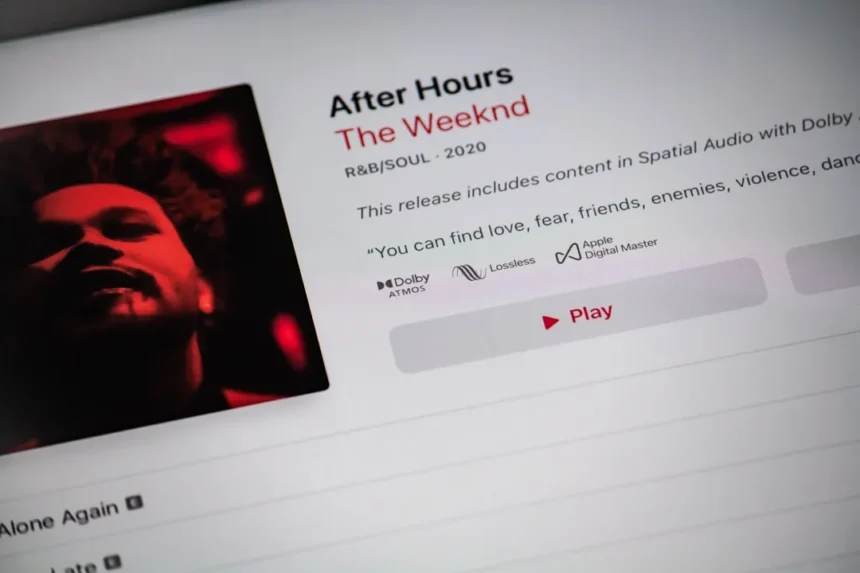
Dolby Atmos music mixing refers to object-based audio production that places instruments and sounds in a three-dimensional space using height, width, and depth, rather than the traditional two-dimensional stereo plane. A journalist’s visit to a professional recording studio to hear an Atmos mix firsthand has fundamentally shifted perceptions of spatial audio’s potential, revealing capabilities far beyond consumer headphone versions like Apple Music’s Spatial Audio.
Key Takeaways
- Dolby Atmos uses object-based audio to position instruments in 3D space, eliminating the spatial compromises inherent in stereo mixing.
- Professional Atmos mixes preserve musical dynamics and instrument separation without requiring heavy EQ carving or compression.
- Stereo mixing forces constant trade-offs—lowering one element to hear another—while Atmos allows mixers to simply move clashing sounds apart spatially.
- Consumer spatial audio on streaming platforms varies wildly in quality, with some Atmos tracks considered poorly executed or unnecessary.
- Full surround speaker systems with upward-firing drivers deliver more convincing height effects than soundbars for Atmos playback.
Why Professional Dolby Atmos Music Mixing Outpaces Stereo
The fundamental advantage of Dolby Atmos music mixing becomes obvious in a studio environment: it solves a problem stereo mixing has never truly addressed. In traditional stereo, when two instruments occupy similar frequency ranges—a Hammond organ and a guitar, for example—the mixer faces an impossible choice. Lower the Hammond to hear the guitar clearly. Push the guitar forward and lose the organ’s warmth. Neither option preserves the integrity of both performances. Atmos eliminates this dilemma entirely. Instead of fighting frequency battles, a mixer simply positions each element in three-dimensional space, giving every instrument breathing room without sacrificing dynamics or tone.
This spatial separation capability transforms how music is produced. Guitars, Hammonds, drums, and brass sections can occupy distinct positions in the listening space, maintaining their original character and power. A double-forte brass section in an Atmos mix sounds big and powerful—not compressed or limited to fit within a stereo image. The technology preserves what matters most: the raw energy and emotional impact of the performance. This is not a minor refinement. It is a fundamental rethinking of how music occupies acoustic space.
The Stereo Claustrophobia Problem Dolby Atmos Solves
Stereo mixing has always been claustrophobic. Two channels force endless compromise. A mixer must constantly choose what to EQ, what to compress, what to sacrifice. The result is music that sounds polished but constrained—every element fighting for attention in a narrow two-dimensional field. Dolby Atmos music mixing breaks this constraint by introducing a third dimension. Height channels and spatial positioning mean mixers no longer need to carve frequencies or limit dynamics to achieve clarity. They can keep the integrity of the music intact.



This matters because it changes what listeners actually hear. A well-mixed Atmos track preserves dynamics and separation that stereo mixes simply cannot maintain. The experience is noticeably more spacious, more immersive, and more true to the original performances. For genres like dance music—where impact and dynamic range matter enormously—Atmos’s ability to maintain power while achieving separation is transformative.
Consumer Spatial Audio Falls Short of Professional Atmos Potential
Here is where the conversation gets complicated. Apple Music’s Spatial Audio, Amazon Music, and Tidal all offer Dolby Atmos tracks to consumers. But the quality varies dramatically. Some Atmos mixes on streaming platforms are exceptional. Others feel like unnecessary gimmicks, poorly executed remixes that do not justify the technology. The difference comes down to mixing skill and professional attention. A great Atmos mix is immersive and emotionally powerful. A mediocre one feels forced and artificial.



This quality variance explains some skepticism about Atmos as the future of music. Listeners who encounter poorly mixed Atmos tracks on streaming services may dismiss the entire technology as hype. But that would be a mistake. The fault lies not with Dolby Atmos music mixing itself but with inconsistent execution by mixers and labels. Full Oasis catalogs have recently arrived on Apple Music in Spatial Audio, for example, giving mainstream audiences access to high-quality Atmos mixes. As more artists and labels invest in proper Atmos production, the average quality will rise.
The Hardware Question: Headphones vs. Surround Systems
Experiencing Dolby Atmos music mixing in a studio means hearing it through a professionally calibrated surround system with multiple speakers and height channels. Consumer playback is more limited. Headphone-based spatial audio adds height perception through processing, but it cannot match the immersive scale of a full speaker setup. For truly convincing Atmos playback at home, surround systems with upward-firing drivers significantly outperform soundbars in delivering believable height effects.
This hardware reality shapes adoption. Not every listener has space or budget for a full surround system. Headphone Atmos is accessible but compromised. Soundbars are convenient but limited. Only dedicated surround setups fully realize the potential of Dolby Atmos music mixing. This creates a tiered experience: studio Atmos is transcendent, home surround systems are very good, and headphone Atmos is a useful introduction. Understanding these distinctions matters for setting realistic expectations.
Is Dolby Atmos Music the Future, or Hype?
The question haunting the industry is whether Atmos will become the standard or remain a niche format. Stereo has dominated for decades. It is familiar, universally accessible, and good enough for most listeners. Why force adoption of a technology that requires new hardware, new mixing skills, and new thinking about how music occupies space? The answer is simple: because stereo is limited, and Atmos is not. Once you hear professional Dolby Atmos music mixing in a proper studio environment, stereo’s constraints become impossible to ignore.



But adoption depends on critical factors: consistent mixing quality, affordable playback hardware, and label investment in Atmos production. If Atmos mixes continue to vary wildly in quality—with some tracks considered masterfully executed and others dismissed as gimmicks—skepticism will persist. If hardware remains expensive or inconvenient, mainstream adoption will stall. The technology itself is sound. The execution and industry commitment are still uncertain.
What makes Dolby Atmos music mixing different from stereo?
Atmos uses object-based audio to position instruments in three-dimensional space, while stereo confines everything to a two-dimensional plane. This eliminates the constant mixing trade-offs—lowering one element to hear another—that stereo requires. Instruments maintain their original dynamics and tone without heavy EQ or compression.
Can I hear Dolby Atmos music on streaming services?
Yes. Apple Music, Tidal, and Amazon Music all offer Dolby Atmos tracks, including full catalogs like Oasis in Spatial Audio. Quality varies significantly between mixes, so listening to recommended test tracks first is wise before investing in surround hardware.
What equipment do I need for the best Dolby Atmos music experience?
A professional studio setup with multiple speakers and height channels delivers the most immersive experience. For home use, surround systems with upward-firing drivers significantly outperform soundbars. Headphone-based spatial audio is more limited but accessible without additional hardware.
The studio demo proved something skeptics have long doubted: Dolby Atmos music mixing is not hype. It is a genuine advance in how music can be produced and experienced. Whether it becomes the standard depends on the industry’s willingness to invest in quality Atmos production and listeners’ appetite for new hardware. But the technology itself has already won the argument. Stereo is not going anywhere, but its spatial limitations are now undeniable.
Edited by the All Things Geek team.
Source: What Hi-Fi?