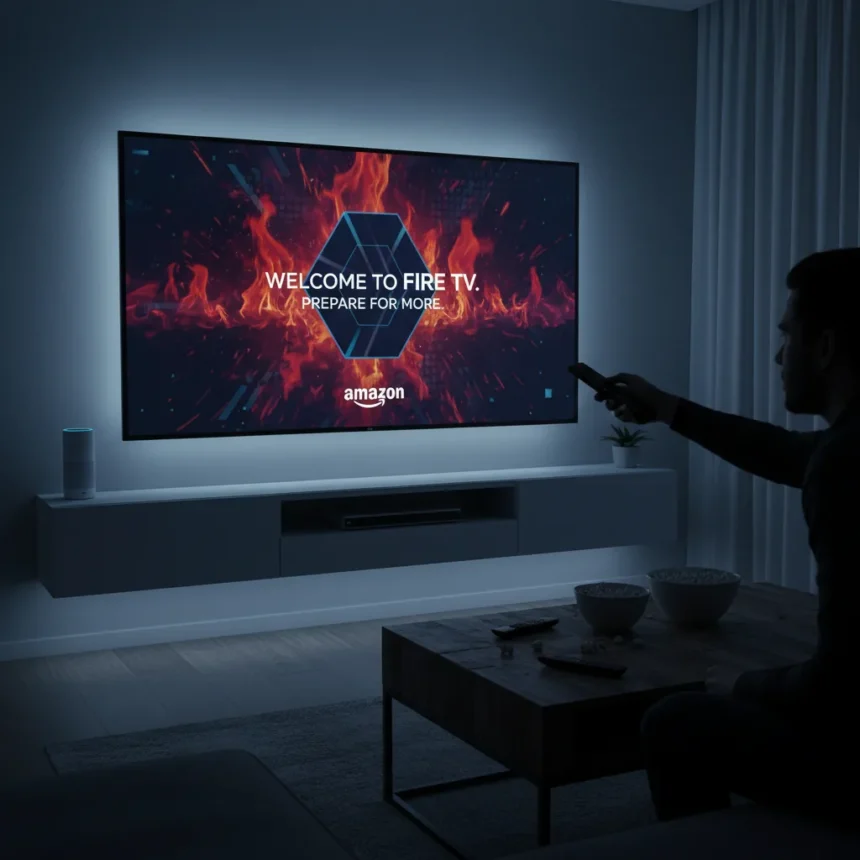
Fire TV’s advertising strategy is shifting in ways that should concern anyone who owns one of Amazon’s streaming devices. A new full-screen pop-up now appears at startup, interrupting the normal user experience before you even reach the home screen, and users are interpreting it as a warning sign that Amazon plans to open Fire TV advertising to third-party advertisers.
Key Takeaways
- A new full-screen pop-up now appears on Fire TV at startup, blocking access to the normal interface.
- Users worry this signals Amazon’s intent to expand Fire TV advertising beyond its own ecosystem.
- Third-party advertising on Fire TV could dramatically increase the number and type of ads shown at launch.
- The pop-up represents a potential shift in how Amazon monetizes its streaming platform.
- Consumer frustration centers on the loss of ad-free or minimally-ad experience on the device.
What Fire TV’s New Startup Pop-Up Actually Represents
The new full-screen startup pop-up is not simply a minor interface tweak. It is an aggressive interruption that forces users to acknowledge or dismiss content before they can access Fire TV’s core functionality. This represents a meaningful change in how Amazon treats the device’s user experience, and the timing matters. Streaming device manufacturers have historically resisted full-screen ad takeovers at startup because they damage user satisfaction and create friction at the moment someone turns on their TV. Amazon’s willingness to implement one anyway suggests the company sees advertising revenue as worth that friction cost.
What makes this move particularly significant is what it signals about Amazon’s longer-term plans. Users interpreting the pop-up as a precursor to third-party advertising have a logical basis for their concern. If Amazon is already comfortable interrupting the startup experience for its own promotions, the infrastructure and user acceptance threshold are already in place. The next step—selling that premium startup real estate to external advertisers—becomes a natural revenue expansion play.
Why Third-Party Advertising on Fire TV Could Change Everything
Currently, Fire TV advertising is largely confined to Amazon’s own ecosystem: promotions for Prime Video content, Amazon devices, and Amazon services. Users have grown accustomed to this baseline level of commercial messaging. Third-party advertising would fundamentally alter that equation. Instead of seeing Amazon-controlled content, users would see ads from any brand willing to pay for placement on Fire TV’s startup screen—potentially fast-food chains, automotive brands, insurance companies, or any advertiser seeking premium streaming device real estate.



The revenue opportunity is enormous, which is precisely why users are nervous. Streaming device manufacturers have discovered that ad-supported tiers and ad placement can generate substantial recurring revenue without requiring subscription price increases. For Amazon, opening Fire TV’s advertising inventory to third parties would represent a new monetization stream that could dwarf existing ad revenue. Users understand this math intuitively, and they are rightfully concerned that once that door opens, the volume and aggressiveness of ads will only increase over time.
Fire TV Advertising Strategy Compared to Competitor Approaches
Fire TV is not alone in monetizing streaming hardware through advertising. Roku has built much of its business model around ad-supported streaming, and users of Roku devices have experienced increasingly aggressive ad placement over the years. What distinguishes Amazon’s approach is that Fire TV has historically maintained a cleaner, less ad-saturated experience than competitors. Users chose Fire TV partly because it felt less commercial than alternatives. A shift toward third-party advertising would erase that differentiation and push Fire TV closer to the more ad-heavy models users actively avoid on other platforms.



The concern is not that advertising on streaming devices exists—it is that Amazon is erasing one of the few remaining advantages Fire TV held over fully ad-supported competitors. If Amazon opens the platform to third-party advertisers, Fire TV loses its positioning as the less intrusive option and becomes just another ad-delivery mechanism.
What Users Fear Most About This Trend
The startup pop-up is triggering anxiety among Fire TV users because it represents a loss of control and predictability. When you buy a streaming device, you expect a certain baseline experience: turn it on, see your apps, choose what to watch. A full-screen pop-up that forces interaction before you reach that baseline violates that expectation. If Amazon can do this for its own promotions, users reasonably assume third-party advertisers will demand the same treatment, and the device will become a billboard before it becomes a media player.
There is also a trust issue at play. Users who have invested in Fire TV devices and the Amazon ecosystem feel they have already paid for the privilege through device purchases and Prime subscriptions. Aggressive advertising on top of that feels like double-dipping, and the prospect of third-party ads feels like Amazon is monetizing the user relationship twice over—once through the device sale and again through ad inventory.
Could Amazon Actually Open Fire TV Advertising to Third Parties?
Technically and strategically, yes. Amazon already has the advertising infrastructure in place through its Amazon Ads division, which operates across multiple platforms. Extending that network to Fire TV’s startup screen would be a straightforward business decision. The company has shown willingness to prioritize ad revenue over user experience in other contexts, so the precedent exists. The only real barriers are competitive positioning and user backlash, and both of those can be managed if the revenue opportunity is large enough.



Whether Amazon actually executes this strategy remains to be seen, but the new startup pop-up suggests the company is testing user tolerance for screen takeovers. If users accept this without significant outcry or device abandonment, expect the next phase to arrive quietly in a software update.
Does the Fire TV pop-up affect all models and regions?
The available reporting does not specify which Fire TV models or regions are experiencing the new startup pop-up. Without verified details on rollout scope, it is unclear whether this is a global change or a limited test on specific device generations or markets.
Will Fire TV advertising become mandatory if third-party ads launch?
If Amazon does open Fire TV advertising to third parties, there is no indication the company would offer an ad-free tier or paid option to remove startup ads. Amazon’s track record with advertising on other platforms suggests commercialization would be universal across devices, though specifics remain speculative at this stage.
What can Fire TV users do if advertising becomes more aggressive?
Users frustrated with increasing ads on Fire TV have limited immediate options within the Amazon ecosystem. Switching to competitor devices like Roku or Apple TV would be the primary alternative, though those platforms have their own advertising strategies. Advocating for user-friendly policies through Amazon feedback channels is another avenue, though corporate response to such feedback is inconsistent.
The Fire TV startup pop-up is a small change with potentially massive implications. It is not the full-screen third-party advertising future yet, but it is the visible warning sign that such a future is being seriously considered. Users who value a less commercialized streaming experience should pay attention to how this rolls out and what comes next.
Edited by the All Things Geek team.
Source: TechRadar