





iTunes ownership versus streaming reveals a fundamental tension in how we consume music in 2026. When one tech writer sold off a physical CD collection, he rediscovered something streaming services deliberately obscure: owning music means never losing access to it.
Key Takeaways
- iTunes lets you own music permanently; streaming subscriptions end the moment you stop paying.
- Half of iTunes customers began buying after Apple Music launched, proving the download model survives.
- Personal digital libraries make listeners 44% more likely to prioritize artists’ opinions over algorithms.
- Streaming dominates by revenue ($4.7 billion US in 2025) but digital purchases still matter to superfans.
- Physical CDs degrade, but iTunes backups ensure your collection survives tech failures and account compromises.
Why iTunes ownership versus streaming still matters
The case for iTunes ownership versus streaming is simple: permanence. When you buy an album on iTunes, you own a DRM-free file that lives on your computer, your phone, your backup drive. If your Spotify account gets hacked, if your internet dies, if the service discontinues a song, your iTunes library remains untouched. Streaming services, by design, hold your music hostage to a monthly fee. Cancel your subscription, and your curated playlists, your saved albums, your listening history—gone.
This matters more in 2026 than it did a decade ago because streaming has become so convenient that we forgot what we surrendered. We traded ownership for seamlessness. Apple Music offers 100 million songs, offline playback, and curated playlists for $10.99 a month. Spotify’s algorithm is arguably better. But neither platform lets you truly own anything. iTunes does. And that distinction is no longer niche—it’s a power user’s secret weapon.
The superfan renaissance and iTunes’ unexpected strength
Here’s what the streaming industry doesn’t advertise: iTunes is thriving among the people who matter most to artists. Half of iTunes customers started buying on the platform after Apple Music launched in 2015, and nearly 50% of the top 10,000 best-selling albums each quarter are new releases. That means iTunes isn’t a graveyard of legacy purchasers—it’s where superfans actively buy music today.



Why? Because one iTunes purchase carries the weight of 1,000 paid Spotify streams or 2,500 ad-supported streams on Billboard charts. For artists, a devoted fan buying an album on iTunes is worth exponentially more than that same fan streaming it. And for listeners who care about supporting artists directly, iTunes makes that trade-off transparent. You are not funding an algorithm; you are funding the creator. Consumers with personal digital libraries are 44% more likely than average streamers to say that artists’ opinions matter to them. That is not accidental—it is the natural result of ownership psychology.
iTunes ownership versus streaming: the physical media wake-up call
The writer who sold his CD collection made a discovery: many of those discs no longer worked. Scratches, oxidation, manufacturing defects—physical media degrades. But here is the kicker: he had ripped those CDs to iTunes years earlier. His digital backups survived where the originals failed. That is iTunes ownership versus streaming in concrete terms. A Spotify stream is ephemeral. An iTunes file is a hedge against obsolescence.



Streaming services market themselves on convenience, and they deliver it. Spotify’s all-in-one interface, Apple Music’s lossless audio quality, the algorithmic rabbit holes—these are genuinely better for casual listening. But they collapse the moment your internet fails, your Bluetooth speaker disconnects, or a licensing deal expires and a song vanishes from the catalog. Physical CDs require no pairing, no internet, no subscription renewal. Neither does iTunes. That resilience is not sexy, but it is valuable.
Why the download market is shrinking—and why that matters
The numbers tell a sobering story. US digital album downloads fell 14% year-over-year in the first half of 2025, while streaming revenues hit $4.7 billion against digital downloads’ $139 million. Single downloads barely budged, down just 0.3%. The download market is contracting, not collapsing. That distinction matters because it means iTunes is not dead—it is specialized. It is no longer the default way people buy music. It is the way superfans, collectors, and people who value ownership buy music.
This is actually a win for iTunes, not a loss. As the download market shrinks, iTunes’ remaining users become more intentional. They are not impulse-buying singles at $0.99. They are buying albums, supporting artists, building personal libraries they control. That is a healthier business model than chasing casual streamers with algorithmic playlists.
Can iTunes compete with Spotify and Apple Music?
No. iTunes cannot and will not replace streaming. Streaming is cheaper, more convenient, and better for discovery. A $10.99 monthly subscription to Apple Music or Spotify is objectively better value for most people than buying individual albums at $9.99 each. But iTunes is not trying to compete on those terms. It is competing on ownership, permanence, and artist support. Those are different categories entirely.

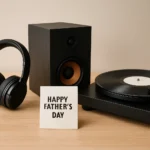

The real question is whether iTunes and streaming can coexist. For the listener who buys favorite albums on iTunes while streaming everything else on Spotify or Apple Music, they do. That is the hybrid model the writer in the original article described: stream for discovery, buy for ownership. It is not an either-or choice. It is a both-and strategy that leverages the strengths of each platform. Streaming is the radio station in your pocket. iTunes is the record collection on your shelf.
How does iTunes ownership compare to physical CDs?
Physical CDs offer one advantage iTunes cannot match: they require no technology beyond a CD player. No account, no software, no internet, no authentication. But CDs degrade. They scratch, they oxidize, they fail. iTunes files, stored on multiple devices and cloud backups, are more durable than any physical disc. If you want the permanence of physical media with the reliability of digital files, iTunes ownership is the logical choice.
Is iTunes worth buying music on in 2026?
It depends on your relationship with music. If you stream casually, subscribe to Spotify or Apple Music and call it a day. If you have favorite artists, if you want to support creators directly, if you value ownership and permanence, iTunes is worth the investment. One album purchase on iTunes supports artists more than a month of streaming. And unlike a streaming subscription, that purchase stays with you forever.
What happens to my iTunes library if Apple shuts down the service?
Your iTunes files remain yours. They are stored locally on your devices, not locked in Apple’s cloud. Even if iTunes as a store disappeared tomorrow, your DRM-free downloads would still play on any device you own. That is the core promise of iTunes ownership—independence from corporate infrastructure. Streaming offers no such guarantee.
The resurgence of iTunes ownership versus streaming is not about nostalgia or rejecting progress. It is about recognizing that different listening habits demand different tools. Streaming won the convenience war. But ownership never stopped mattering to the people who care most about music. In 2026, iTunes is where those people buy.
Edited by the All Things Geek team.
Source: TechRadar




