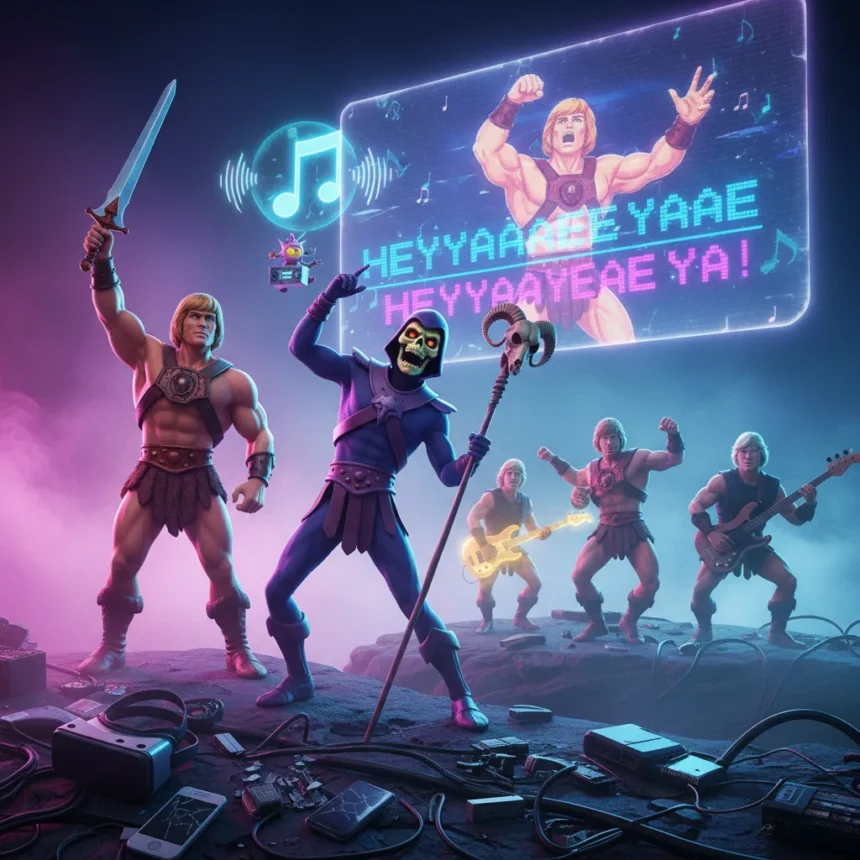
The new Masters of the Universe film is leaning directly into internet culture. Director Travis Knight has confirmed that the movie includes a deliberate reference to what he calls the greatest He-Man meme of all time, and the song that plays over the meme sequence is actually used in the film itself.
Key Takeaways
- The Masters of the Universe meme reference is intentional, not accidental fan service.
- The song associated with the meme appears in the actual movie soundtrack.
- Director Travis Knight acknowledges the meme as a cultural touchstone worth honoring.
- The film signals a willingness to engage with internet fandom and meme culture.
- This approach differs from earlier He-Man adaptations that ignored online fan communities.
Masters of the Universe Meme Reference Signals Fandom-First Filmmaking
What once seemed like a niche internet in-joke has become mainstream enough that a major film production is willing to build a scene around it. The Masters of the Universe meme reference represents a deliberate choice by Knight and his team to acknowledge the cultural moments that shaped how modern audiences experience the He-Man franchise. Rather than treating meme culture as something to avoid or downplay, the filmmakers have embedded it directly into the narrative.
This is a significant shift in how franchises approach their source material and fan communities. Previous He-Man adaptations treated the property as a straightforward action-adventure story, ignoring the layers of internet commentary and remix culture that have surrounded the character for years. By contrast, the new film demonstrates awareness that today’s audiences arrive with existing memories, jokes, and shared references already embedded in their heads.
The Song That Bridges Meme and Film
The most interesting detail is that the song heard in the meme doesn’t simply appear as a background joke or Easter egg—it’s genuinely integrated into the movie‘s audio design. This suggests the meme reference isn’t a throwaway moment but a sequence given enough narrative weight to warrant its own musical accompaniment. The decision to use the actual song rather than a cover or homage version shows confidence that audiences will recognize and appreciate the callback.



Using recognizable audio from internet culture in a theatrical film carries risk. The meme song might date the film or feel forced to viewers unfamiliar with the reference. That Knight and his team chose this approach anyway indicates they believe the audience for Masters of the Universe is sophisticated enough to handle layered, self-aware storytelling that respects both the original source material and the internet’s ongoing relationship with it.
Why Meme Culture Matters to Modern Filmmaking
The Masters of the Universe meme reference reflects a broader shift in how franchises engage with their fanbases. Memes are no longer dismissed as low-quality, disposable content—they’re recognized as a legitimate form of cultural expression and community building. When a major film studio acknowledges a meme, it’s validating that these moments matter to how people experience and remember entertainment.



This approach also creates a form of cultural shorthand. Audiences who know the meme instantly understand the filmmakers’ sense of humor and their relationship to the franchise. For viewers unfamiliar with the reference, the sequence still functions as a moment of levity or character development. The meme reference works on multiple levels simultaneously, rewarding both casual viewers and deep-cut fans.
Does the Masters of the Universe meme reference spoil the movie’s tone?
No. A meme reference integrated into the film’s narrative suggests the movie has confidence in its own storytelling and doesn’t need to be entirely serious or self-important. The inclusion signals that the filmmakers understand they’re working with material that has both dramatic weight and inherent absurdity—and that’s okay.
How does this compare to other franchise callbacks?
Many franchises include Easter eggs or nods to fan culture, but few commit to actually using the associated audio or music. Most references remain visual gags that land only if you catch them. The Masters of the Universe approach—embedding the meme’s actual song into the soundtrack—is more direct and respectful of the source material’s cultural significance.
Will the meme reference alienate viewers who don’t know it?
Unlikely. While the reference will resonate most strongly with audiences familiar with He-Man meme culture, the scene should function independently as a moment of character or plot development. The song choice may feel distinctive or memorable even to viewers encountering it for the first time, and context clues within the film should make the moment land regardless of prior meme knowledge.


The Masters of the Universe meme reference is more than a cute in-joke—it’s evidence that modern filmmaking is finally catching up to how audiences actually consume and remember entertainment. When a major studio is willing to build a scene around internet culture and commit to its authenticity by using the original audio, it signals respect for both the source material and the communities that have kept these stories alive online. That’s worth paying attention to.
Edited by the All Things Geek team.
Source: TechRadar