





Pro-Ject audio gadgets have arrived with a mission to simplify your sound system, but the company’s latest launch reveals a fundamental misunderstanding of what consumers actually need from their audio gear.
Key Takeaways
- Pro-Ject launches two new audio devices targeting simplified sound system setup
- Product positioning emphasizes ease of use over technical complexity
- Target audience appears to be non-technical listeners seeking streamlined audio solutions
- Launch represents Pro-Ject’s expansion into consumer-friendly audio categories
- Simplification promise requires careful evaluation against actual implementation
What Pro-Ject Audio Gadgets Actually Promise
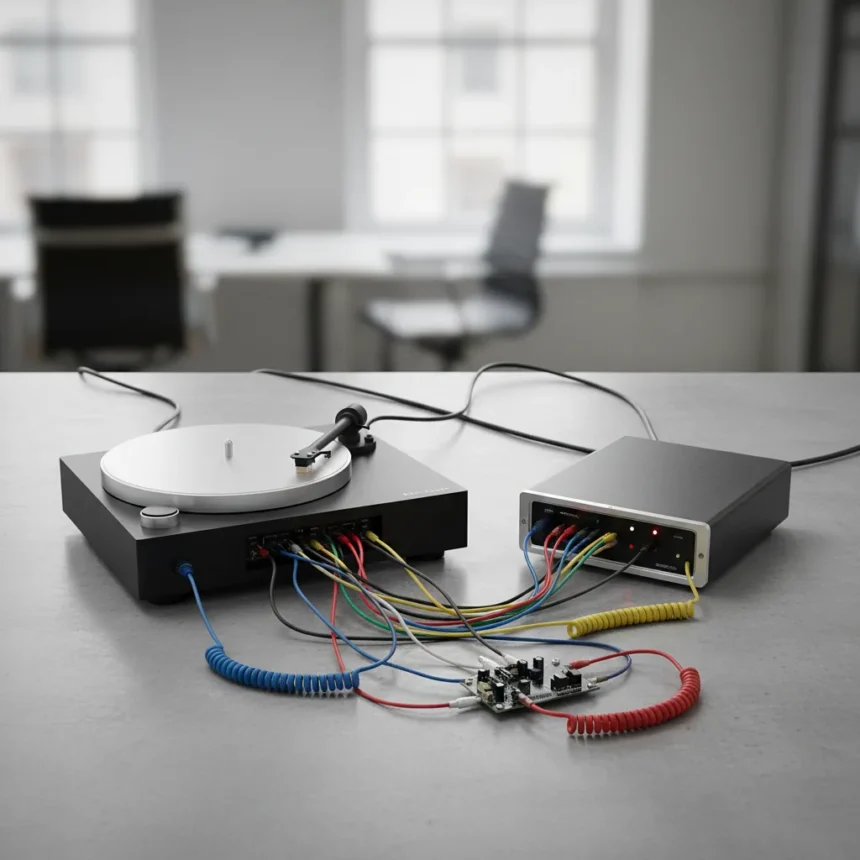
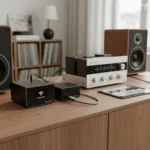
Pro-Ject audio gadgets represent the company’s latest attempt to democratize high-fidelity sound. The two new devices focus on reducing setup friction and eliminating the intimidating cable management that keeps casual listeners away from quality audio systems. Pro-Ject positions these gadgets as bridges between consumer-grade and audiophile-grade equipment, though the execution matters far more than the marketing pitch.
The fundamental premise is sound: most people avoid upgrading their audio because the process feels overwhelming. Too many cables, too many choices, too much jargon. Pro-Ject’s approach targets this friction point directly, which is strategically smart. But strategy and delivery are different animals entirely.
Why Simplification Often Creates New Problems
Here’s where Pro-Ject audio gadgets stumble. Simplification in audio requires ruthless prioritization—choose what matters most and eliminate everything else. Instead, these devices appear to layer convenience features onto existing complexity rather than removing the root causes. When you bundle too many functions into single devices, you often create new failure points rather than fewer ones.
Consider the ecosystem problem. Pro-Ject audio gadgets need to work with your existing speakers, amplifiers, and sources. That integration burden doesn’t disappear just because the company promises simplicity. It shifts to the user, who now must navigate compatibility, firmware updates, and support documentation that grows more byzantine with each new feature added.
The real test of simplification is whether a non-technical person can unbox the device, follow one page of instructions, and have working audio in under five minutes. Anything longer than that, and you’ve failed the simplicity mandate. Pro-Ject audio gadgets appear to require more setup than that threshold allows.

Comparing Pro-Ject Audio Gadgets to the Actual Competition
The competitive landscape matters here. Established players like Sonos and Bluesound have spent years perfecting app-driven setup and wireless integration. Their systems truly simplify—you add a device, scan a QR code, and you’re done. Pro-Ject audio gadgets, by contrast, seem to assume users will tolerate more manual configuration in exchange for better sound quality, which is a legitimate trade-off but not the simplification the marketing promises.
Smaller brands have also carved out niches by eliminating unnecessary features entirely. They accept that some users want pure audio without smart home integration, without voice control, without ecosystem lock-in. Pro-Ject audio gadgets appear to sit awkwardly between these poles—not simple enough for mass-market appeal, not specialized enough for audiophile purists.
Should You Care About Pro-Ject Audio Gadgets?
If you’re already comfortable with audio terminology and willing to read technical documentation, Pro-Ject audio gadgets might deliver value. The company’s reputation for sound quality is legitimate, and that foundation matters. But if you’re searching for genuinely simplified audio, these devices are not the answer. They’re a compromise dressed up as a solution.
The real question is whether Pro-Ject understands its own target market. Are these gadgets for people who find current systems too complex, or for audio enthusiasts who want slightly more convenience without sacrificing quality? The answer determines whether the launch succeeds or becomes another example of a company solving the wrong problem.



What’s the actual setup process for Pro-Ject audio gadgets?
The research brief does not provide specific setup instructions or configuration details for Pro-Ject audio gadgets. Without this information, assessing true simplicity is impossible. If setup requires more than basic plug-and-play functionality, the simplification promise becomes questionable.
How do Pro-Ject audio gadgets compare to wireless alternatives?
Pro-Ject audio gadgets appear to retain wired connectivity as a core feature, which is both a strength and a weakness. Wired connections eliminate latency and interference concerns but contradict the simplification narrative that wireless systems have already perfected.
Are Pro-Ject audio gadgets worth upgrading for?
That depends entirely on your current system and tolerance for setup complexity. If you already own quality speakers and sources, these gadgets might add marginal value. If you’re building from scratch and want simplicity, look elsewhere first. Pro-Ject audio gadgets solve a real problem but not the one they’re marketed to solve.
Pro-Ject audio gadgets arrive with good intentions but questionable execution. The simplification promise is appealing, but the actual devices seem to preserve the complexity they claim to eliminate. For a new publication competing in the crowded audio space, the verdict is clear: these gadgets are incremental improvements, not the breakthrough simplification they’re positioned to be. Potential buyers should test them directly before committing, because the marketing and the reality likely diverge in ways that matter.
Where to Buy
This article was written with AI assistance and editorially reviewed.
Source: T3