






The WiiM Bar soundbar is WiiM’s latest entry into the crowded soundbar market, emphasizing a prominent front display and aggressive pricing that directly challenges Sonos’s dominance. The device arrives at a moment when soundbar buyers are increasingly demanding both visual feedback and affordable alternatives to premium-priced competitors. But does a compelling display and lower cost translate to a soundbar worth buying?
Key Takeaways
- WiiM Bar features a porthole-style front display that outperforms Samsung’s equivalent implementation
- Positioned as a price-conscious alternative to Sonos soundbars, undercutting comparable models
- Related WiiM audio products include touch-capacitive, glossy displays prone to fingerprints
- WiiM’s room correction is more flawed than competitors, with reduced low-end presence
- Design emphasizes rounded edges and cloth-wrapped grille construction
WiiM Bar Soundbar Display: Where It Wins Against Samsung
The WiiM Bar soundbar’s standout feature is its front-facing display, which the source frames as superior to Samsung’s implementation. According to TechRadar’s testing of related WiiM audio products, the built-in screen opens up practical functionality—picking audio sources, adjusting EQ profiles, and displaying album artwork. This is more than decorative; it transforms how users interact with their soundbar without reaching for a phone or remote.
However, the display comes with trade-offs. WiiM’s touch-capacitive, glossy screen is reflective and prone to fingerprints, creating maintenance headaches over time. The reflective nature also means it lacks the visual punch that HDR content might suggest, especially in brightly lit rooms. Still, when directly compared to Samsung’s approach, WiiM’s porthole-style design appears more thoughtfully integrated into the soundbar’s overall aesthetic, featuring rounded edges and a cloth-wrapped grille that feels more premium than its price suggests.
WiiM Bar Soundbar Pricing Strategy: Undercutting Sonos
The WiiM Bar soundbar is positioned as a Sonos-busting alternative, and the pricing strategy backs that claim. While the exact WiiM Bar price remains unconfirmed in current specifications, related WiiM audio products sit at roughly $299, positioning them below the Sonos Era 100 at $219 and closer to mid-range Sonos models. This pricing approach targets buyers who want smart features and visual feedback without paying Sonos’s premium—a compelling pitch for price-conscious households.

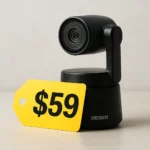

The value proposition hinges on whether those cost savings justify compromises elsewhere. Sonos’s ecosystem integration and multi-room audio capabilities remain industry-leading, and the Era 100’s lower price point makes the choice less clear-cut than WiiM’s marketing suggests. For buyers prioritizing display functionality and budget constraints, the WiiM Bar soundbar makes sense. For those seeking pure audio fidelity, the calculation shifts.
Audio Quality: Where the WiiM Bar Soundbar Falls Short
Here’s where the WiiM Bar soundbar stumbles. According to TechRadar’s comparative testing, WiiM’s room correction is more flawed than Sonos’s, and the soundbar’s audio can feel neutered due to a lack of low-end clout. This is a critical weakness for a device priced to compete with established brands. A compelling display and attractive price mean little if the soundbar fails at its primary job—delivering quality audio.



The reduced bass response isn’t a minor quibble; it fundamentally changes how movies sound and how music translates through the system. Sonos’s design prioritizes audio depth from the outset, whereas WiiM appears to have invested more heavily in the display and interface. For buyers whose primary concern is movie nights and music listening, this trade-off may prove frustrating. The WiiM Bar soundbar works best for users who value convenience and visual information as much as raw audio performance.
Design and Build Quality
The WiiM Bar soundbar adopts a modern aesthetic with rounded edges and a cloth-wrapped grille that feels more refined than typical budget soundbars. The porthole-style display sits front and center, immediately differentiating it from competitors. This design choice prioritizes usability—users can see what’s playing without powering on a separate screen or checking their phone.
The downside is maintenance. The glossy, touch-capacitive display attracts greasy marks and fingerprints, requiring regular cleaning to maintain its appearance. For a soundbar that costs several hundred dollars, this feels like a design oversight. A matte finish or oleophobic coating would have solved the problem, but WiiM chose the glossy approach instead.
Should You Buy the WiiM Bar Soundbar?
The WiiM Bar soundbar makes sense if you prioritize display functionality, budget constraints, and smart home integration over absolute audio fidelity. It’s a solid choice for kitchens, bedrooms, or secondary living spaces where convenience matters more than concert-hall sound quality. If you’re upgrading from a TV’s built-in speakers, the WiiM Bar soundbar will feel like a significant step forward.



However, if you’re replacing an existing quality soundbar or prioritizing pure audio performance, Sonos remains the safer bet despite the higher price. The WiiM Bar soundbar is a competent device that excels in specific use cases but compromises on the fundamentals that define a great soundbar.
How does the WiiM Bar soundbar compare to the Sonos Era 100?
The Sonos Era 100 costs less and delivers superior audio depth, but lacks the WiiM Bar soundbar’s prominent front display and visual feedback features. Choose Sonos for audio-first priorities, WiiM for display-centric usability.
Does the WiiM Bar soundbar have room correction?
Yes, but WiiM’s room correction implementation is less refined than Sonos’s, resulting in flatter, less dynamic sound. This is a notable weakness for a device competing in the mid-range soundbar market.
Is the WiiM Bar soundbar’s display prone to damage?
The touch-capacitive, glossy display attracts fingerprints and greasy marks easily, requiring regular cleaning. It’s also reflective, which can reduce visibility in bright rooms. Users should expect ongoing maintenance to keep it looking pristine.
The WiiM Bar soundbar represents an interesting bet on what modern soundbar buyers actually want. It doubles down on display and price while accepting compromises on audio depth. For the right buyer—someone who values visual feedback and budget-conscious shopping—it’s a compelling option. For everyone else, the trade-offs may prove frustrating over time.
Edited by the All Things Geek team.
Source: T3




