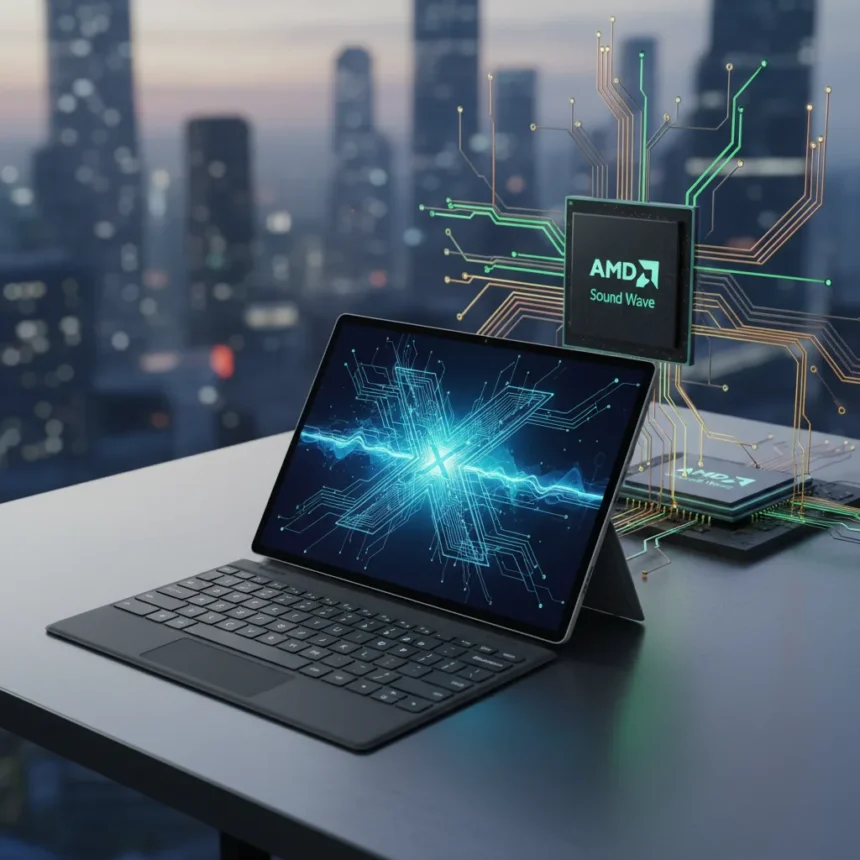
The ARM-based Surface Pro X was ahead of its time—so far ahead that Microsoft killed it before the market caught up. Now, with silicon performance finally matching the promise and competitors like MacBook Neo forcing Microsoft’s hand, the company is preparing to resurrect the fanless tablet form factor in 2026 with a diversified chip strategy that includes AMD’s new Sound Wave processor alongside Qualcomm’s latest silicon.
Key Takeaways
- Microsoft plans 2026 Surface devices with AMD’s ARM-based Sound Wave chip, marking the first AMD processor in Surface since Laptop 4.
- Qualcomm Snapdragon X2 chips expected September 2026 for flagship Surface Pro 12 and Laptop 8 models.
- Spring 2026 releases coming with Snapdragon X2 for consumers and Intel Panther Lake for business.
- Surface Pro X featured Microsoft’s thinnest design but was retired as ARM silicon performance lagged.
- Broader ecosystem shift: Lenovo, HP, and Dell prepping next-gen Windows ARM devices for 2026.
Why the ARM-based Surface Pro X Matters Now
The original Surface Pro X was a design achievement that arrived at the wrong moment. Microsoft engineered its thinnest tablet ever around ARM architecture, betting that performance would catch up to x86 compatibility. It didn’t—not quickly enough. The device languished in reviews and sales, and Microsoft quietly discontinued it. But that discontinuation was a timing problem, not a design problem. ARM processors have since matured dramatically. Qualcomm’s Snapdragon X Elite and X Plus now power the current Surface Pro 11 and Laptop 7, delivering competitive performance against Intel chips while maintaining superior battery efficiency. The moment ARM performance lagged is gone.
What changed is the market pressure. Apple’s MacBook Neo is coming as a credible threat to Windows dominance in the ultraportable category. Microsoft cannot afford to cede the thinnest, most elegant Windows tablet to Apple’s ecosystem. Reviving the ARM-based Surface Pro X—or at least its spiritual successor—is not nostalgia. It is strategic necessity.
AMD Sound Wave and the 2026 Lineup Strategy
According to leaker KeplerL2, Microsoft is planning Surface PCs with AMD’s Arm-based Sound Wave chip for 2026, specifically designed for the Surface lineup. This is significant for two reasons. First, it marks the first AMD processor in a Surface device since the Surface Laptop 4, indicating Microsoft is diversifying its ARM supply chain beyond Qualcomm. Second, the leaked specs for Sound Wave suggest lower performance than Qualcomm Snapdragon X Elite, which positions the chip for low-power devices—exactly the fanless, thin-and-light category where the original Surface Pro X thrived. Sound Wave is likely destined for a refreshed Surface Go or a new fanless Surface Hub, not flagship models.


Flagship duty falls to Qualcomm. The Snapdragon X2 is expected in September 2026, arriving in the Surface Pro 12-inch and Laptop 8 by fall 2026. Meanwhile, spring 2026 will see new Surface Pro and Laptop models with Snapdragon X2 for consumers and Intel Panther Lake for business customers, arriving by June 20. This three-tier strategy—AMD Sound Wave for efficiency, Snapdragon X2 for flagship performance, Intel Panther Lake for enterprise—reflects Microsoft’s recognition that one chip cannot serve all markets.
The Broader Windows ARM Shift
Microsoft is not alone in this pivot. Lenovo, HP, and Dell are all preparing next-generation Windows ARM devices for 2026. NVIDIA is also rumored to be developing an Arm-based Windows PC chip for the same timeframe, adding a fourth player to the ecosystem. This is a tectonic shift in Windows hardware strategy—moving away from Intel’s dominance toward a diversified ARM ecosystem. The original Surface Pro X was a lonely voice in that conversation. By 2026, it will be the mainstream.



Current pricing shows where Microsoft is positioning its ARM strategy. The Surface Pro 12-inch with Snapdragon X Plus costs around $849.99 on Amazon, placing it in the budget-to-midrange segment. The forthcoming Snapdragon X2 models will likely command premium pricing, while AMD Sound Wave devices will undercut both, targeting users who prioritize thinness and fanless operation over raw performance. This segmentation makes sense: not every user needs flagship speed, and fanless design appeals strongly to professionals in quiet environments like studios, libraries, and courtrooms.
When Will the ARM-based Surface Pro X Return?
Microsoft has not officially announced a Surface Pro X revival, but the timeline is clear. AMD Sound Wave devices are coming in 2026, with exact product names and availability still under wraps. The Snapdragon X2 flagships—Pro 12 and Laptop 8—are expected by fall 2026, following the September chip launch. Spring 2026 will deliver the first wave of new models with both Snapdragon X2 and Intel Panther Lake options. For Surface enthusiasts, the wait is measured in months, not years.
The question is not whether Microsoft will revive the ARM-based Surface Pro X concept—the evidence suggests it already is. The question is whether the market has matured enough to embrace it. ARM performance has caught up. Design has remained a Microsoft strength. And now, market pressure from Apple and ecosystem momentum from OEM partners make the timing feel right. The ARM-based Surface Pro X may finally get its second act.
Will the 2026 Surface Pro X use the AMD Sound Wave chip?
Leaked information suggests AMD Sound Wave is designed for the 2026 Surface lineup, but specific device assignments remain unconfirmed. Sound Wave’s lower performance profile compared to Snapdragon X Elite indicates it is likely intended for low-power devices like a refreshed Surface Go or Surface Hub, not a flagship Pro X model. Flagship Surface Pro and Laptop models are expected to use Snapdragon X2 for fall 2026 release.



How does the ARM-based Surface Pro X compare to current Surface Pro 11?
The current Surface Pro 11 uses Qualcomm Snapdragon X Plus, delivering strong performance and battery efficiency for a Windows tablet. A revived ARM-based Surface Pro X would likely use either AMD Sound Wave (for ultra-thin, fanless design) or Snapdragon X2 (for flagship performance), positioning it as either a specialized efficiency device or a performance upgrade depending on the chip choice. The key differentiator would be fanless design and thinness, not processing power alone.
When are the new Surface models arriving in 2026?
Spring 2026 brings the first wave of new Surface Pro and Laptop models with Snapdragon X2 for consumers and Intel Panther Lake for business, arriving by June 20. Flagship Surface Pro 12 and Laptop 8 with Snapdragon X2 are expected by fall 2026, following the September chip launch. AMD Sound Wave Surface devices are also planned for 2026, though specific availability dates have not been announced.
The ARM-based Surface Pro X may have been too early the first time around, but Microsoft’s 2026 strategy suggests the company learned that lesson. With three different ARM and efficiency chips launching across the Surface lineup, and competitors finally validating the thin-and-light form factor, the conditions for a successful revival are in place. The question now is whether Microsoft will brand it as a comeback or simply let the design speak for itself.
Edited by the All Things Geek team.
Source: Windows Central