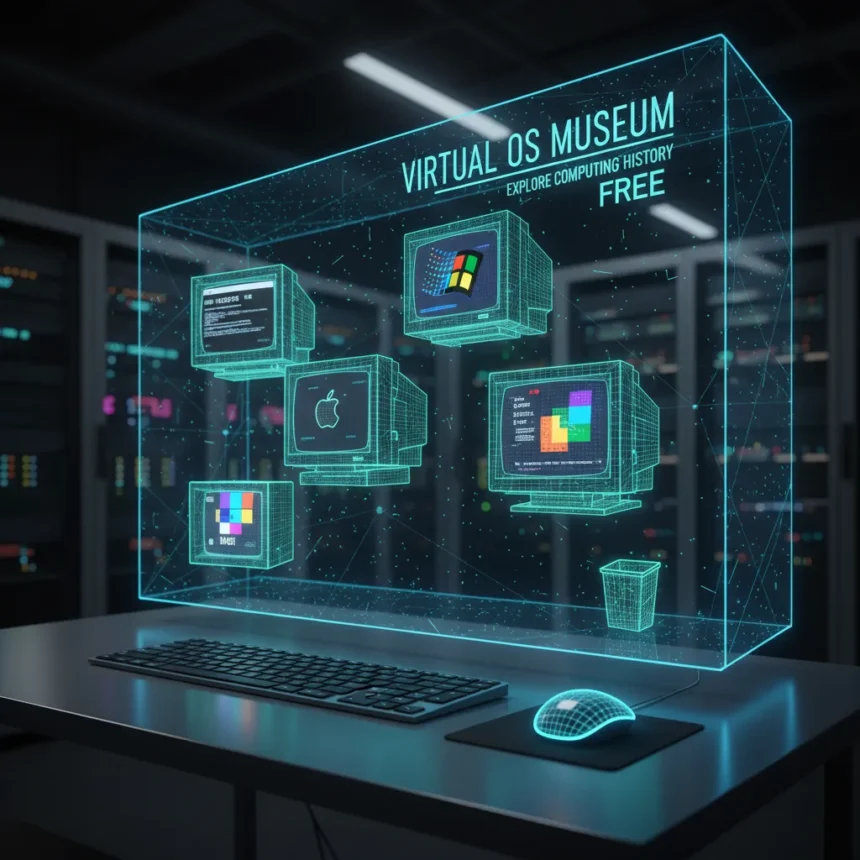
The Virtual OS Museum is a free, open-access digital archive that lets users explore the history of operating systems in an interactive, nostalgic format. The museum is accessible to anyone with a web browser, making computing history available without paywalls or registration barriers.
Key Takeaways
- The Virtual OS Museum is completely open to all users with no cost or registration required.
- The platform lets you revisit and explore historical operating systems through a digital interface.
- It serves as a nostalgic time capsule for computing enthusiasts and casual history buffs alike.
- The museum approach to OS history differs from traditional technical documentation by emphasizing accessibility and exploration.
- No specific launch date or ownership details are publicly disclosed in available materials.
What Makes the Virtual OS Museum Stand Out
The Virtual OS Museum distinguishes itself by presenting operating system history as an accessible, interactive experience rather than a dry technical archive. The platform’s design philosophy prioritizes public access—it is free and open to everyone, removing barriers that typically gatekeep computing history behind academic databases or specialized software. This approach transforms what could be niche technical documentation into a browsable museum exhibit that appeals to both nostalgic enthusiasts and curious learners exploring how computers evolved.
The museum format itself is significant. Instead of reading dense specifications or release notes, visitors can engage with operating systems through a visual, exploratory interface. This makes computing history tangible and engaging, allowing users to understand not just what changed between OS versions, but how the user experience itself transformed across decades of development.
Why Operating System History Matters Now
In an era where most users interact only with current operating systems—Windows, macOS, Linux, or mobile variants—the deeper history of computing is largely invisible. The Virtual OS Museum fills that gap by documenting how we got here. Understanding OS evolution provides context for why modern systems are designed the way they are, what problems earlier systems solved, and what trade-offs shaped computing’s trajectory.


The nostalgic angle is real but secondary. The primary value is educational: seeing how interface design, system architecture, and user workflows have evolved over decades offers genuine insights into technology’s progress. For developers, this history illuminates design decisions that still influence modern software. For casual users, it’s a window into how differently people once interacted with computers.
Virtual OS Museum vs. Traditional Computing Archives
Traditional computing history resources—university collections, corporate archives, specialized museums—often require physical visits, institutional access, or technical expertise to navigate. The Virtual OS Museum removes these friction points. Where a researcher might need to visit a physical location or request archival access, the museum is instantly available from anywhere. This democratization of computing history is its core strength.



The platform also emphasizes exploration over documentation. Academic archives prioritize completeness and metadata; the museum prioritizes discovery and engagement. A user browsing the Virtual OS Museum can stumble upon forgotten operating systems or unexpected design choices in ways that feel more like exploration than research.
How to Access the Virtual OS Museum
Getting started is straightforward: the museum is open to all, meaning no account creation, subscription, or payment is required. Simply visiting the platform with any web browser grants immediate access to its full collection. This low barrier to entry is intentional—the creators designed the museum for maximum accessibility, ensuring that anyone curious about computing history can explore without friction.
The interface is designed for browsing rather than searching, encouraging serendipitous discovery. Users can navigate through different eras of operating systems, explore specific platforms, or jump between exhibits based on interest rather than following a predetermined path.
Is the Virtual OS Museum Worth Your Time?
For anyone with even passing interest in computing, the answer is yes. The museum costs nothing and demands nothing in return—no registration, no ads, no hidden paywalls. Spending 15 minutes exploring decades of OS design is time well spent, whether you’re a developer seeking historical context, a tech enthusiast chasing nostalgia, or simply curious about how computers have changed. The Virtual OS Museum proves that computing history doesn’t need to be locked away in institutions or paywalled behind subscriptions.



What operating systems are featured in the Virtual OS Museum?
The available materials do not specify which exact operating systems are included in the museum’s collection. The platform focuses on OS history broadly, but the precise roster of featured systems is not detailed in current public documentation.
Is there a mobile app for the Virtual OS Museum?
No mobile app information is available in current materials. The museum is web-based and accessible through any browser, making it usable on mobile devices via the web interface, but a dedicated mobile application has not been announced.
Can I contribute to the Virtual OS Museum?
Contribution details are not specified in available information. The museum is described as an open, public resource, but whether users can submit exhibits, historical documents, or other content is unclear from current documentation.
The Virtual OS Museum succeeds because it does one thing exceptionally well: it makes computing history accessible. In a technology landscape obsessed with the newest release, the museum reminds us that understanding where we came from matters. For free, instantly, without barriers, anyone can now step back in time and explore how operating systems shaped the digital world.
Edited by the All Things Geek team.
Source: T3