The Pokémon Switch 2 bundle represents a rare misfire from Nintendo—a collaboration that looked promising on paper but stumbled in execution. When Nintendo announced the Pokémon Pokopia Switch 2 bundle, expectations were high. Fans anticipated something that would justify the premium positioning and capture the nostalgia that makes Pokémon one of gaming’s most bankable franchises. Instead, the bundle delivered a cautious, half-hearted effort that left collectors and casual players alike disappointed.
Key Takeaways
- The Pokémon Switch 2 bundle failed to offer exclusive content or unique design elements that justified its premium positioning.
- Nintendo prioritized safe, generic aesthetics over bold, collectible-worthy customization.
- The bundle lacked meaningful differentiation from standard Switch 2 hardware, reducing its appeal to core Pokémon fans.
- Competitors and previous Nintendo collaborations set higher bars for licensed hardware bundles.
- Missed opportunities in packaging, accessories, and digital content weakened the overall value proposition.
What Made the Pokémon Switch 2 Bundle Underwhelming
The core problem with the Pokémon Switch 2 bundle is straightforward: it played it safe when it should have taken risks. Nintendo has a track record of delivering visually striking, collectible-worthy hardware collaborations. The Pokémon Pokopia Switch 2 bundle, however, felt like a checkbox exercise—a branded product that existed primarily because the licensing opportunity was there, not because Nintendo had a compelling creative vision for it.
The aesthetic choices underscore this disconnect. Rather than embracing Pokopia’s distinctive visual identity or creating a genuinely memorable design language, the bundle opted for muted, generic styling that could belong to any number of Switch 2 variants. Collectors purchase limited-edition hardware for distinctiveness. When a Pokémon collaboration looks indistinguishable from a standard console with a thin layer of branding applied, it fails the fundamental test of why someone would pay a premium.
Compare this to Nintendo’s stronger hardware collaborations. Previous special-edition Switch models demonstrated that bold color choices, textured finishes, and integrated thematic elements could elevate a bundle from novelty to genuine collectible. The Pokémon Pokopia bundle abandoned that playbook entirely, opting instead for restraint that reads as timidity.
Missing Accessories and Digital Content Opportunities
Beyond the console itself, the Pokémon Switch 2 bundle failed to leverage complementary products that could have justified its premium price. Successful hardware bundles pair the device with thoughtfully curated accessories—custom controllers, protective cases, or exclusive carrying solutions that extend the collectible appeal beyond the console alone.
The bundle’s accessory package was sparse and forgettable. Rather than including custom Joy-Cons that reflected Pokopia’s character design language, or a protective dock that doubled as a display piece, Nintendo shipped standard components. This missed the opportunity to create a cohesive ecosystem where every element of the bundle felt intentional and exclusive.
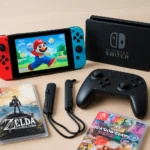
Equally problematic was the absence of meaningful digital content. A Pokémon collaboration could have bundled exclusive in-game cosmetics, character skins, or early access to content—items that cost Nintendo virtually nothing to produce but add perceived value for buyers. The lack of digital sweeteners made the bundle feel even more like a straightforward hardware refresh with a logo slapped on the box.
How Previous Nintendo Collaborations Set a Higher Bar
Nintendo’s history with licensed and themed hardware demonstrates that the company knows how to execute these partnerships well when it commits. Past special editions have balanced brand authenticity with genuine design innovation, creating products that fans actively sought out rather than merely tolerated.
The Pokémon Pokopia Switch 2 bundle, by contrast, reads as a missed learning opportunity. Rather than studying what worked in previous collaborations and applying those lessons, Nintendo appeared to approach this partnership with minimal creative investment. The result is a product that exists in an awkward middle ground—too generic to excite collectors, too expensive to appeal to casual buyers seeking a standard console.
The gap between what the Pokémon Switch 2 bundle could have been and what it actually is represents a broader issue: not every licensing opportunity deserves a hardware collaboration. Sometimes a good partnership requires saying no, or at minimum, investing the creative effort necessary to make the product worth the premium fans are being asked to pay.

Should You Buy the Pokémon Switch 2 Bundle?
Unless you are a completionist Pokémon collector who must own every official variant, the Pokémon Switch 2 bundle does not justify its premium over a standard console. The lack of exclusive content, uninspired design, and sparse accessories mean you are paying more for less. A standard Switch 2 paired with a third-party custom controller and a digital Pokémon game offers better value and more personality.
What would have made the Pokémon Switch 2 bundle worth buying?
Bold, thematic design choices that made the console instantly recognizable. Custom controllers featuring Pokopia characters. Exclusive digital cosmetics or early game access. A premium carrying case that doubled as display-worthy packaging. Any combination of these elements would have transformed the bundle from an afterthought into a genuine collector’s item.
How does this bundle compare to other licensed Switch consoles?
Previous Nintendo collaborations demonstrated significantly more ambition in design and execution. The Pokémon Pokopia bundle falls short of that standard, offering fewer distinctive visual elements and minimal accessory value compared to other special-edition hardware Nintendo has released.
The Pokémon Switch 2 bundle is a reminder that not every collaboration succeeds, and brand power alone cannot carry a mediocre product. Nintendo had the opportunity to create something special—a console that Pokémon fans would treasure for years. Instead, it delivered a forgettable variant that will likely be forgotten within months. That is not just a missed opportunity; it is a failure to respect both the Pokémon franchise and the fans who wanted to believe in this partnership.
Where to Buy
Edited by the All Things Geek team.
Source: Creativebloq