





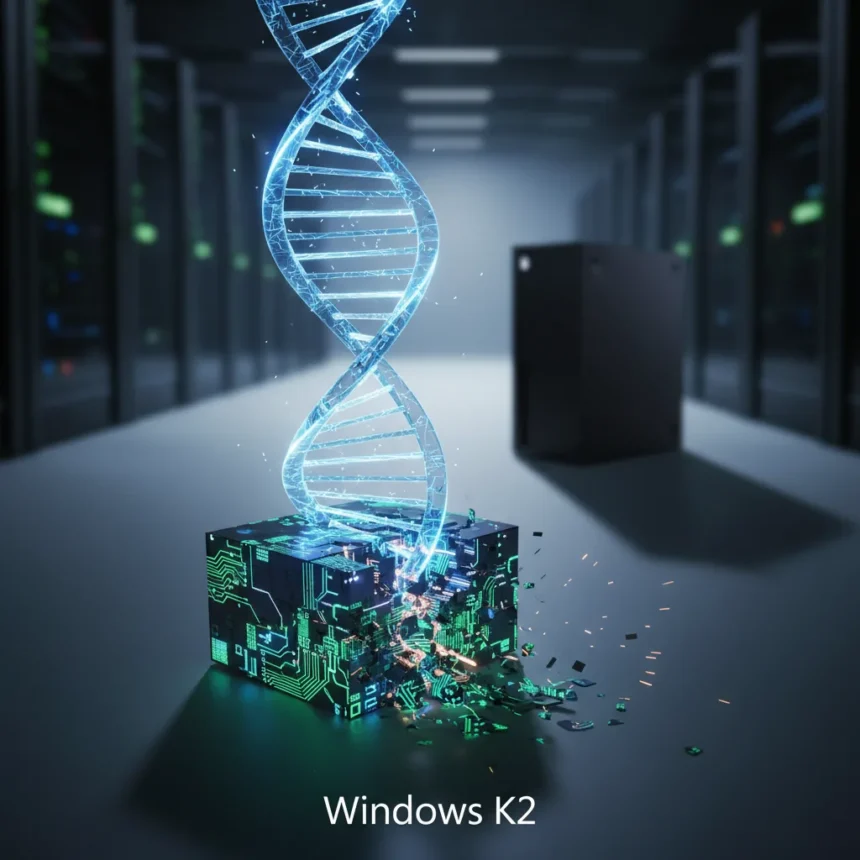
Project Helix Windows K2 represents a fundamental shift in how Microsoft thinks about its gaming future—and that shift contains a critical vulnerability. Rather than pursuing a traditional console refresh, Xbox is betting its next generation on deep integration with Windows K2, Microsoft’s upcoming platform initiative. The problem is not the hardware vision itself, but whether Microsoft can execute the software strategy that makes it work.
Key Takeaways
- Project Helix’s success depends heavily on Windows K2 implementation and execution.
- The strategy moves away from standalone console design toward Windows-integrated gaming.
- Understanding the Project Helix Windows K2 connection fundamentally changes how we evaluate next-gen Xbox prospects.
- Software platform decisions may matter more than raw hardware specifications for this generation.
- The real risk is not the concept, but Microsoft’s ability to deliver cohesive ecosystem integration.
Why Project Helix Windows K2 Integration Changes Everything
Project Helix Windows K2 integration represents a departure from the traditional Xbox playbook. Instead of building a isolated gaming device, Microsoft is positioning the next-generation console as a specialized expression of a broader Windows platform. This is not a minor engineering choice—it is a fundamental architectural decision that determines whether the hardware succeeds or fails.
The conventional next-gen console approach involves optimizing silicon for gaming performance, securing exclusive software, and creating a closed ecosystem. Project Helix Windows K2 strategy inverts this logic. The console becomes a vehicle for Windows K2’s capabilities, which means the console’s viability depends on whether Windows K2 itself delivers a compelling experience. If Windows K2 stumbles, the entire Project Helix value proposition becomes unclear.
The Central Flaw: Software Dependency Over Hardware Dominance
Project Helix Windows K2 dependency creates a single point of failure that traditional consoles avoided. A PlayStation or Switch can succeed or fail based on game exclusives and hardware reliability. But Project Helix cannot escape the Windows K2 question: what does this platform offer that existing gaming PCs, Steam Deck, or current-generation consoles do not?



This is where the architecture reveals its weakness. If Windows K2 is merely an incremental update to Windows 11, Project Helix becomes a niche device competing against established platforms with no clear advantage. If Windows K2 is a radical reimagining of the Windows experience, then Project Helix has a story to tell. The console hardware itself is almost secondary. The real product is the Windows K2 ecosystem, and the console is just one way to access it.
Microsoft has not yet demonstrated how Windows K2 solves problems that existing platforms ignore. That gap—between the architectural ambition and the actual user benefit—is where Project Helix’s flaw lives.


How This Differs From Traditional Next-Gen Console Strategy
PlayStation and Nintendo build consoles first, then align software to that hardware. Project Helix Windows K2 reverses the priority. The platform comes first; the console is the expression. This is philosophically interesting but operationally risky.
A traditional console manufacturer can launch hardware with a strong software roadmap and build the ecosystem over time. Project Helix Windows K2 strategy requires both the hardware and the platform to launch in sync, or one undermines the other. If Windows K2 launches without clear gaming-focused features, Project Helix has no story. If Project Helix launches before Windows K2 is ready, it becomes a console looking for a purpose.
The comparison matters because it shows why industry skepticism exists. Consoles work when the hardware is the hero. Project Helix Windows K2 asks gamers to care about platform philosophy instead, which is a much harder sell.
What Needs to Happen for Project Helix Windows K2 to Work
For this strategy to succeed, Windows K2 must deliver tangible benefits that justify the architectural complexity. These could include seamless cross-device play, unified game libraries, or performance optimizations impossible on current Windows. But Microsoft has not articulated these benefits clearly, which means Project Helix Windows K2 remains a theoretical strategy rather than a consumer promise.



The timeline also matters. If Windows K2 launches significantly before or after Project Helix, the strategy fractures. Microsoft needs both to arrive in harmony, with clear messaging about why the console is the best way to experience Windows K2. That coordination is harder than it sounds, especially across different Microsoft divisions with different incentives.
Can Microsoft Pull Off Project Helix Windows K2 Execution?
Microsoft’s track record with platform integration is mixed. Windows 11 launched with unfulfilled promises about performance and user experience. Xbox Game Pass has been successful, but it is a software service layered on top of existing hardware, not an integrated platform rethink. Project Helix Windows K2 demands both: a new platform and a new device that work together from day one.
The risk is not that the idea is bad. The risk is that Microsoft underestimates the execution complexity and launches Project Helix before Windows K2 is ready, or vice versa. When that happens—and history suggests it will—the console becomes a device searching for a reason to exist.
Is Windows K2 the key to Project Helix’s success?
Yes. Project Helix Windows K2 connection is not incidental; it is the entire strategy. The hardware is secondary. If Windows K2 fails to deliver a compelling platform experience, Project Helix fails regardless of processor speed or graphics performance. Microsoft is betting the next Xbox generation on software platform execution, which is a bold but risky bet.
What happens if Windows K2 launches late?
If Windows K2 misses its target launch window, Project Helix becomes a console without a platform to justify its existence. It would compete as a traditional device against PlayStation and Nintendo, where it has no established advantage. The Project Helix Windows K2 strategy only works if both arrive together with clear messaging about their relationship.
How does Project Helix Windows K2 compare to PlayStation 6 strategy?
Sony is pursuing traditional console evolution: better hardware, exclusive games, incremental software improvements. Project Helix Windows K2 is a platform-first strategy that treats the console as one expression of a broader ecosystem. This is fundamentally different. PlayStation 6 will succeed or fail based on game exclusives and hardware performance. Project Helix succeeds or fails based on whether Windows K2 becomes essential to how people compute and play.
Project Helix Windows K2 represents an ambitious rethink of what a console should be. The flaw is not the vision—it is the execution risk. Microsoft is asking gamers to trust that Windows K2 will deliver something meaningful, and so far, that case remains unmade. Until Windows K2 proves its value as a platform, Project Helix remains a hardware solution searching for a problem that only Windows K2 can solve.
Edited by the All Things Geek team.
Source: Windows Central