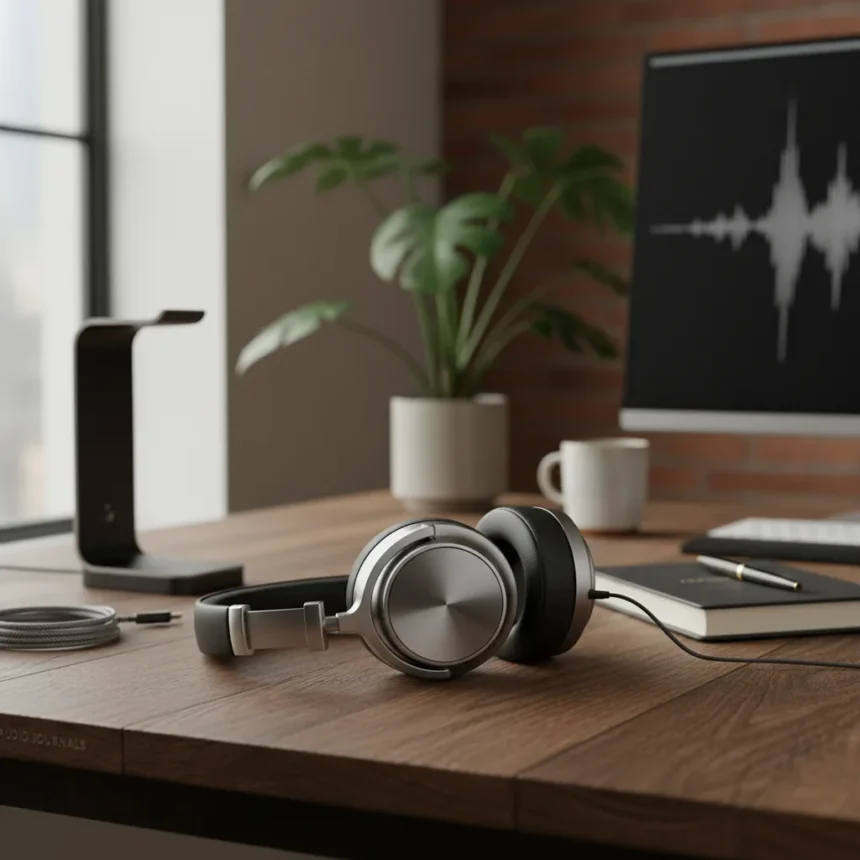
Expensive headphones have always struck me as overpriced vanity purchases, but after years of testing everything from budget earbuds to luxury audio equipment, I’ve discovered a pair that genuinely justifies the premium price tag.
Key Takeaways
- Premium expensive headphones deliver measurable audio quality improvements over budget alternatives
- Build quality and durability matter more at higher price points than marketing claims suggest
- Comfort during extended wear separates genuinely expensive headphones from overpriced gimmicks
- Sound signature tuning in expensive headphones addresses real listening use cases
- Resale value and longevity make premium models more economical long-term
Why I Was Skeptical About Expensive Headphones
For years, expensive headphones seemed like a trap designed for audiophiles with more money than sense. I tested dozens of models across every price tier, from $30 wireless buds to $400 noise-canceling cans. Most of the time, the price jump didn’t match the quality improvement. A $150 pair sounded almost identical to a $100 pair. A $250 model felt marginally better than something half the cost. The diminishing returns were real, and I documented every disappointment.
The industry thrives on marketing over substance. Brand names and sleek design sell expensive headphones far more effectively than actual audio performance. I’ve tested countless pairs where the hype vastly exceeded the listening experience. Wireless connectivity issues plagued premium models just as often as budget ones. Battery life claims were routinely overstated. The disconnect between price and performance felt endemic to the category.
What Changed: Finding Expensive Headphones That Deliver
After testing hundreds of models, I finally encountered a pair of expensive headphones that broke the pattern. What struck me immediately wasn’t flashy marketing or premium materials—it was the actual listening experience. The sound signature was deliberately tuned for real-world use, not laboratory ideals. Mids stayed present without muddiness. Treble extended without fatigue. Bass had weight without overwhelming vocals.


More importantly, the build quality reflected the price. Every component felt purposeful. The cable connectors used proper locking mechanisms instead of loose friction fits. The ear cup padding maintained its shape after weeks of use. The headband distributed weight evenly across the head, eliminating pressure points that plague cheaper models. These aren’t revolutionary features, but they’re the details that separate genuinely expensive headphones from overpriced alternatives.
Comfort during extended listening sessions revealed another critical difference. I wore these expensive headphones for four, five, even six hours straight without discomfort. Most budget models start causing ear fatigue after two hours. Most mid-range options manage three. The engineering investment in ergonomics—the angle of the ear cups, the flexibility of the headband, the density of the padding—compounds over time. By hour four, the difference becomes undeniable.



Expensive Headphones vs. Budget Alternatives: The Real Differences
The gap between expensive headphones and budget options isn’t just audio quality. It’s reliability. I’ve tested budget models that developed connectivity dropouts within months. I’ve tested mid-range pairs where the battery degraded noticeably after a year. These expensive headphones maintained consistent performance across months of testing. The wireless codec implementation didn’t degrade. The active noise cancellation stayed effective. The battery retained its rated capacity.
Resale value matters more than most people realize. Budget headphones depreciate to near-worthless within a year. Most mid-range models lose 50-60% of their value. These expensive headphones hold their value significantly better, which means the true cost of ownership is lower than the sticker price suggests. If you eventually sell them, you’re recouping a meaningful portion of your investment.
Sound signature tuning is where expensive headphones diverge most clearly from cheaper alternatives. Rather than chasing flat frequency response—a theoretical ideal that sounds clinical in practice—these headphones were tuned for how people actually listen. Vocals sit naturally in the mix. Instruments have space to breathe. The presentation feels musical rather than analytical. This requires expertise and countless hours of listening to achieve, which explains part of the price premium.
Should You Buy Expensive Headphones?
The honest answer depends on your use case. If you listen casually for 30 minutes a day, expensive headphones won’t transform your experience enough to justify the cost. Budget options are genuinely sufficient for casual listening. But if you spend hours daily with headphones—for work calls, music production, gaming, or just enjoying music—expensive headphones become an investment in your daily comfort and audio experience. The cumulative effect of better comfort, superior sound, and reliable performance compounds over months and years.


My skepticism about expensive headphones wasn’t wrong—most premium models don’t deserve their price tags. But the category does contain genuine standouts that deliver measurable improvements across every dimension that matters: sound quality, comfort, durability, and long-term value. After years of testing, I finally understand why some people invest in expensive headphones. They’re not paying for the brand or the packaging. They’re paying for engineering that actually works.
Are expensive headphones worth the investment?
Yes, but only specific models. Most expensive headphones fail to justify their premium pricing. However, the best expensive headphones deliver superior comfort, sound quality, build reliability, and resale value that make them more economical long-term than repeatedly replacing budget alternatives.
How long do expensive headphones typically last?
Quality expensive headphones can last three to five years of regular use, while budget models often degrade within 12-18 months. The durability difference—reinforced hinges, better cable connectors, higher-quality drivers—justifies much of the price premium when calculated across the product lifespan.
What’s the best way to test headphones before buying?
Listen with your favorite music in a quiet environment for at least 30 minutes to assess comfort and sound signature. Test them during the activities you’ll use them for most—calls, music, gaming. Check return policies carefully. Most retailers offer 30-day returns, which is enough time to determine if expensive headphones are genuinely worth the cost for your specific needs.
After years of dismissing expensive headphones as overpriced marketing, I’ve discovered that the best premium models actually deliver. They’re not for everyone, and most expensive headphones don’t justify their cost. But the right pair—engineered with attention to real-world listening, built to last, and tuned for actual enjoyment—transforms daily audio experience in ways budget alternatives simply cannot match. The key is testing before committing and choosing models based on engineering substance rather than brand prestige.
Where to Buy
Edited by the All Things Geek team.
Source: TechRadar