





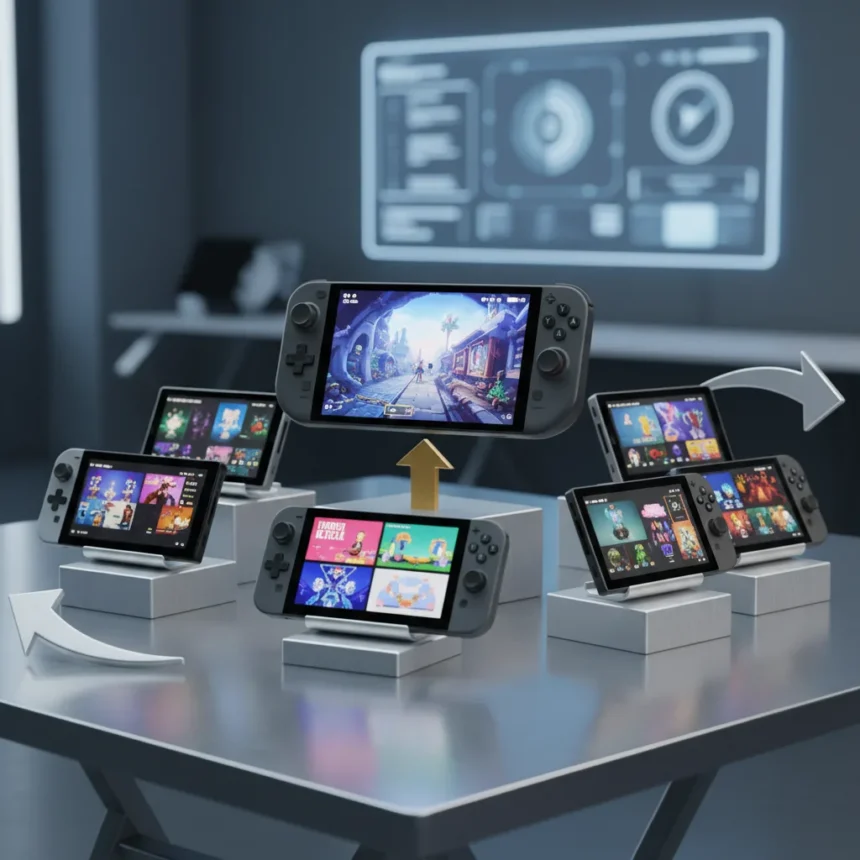
The Steam Deck OLED price increase just shifted the entire handheld gaming market. Valve has raised the cost of its flagship portable by almost 50%, a move that makes the device far less attractive against cheaper competitors that offer genuine value. The company cited rising memory and storage costs as the reason for the hike, but the timing raises a harder question: is the Steam Deck OLED still the handheld to beat?
Key Takeaways
- Valve increased the Steam Deck OLED price by almost 50% due to rising memory and storage costs.
- The price surge makes the Steam Deck OLED significantly less competitive against cheaper handheld gaming alternatives.
- TechRadar’s analysis identifies two fan-favorite handhelds that remain far more affordable than the newly priced Steam Deck.
- The Steam Deck OLED price increase reflects broader May 2026 trends in gaming hardware cost inflation.
- Budget handheld gaming devices are now a smarter choice for cost-conscious players seeking comparable performance.
Why the Steam Deck OLED Price Increase Matters Right Now
The Steam Deck OLED price increase is not just a number adjustment—it is a market repositioning. When a flagship product jumps nearly 50% in cost, suddenly the alternatives that were always cheaper become genuinely compelling. Valve’s explanation about memory and storage costs is technically sound, but it does not change the reality for buyers: they now have to spend significantly more to get into the Steam Deck ecosystem. That gap creates opportunity for competitors.
Handheld gaming has exploded as a category in the past two years. What started as a niche market for portable PC gaming has become mainstream, with dozens of credible alternatives launching at every price point. The Steam Deck OLED was always the premium choice, but premium only works if buyers perceive the extra cost as justified. A 50% price hike flips that calculation, especially for casual players who do not need the Steam Deck’s full library compatibility or raw power.
The Steam Deck OLED Price Increase and the Handheld Market Shift
The Steam Deck OLED price increase arrives at a moment when the handheld gaming landscape has matured dramatically. Two years ago, the Steam Deck had few real competitors. Today, that is not true. TechRadar’s analysis highlights two fan-favorite handhelds that remain significantly cheaper than the newly priced Steam Deck, offering players a real choice rather than a default purchase. This is healthy market competition, but it is brutal for a premium-priced device.


What makes this shift significant is that the cheaper alternatives are not cheap in the dismissive sense. These are devices with serious engineering, strong communities, and proven track records. They may not run every game in the Steam library, but they run the games that matter to most players. The Steam Deck OLED price increase essentially handed these competitors a marketing gift—a reason for buyers to look elsewhere before committing to the highest price tier.
Should You Wait or Buy an Alternative Instead?
The honest answer depends on what you actually play. If your library is 90% Steam games and you want zero friction, the Steam Deck OLED is still the right choice, even at the new price. But that is a specific use case. For everyone else—indie gamers, retro enthusiasts, players who jump between platforms—the Steam Deck OLED price increase makes the cheaper alternatives immediately more rational. You save money and lose almost nothing in return.



The market dynamics have shifted. Before the price increase, the Steam Deck OLED was the obvious choice for anyone serious about portable gaming. Now, it is one choice among several credible options. That is a significant change, and it happened because Valve decided the market would accept a 50% price hike. We are about to find out if they were right.
Is the Steam Deck OLED price increase permanent?
There is no indication from Valve that the Steam Deck OLED price increase is temporary. The company attributed the hike to structural cost pressures in memory and storage, which suggests this is the new baseline rather than a promotional adjustment. Expect the higher price to stick.
Can you still buy a Steam Deck OLED at the old price?
Once Valve raised the Steam Deck OLED price, existing inventory at the old price disappeared quickly. Any remaining stock at the previous cost is likely sold out or being held by resellers at markup prices. The new price is now standard across all official channels.
What makes the cheaper handheld alternatives competitive against the Steam Deck OLED?
The two fan-favorite handhelds TechRadar recommends offer strong performance, solid build quality, and active communities at prices significantly below the newly increased Steam Deck OLED cost. While they may not have the same library breadth, they excel at what they do and represent far better value for the money. For most players, that trade-off is worth making.


The Steam Deck OLED price increase is a watershed moment for handheld gaming. Valve has effectively repositioned its device as a premium product rather than a mass-market option. That opens the door for competitors, and TechRadar’s recommendation of cheaper alternatives reflects that new reality. If you are shopping for a handheld right now, the calculus has changed. Do not assume the Steam Deck is the only smart choice—the math no longer supports that assumption.
Where to Buy
$969.99 | No price information
Edited by the All Things Geek team.
Source: TechRadar




