Retro gaming nostalgia has become one of the most surprising drivers of engagement on Nintendo’s upcoming Switch 2 platform, with a particular title sparking renewed interest in an era many modern players never actually experienced firsthand. The phenomenon reveals something fundamental about how games transcend their original release windows and speak to players across generational divides.
Key Takeaways
- Switch 2 retro games are attracting players who never lived through the original era
- Retro gaming nostalgia operates independently of personal memory or direct experience
- Game design principles from older systems remain compelling to contemporary audiences
- The Switch platform has become a primary vector for retro gaming discovery and accessibility
- Nostalgia-driven titles are outperforming expectations on Nintendo’s new hardware
Why Retro Gaming Nostalgia Transcends Personal Experience
Retro gaming nostalgia functions differently than traditional nostalgia tied to personal memory. Players who never owned a Game Boy, never blew into a cartridge, and never experienced the original arcade era are discovering these games through modern platforms and finding them genuinely compelling. This disconnect between personal history and emotional resonance suggests that retro appeal operates on design principles rather than pure memory triggers.
The mechanics, aesthetics, and pacing of older games often solve problems that modern design has overcomplicated. A retro title stripped of contemporary bloat—no mandatory tutorials, no battle passes, no seasonal content resets—can feel like a relief to players drowning in service-game complexity. The simplicity reads as elegance rather than limitation.
What makes this particularly interesting on Switch 2 is that players can experience these games at native resolution with quality-of-life improvements that the originals lacked, removing friction without diluting the core appeal. A player discovering a 30-year-old game design for the first time experiences it as fresh rather than dated.

Switch 2 as the Retro Gaming Discovery Engine
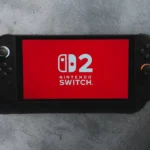
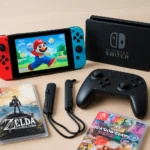
Nintendo’s Switch platform has become the primary distribution channel for retro gaming discovery, and Switch 2 is poised to accelerate that trend. The hardware’s portability, library depth, and backwards compatibility mean that a single device can house decades of gaming history. A teenager buying a Switch 2 today has immediate access to games from the 1980s alongside current releases—something that was logistically impossible for previous generations.
This accessibility fundamentally changes how retro gaming nostalgia operates. It is no longer a niche pursuit requiring emulation knowledge or expensive original hardware. It is a native feature of the platform. The surprise Switch 2 title gaining traction likely benefits from this ecosystem advantage—it is not competing for attention against the original hardware or obscure ports, but rather sitting in a curated library where discovery is frictionless.
The shift also means that developers can create new games in retro styles without the burden of historical authenticity. They can borrow design principles—tight controls, clear feedback loops, punishing difficulty—without replicating technical limitations. This hybrid approach appeals to both players seeking genuine retro experiences and those who want the philosophy without the pain points.
What Modern Players Want From Retro Gaming Nostalgia
Contemporary players drawn to retro gaming are not seeking a time machine. They are seeking clarity. Modern games often obscure core mechanics under layers of systems, tutorials, and narrative scaffolding. Retro games, by necessity, made their mechanics explicit and trusted players to learn through play.
This design philosophy has become genuinely countercultural. In an era of hand-holding tutorials and difficulty sliders, a game that respects player intelligence and demands mastery feels rebellious. The surprise Switch 2 title likely taps into this hunger for games that do not assume incompetence.
There is also something appealing about the aesthetic restraint of older games. Limited color palettes, pixel art, chiptune soundtracks—these were technical constraints that have become artistic signatures. They communicate intentionality in a way that photorealism sometimes obscures. A player experiencing retro gaming nostalgia for the first time often finds the aesthetic immediately distinctive and memorable.

The Business Case for Retro Gaming on New Hardware
From a platform perspective, retro gaming nostalgia is a low-risk way to build library depth. A Switch 2 launch lineup bolstered by curated retro titles costs less to produce than original AAA games but can drive engagement and justify the hardware purchase. A player buying Switch 2 primarily to revisit classics is still a customer who will eventually buy new games.
The surprise title gaining traction suggests that Nintendo and third-party developers understand this dynamic. Rather than relegating retro games to a secondary tier, they are positioning them as legitimate platform attractions. This legitimacy makes retro gaming feel like a feature rather than a fallback.
Does retro gaming nostalgia require personal experience with the original era?
No. Retro gaming nostalgia operates on design principles and aesthetic appeal rather than personal memory. Players discovering classic games for the first time often experience them as fresh and compelling, suggesting that the appeal is rooted in timeless game design rather than generational memory.
Why is the Switch 2 becoming a hub for retro gaming discovery?
The Switch platform offers native backwards compatibility, portability, and a curated library spanning decades of gaming history. This accessibility removes friction from retro gaming discovery, making classic titles available alongside modern releases on a single device without requiring emulation or original hardware.
What design principles from retro games resonate with modern players?
Retro games typically prioritize clear mechanics, punishing difficulty, and aesthetic restraint. In an era of tutorial-heavy modern games, this design philosophy feels refreshingly direct and respectful of player intelligence. The simplicity and focus of retro titles often contrast sharply with the bloat of contemporary service games.
The rise of retro gaming nostalgia on Switch 2 reveals that gaming audiences are not monolithic. Some players chase the latest graphics and mechanics. Others are discovering that games from decades ago offer something genuinely valuable: respect for the player’s time and intelligence. A surprise title that captures this appeal is not riding a wave of pure nostalgia—it is tapping into a legitimate design philosophy that transcends generational boundaries.
Where to Buy
Edited by the All Things Geek team.
Source: T3