
Xbox backwards compatibility is undergoing a fundamental shift from corporate gatekeeping to community democracy. Microsoft’s Vice President of Next Generation has publicly directed fans to XboxGamePreservation.com, a community voting platform where players cast ballots on which classic games should return to modern Xbox platforms. Rather than Microsoft unilaterally deciding which titles deserve preservation, the company is now crowdsourcing the decision—a strategic move that signals the publisher views player feedback as essential to its game preservation mission.
Key Takeaways
- Microsoft formed a dedicated games preservation team in 2024 to continue Xbox backwards compatibility tradition across four generations
- XboxGamePreservation.com tracks community voting with 335 voters casting over 2,500 selections as of early tracking
- Original Xbox titles lead voting at 52%, surprising industry assumptions that Xbox 360 games would dominate demand
- Microsoft commits to keeping classic games playable for years while enabling new ways to experience them
- At least 100 titles expected to launch as part of the backwards compatibility service expansion
Why Fan Voting Changes Xbox Game Preservation
The games preservation team has been working to resurrect iconic titles and make them playable in entirely new ways. By opening the selection process to fans, Microsoft is acknowledging that players—not corporate strategists—best understand which games matter most to the community. This approach transforms backwards compatibility from a reactive service into a responsive one, where voting data directly informs which titles get priority for technical restoration.
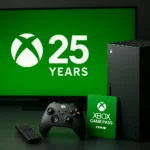
The voting initiative represents a departure from how most publishers handle game preservation. PlayStation, by contrast, has historically relied on corporate selection for which titles become available on modern hardware, without systematic community input. Xbox’s embrace of fan-driven curation positions the brand as more player-centric, particularly as it celebrates its 25th anniversary. The strategy also builds goodwill: players feel heard when their votes influence product decisions, even if not every top-voted game makes the cut.
Original Xbox Titles Unexpectedly Lead Demand
Early voting data reveals a striking pattern that challenges industry assumptions about nostalgia cycles. Approximately 52% of votes target original Xbox games, while 48% favor Xbox 360 titles. This near-even split, with original Xbox slightly ahead, contradicts the conventional wisdom that Xbox 360—the more recent and commercially dominant platform—would dominate fan preferences for backwards compatibility.


The result suggests players are reaching further back into Xbox history than publishers typically assume. Original Xbox games, released between 2001 and 2006, occupy a unique cultural space: old enough to feel genuinely endangered by format obsolescence, yet recent enough that millions of players have personal memories of them. Xbox 360 games, by contrast, remain playable on current hardware through existing backwards compatibility programs, reducing urgency around their preservation. The voting data implies fans recognize the genuine scarcity risk facing the oldest Xbox library and are voting accordingly.
How Xbox Backwards Compatibility Preserves Gaming History
Microsoft’s commitment to keeping games from four generations of Xbox playable represents a long-term investment in digital preservation. Rather than treating backwards compatibility as a temporary feature or marketing novelty, the company frames it as an institutional responsibility—ensuring that classic titles remain accessible to new players who never experienced them on original hardware. This philosophy extends beyond mere technical emulation; Microsoft wants these games to be played in ways that feel natural to modern audiences, whether through updated interfaces, performance improvements, or quality-of-life enhancements.
The games preservation team’s work happens largely behind the scenes, wrestling with licensing agreements, technical debt, and the sheer complexity of making decades-old software run reliably on contemporary systems. By publicizing this effort and inviting fan participation, Microsoft transforms what could be dry technical work into a visible, community-driven mission. Players see their votes as direct contributions to gaming history, even if they do not fully understand the engineering required to make it happen.
What Happens to Games That Win the Fan Vote?
The research brief does not specify whether Microsoft will implement all top-voted games or use voting results as advisory input among other factors. The company has not publicly committed to launching every game that receives the most votes, leaving room for technical limitations, licensing complications, or strategic prioritization. What is clear is that voting data will influence future backwards compatibility decisions, giving fans genuine agency in the preservation process.
FAQ
Where can I vote on Xbox backwards compatibility games?
Visit XboxGamePreservation.com to cast votes on which classic games should return via backwards compatibility. The site tracks all player selections and displays voting results in real time.
Will my favorite original Xbox game definitely come back if it wins the vote?
Voting influences Microsoft’s decisions, but the company has not guaranteed that top-voted games will automatically launch. Technical feasibility, licensing agreements, and other factors may affect which titles ultimately return.


How many classic games will be available when the backwards compatibility service launches?
Microsoft stated that at least 100 titles will be available, though the exact launch timeline remains unconfirmed in official statements.
Xbox backwards compatibility has evolved from a corporate-controlled feature into a democratic process where millions of players help decide which games deserve a second life on modern hardware. By highlighting the fan voting site and publicly endorsing community input, Microsoft is betting that transparency and player agency will strengthen loyalty while ensuring that the games people actually care about get the preservation resources they deserve. For classic gaming fans, that shift matters far more than any individual title on the backwards compatibility list.
Edited by the All Things Geek team.
Source: Windows Central