





Xbox Mode Windows 11 is now officially rolling out, marking Microsoft’s largest unification of PC and console gaming in years. The rebranded interface, formerly known as Xbox Fullscreen Experience, begins its April 2026 rollout across all Windows 11 devices, from laptops and desktops to handheld gaming PCs like the Lenovo Legion Go and Xbox ROG Ally. This shift signals Microsoft’s commitment to making Windows the centerpiece of its entire gaming ecosystem ahead of the Project Helix next-generation Xbox launch in 2028.
Key Takeaways
- Xbox Mode Windows 11 launches in April 2026 across all Windows 11 form factors via Windows Update and Xbox app
- Replaces Xbox Fullscreen Experience with a controller-first, full-screen gaming interface designed for console-like experience on PC
- Includes performance upgrades: faster load times, Advanced Shader Delivery, DirectStorage updates, and DirectX tools to reduce stutter
- Extends compatibility to next-gen Xbox (Project Helix) and current Xbox Series S/X, unifying game libraries across platforms
- Console players in Alpha Skip Ahead can now view cloud save sync status directly in Game Cards
What Xbox Mode Windows 11 Actually Changes
Xbox Mode Windows 11 is a full-screen, controller-optimized gaming interface built specifically for handheld and traditional PC gaming, replacing the previous Xbox Fullscreen Experience. Unlike the desktop-first Windows 11 experience, Xbox Mode prioritizes gamepad navigation, removing keyboard and mouse complexity from the launcher and game discovery flow. The interface works across laptops, desktops, tablets, and handheld devices, creating a unified entry point for Windows gaming regardless of hardware form factor.
Microsoft announced the shift at GDC 2026 as part of a broader platform strategy to position Windows 11 as the optimal gaming destination. The rollout begins in select markets in April 2026, expanding gradually through Windows Update and the Xbox app. Early Insider builds required Windows and Xbox Insider opt-ins, but the general rollout will be available to all Windows 11 users without additional enrollment.
Performance Gains and Technical Foundation
Xbox Mode Windows 11 includes meaningful technical improvements beyond the interface redesign. Microsoft has implemented faster load times, smoother gameplay through Advanced Shader Delivery, and updated DirectStorage to accelerate data transfer from storage to GPU. New DirectX tools are designed to reduce stutter and speed game startup, addressing pain points that plague PC gaming on lower-end hardware and handhelds. These optimizations matter most on handheld devices, where battery efficiency and thermal management directly impact usability.

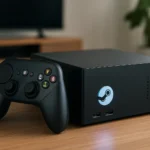
The performance layer ties directly into Microsoft’s unified Game Development Kit (GDK), which enables developers to build games compatible with Windows 11 PCs, current Xbox Series S/X hardware, and the upcoming Project Helix next-generation console. This architecture eliminates the traditional PC-versus-console fragmentation, allowing a single game build to target multiple platforms. For context, think of Xbox Mode Windows 11 as similar to SteamOS, but built on Windows rather than Linux, giving Microsoft leverage over third-party storefronts like Steam and Epic Games Store on handheld devices.
Console Players Get Cloud Save Visibility
Alongside the Xbox Mode Windows 11 rollout, console players in the Alpha Skip Ahead testing ring can now view their cloud save sync status directly in Game Cards [original source]. This feature adds transparency to the cloud save process, letting players confirm synchronization before switching between devices or resuming gameplay on different hardware. The addition reflects Microsoft’s broader push to make cloud saves seamless across the unified ecosystem, reducing friction when moving between PC, handheld, and console.
What This Means for the Next-Generation Xbox
Xbox Mode Windows 11 is not just a cosmetic refresh—it is the user-facing foundation for Microsoft’s next-generation strategy. Project Helix, the custom AMD SoC-based next-gen Xbox, will launch consumer units in 2028 at the earliest, with developer kits available in 2027. Helix will play both traditional console games and PC titles, breaking the historical divide between console and PC game libraries. Xbox Mode Windows 11 preps the ecosystem for this shift by normalizing a unified gaming experience across form factors now.
The technical collaboration spans the entire hardware industry. AMD, Intel, NVIDIA, and Qualcomm contributed platform improvements to ensure Xbox Mode Windows 11 runs smoothly on diverse chipsets, from mobile processors in handhelds to discrete GPUs in high-end desktops. This vendor neutrality is deliberate—Microsoft cannot force handheld makers like Lenovo to adopt proprietary solutions, so the interface and performance layer must work across competing silicon.
Rollout Timeline and Availability
Xbox Mode Windows 11 begins rolling out in April 2026 across select markets, distributed through standard Windows Update channels and the Xbox app. The gradual rollout means not all Windows 11 users will see the update simultaneously; Microsoft typically phases major OS features over weeks or months to manage server load and catch compatibility issues early. Initial availability targets high-volume markets first, expanding to smaller regions as the rollout stabilizes.
The interface is free—there is no additional cost to existing Windows 11 users. However, the full experience benefits from a Game Pass subscription, which unlocks access to hundreds of games optimized for the new interface. Handheld gaming PC owners, in particular, benefit from Game Pass integration, which works across their device, PC, and console.

How Xbox Mode Compares to Current Alternatives
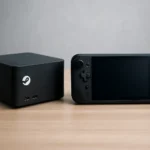
Xbox Mode Windows 11 positions itself as a middle ground between SteamOS and Windows’ traditional desktop. SteamOS, Valve’s Linux-based handheld interface, dominates the Steam Deck and has proven that console-style gaming on PC hardware resonates with players. Xbox Mode Windows 11 achieves similar user experience goals but retains Windows’ ecosystem advantages: broader third-party software support, Game Pass integration, and compatibility with existing Windows games without emulation. Unlike SteamOS, which is primarily a Valve product, Xbox Mode Windows 11 is backed by Microsoft’s entire platform and hardware partner network.
For console-only players, the shift is less immediately disruptive. Current Xbox Series S/X owners will continue playing their existing libraries, but Xbox Mode Windows 11 signals that Microsoft views PC and console gaming as a single market. Games like GTA 6 will be playable on both Xbox and PC at launch, a capability that previous console generations could not offer.
FAQ
When does Xbox Mode Windows 11 launch?
Xbox Mode Windows 11 officially begins rolling out in April 2026 in select markets, expanding gradually through Windows Update and the Xbox app. Early access was available to Insider testers, but the general rollout is now live.
Will Xbox Mode Windows 11 work on my handheld gaming PC?
Yes. Xbox Mode Windows 11 is designed for all Windows 11 form factors, including handheld devices like the Lenovo Legion Go and Xbox ROG Ally. The interface is optimized for controller-first navigation on smaller screens and lower-power processors.
Is Xbox Mode Windows 11 free?
Yes, Xbox Mode Windows 11 is free for all Windows 11 users. It arrives through standard Windows Update and the Xbox app at no cost. Game Pass subscriptions are optional but recommended for accessing the full game library.
Xbox Mode Windows 11 represents the clearest signal yet that Microsoft views PC and console gaming as a unified market. By April 2026, the interface will be the default gaming experience for millions of Windows 11 users, setting expectations for how next-generation Xbox games will feel. For handheld gamers, the rollout is particularly significant—it gives Lenovo, ASUS, and other handheld makers a platform-level gaming interface that rivals SteamOS without requiring custom Linux distributions. The real test comes in 2028, when Project Helix launches and players can finally play the same AAA games on both their handheld device and their living room console without compromise.
Edited by the All Things Geek team.
Source: Windows Central




