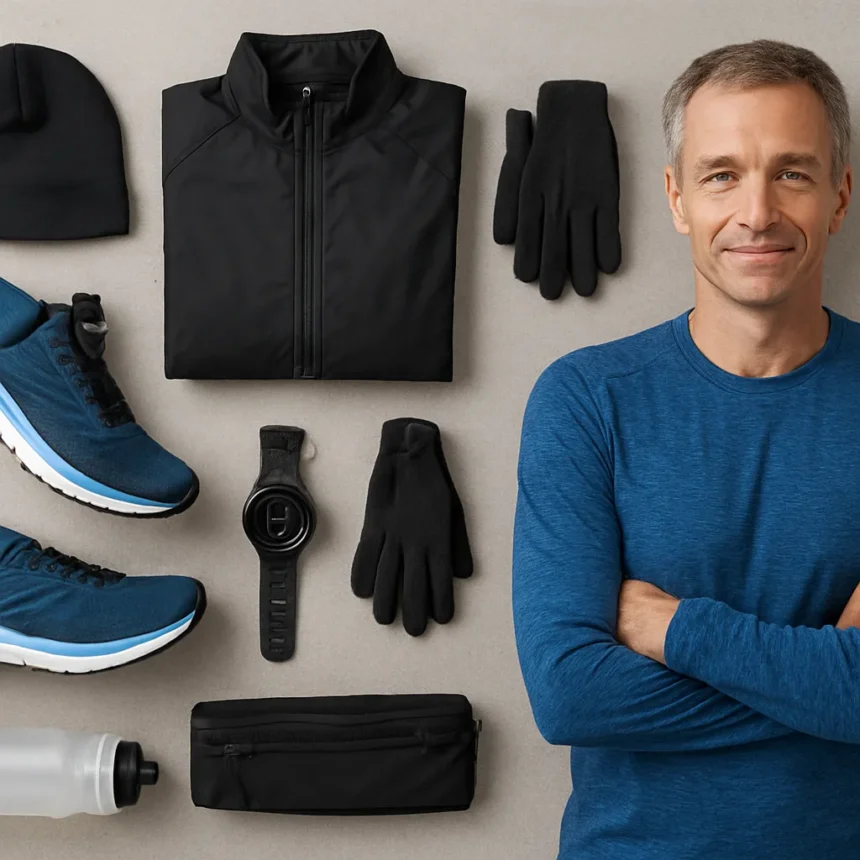
Running products for beginners often overwhelm newcomers with endless options, but a runner with a decade of experience and 60-80 miles per week under their belt has distilled the essentials into 12 items that actually matter. These aren’t trendy picks or sponsored gear—they’re battle-tested products chosen after thousands of miles of real-world testing.
Key Takeaways
- Brooks Ghost series offers cushioned, stable shoes ideal for beginner road runners with a balanced ride.
- GPS watches like Garmin Forerunner track distance and pace without overwhelming casual runners.
- Running-specific socks with tabs and cushioning prevent blisters and rubbing during long runs.
- Heart rate monitors provide training insights for runners ready to move beyond basic distance tracking.
- Running shorts with anti-ride-up liners and secure pockets eliminate chafing and gear fumbling.
The Foundation: Shoes That Won’t Betray You
The right shoe makes or breaks a beginner’s running journey. Brooks Ghost, particularly the Ghost 16 and earlier models, sits at the sweet spot for newcomers—cushioned enough to absorb impact but neutral enough to work for most foot types. The shoe features a thick outsole and sturdy upper that survive hundreds of miles without breaking down. Unlike aggressive racing shoes or overly rigid trainers, the Ghost doesn’t force your foot into an unnatural position. It’s a workhorse, not a showpiece. Deals on previous Ghost models appear regularly during sales events, making them affordable entry points rather than premium purchases.
Alternatives like Hoka or Saucony Ride 18 exist, but they serve different purposes. The Hoka leans soft and plush, while Saucony emphasizes stability—both valid, but the Ghost’s balance makes it the safer first shoe. A beginner doesn’t need to optimize for speed or extreme softness; they need a shoe that lets them run consistently without pain or surprise breakdowns.
Tracking Without Obsession: GPS Watches and Heart Rate Monitors
Garmin Forerunner watches, priced around $149 at retailers like REI, bridge the gap between casual joggers and serious runners. They track distance, pace, and heart rate without the complexity of multisport watches designed for triathletes. A GPS watch isn’t essential for someone running three miles twice a week, but it becomes invaluable once you’re logging regular miles and want to understand your effort level. The watch also enables app-based logging of shoe mileage, routes, and conditions—critical data for knowing when shoes need replacement.

Heart rate monitors like the Garmin HRM 600, Polar H10, or Wahoo TRACKR add another layer, providing accurate chest-based readings that wrist-based sensors often miss. The HRM 600 recharges rather than requiring disposable batteries, a practical advantage over time. These tools matter most once a runner moves beyond pure distance tracking into structured training, but they’re not mandatory for beginners finding their rhythm.
Comfort Details: Socks, Shorts, and Chafe Prevention
Running-specific socks with tabs and cushioning, like Nathan brand options, prevent the rubbing and blisters that generic athletic socks allow. This seems trivial until mile eight when a blister forms. Running shorts with wide waistbands, anti-ride-up liners, and secure pockets—tested rigorously, such as the Gymshark shorts at $40-44—keep gear in place during long runs without constant adjustment. These items cost less than a single premium shoe but eliminate daily frustrations that derail beginners.



Chafing prevention extends beyond shorts. Running belts and vests, like Nathan models, hold water, keys, and energy gels without the bulk of a backpack. REI sales often start accessories at just $9, making it feasible to build a complete comfort kit without major investment.
Winter Running: Staying Warm Without Overheating
Cold-weather running products separate fair-weather joggers from year-round runners. Smartwool headbands, base layers, mittens, and breathable jackets designed specifically for running prevent the clammy overheating that cotton causes. Winter gear doesn’t need to be expensive—it needs to breathe and wick moisture away from skin. A runner in a non-breathable winter coat will overheat within a mile, defeating the purpose of staying warm.
Building the Kit Without Breaking the Budget
The 12 products span shoes, socks, shorts, watches, monitors, belts, and seasonal gear. Buying all at once seems expensive, but timing purchases around sales events—REI end-of-year sales, Prime Day promotions—makes them affordable. A beginner doesn’t need everything simultaneously. Start with shoes and socks, add a watch once you’re running consistently, layer in heart rate tracking when structured training begins, and upgrade seasonal gear as needed.
What makes Brooks Ghost better than other beginner shoes?
The Brooks Ghost balances cushioning and stability without forcing your foot into an extreme position, making it versatile for most beginner runners. Its thick outsole and sturdy upper survive hundreds of miles reliably, and previous models often appear on sale, reducing cost.



Do beginners really need a GPS watch?
Not immediately. Casual runners covering short distances can use smartphone apps. But once you’re logging regular miles and want to track pace, heart rate, and shoe wear over time, a GPS watch becomes practical rather than optional.
Why are running-specific products better than generic fitness gear?
Running gear is engineered for the specific demands of repetitive forward motion—moisture-wicking, anti-chafe construction, impact absorption, and secure pockets matter more in running than in general fitness. Generic athletic wear works in a pinch but causes the small frustrations that discourage beginners from sticking with the sport.
A decade of running teaches one lesson: the best gear is the gear you’ll actually use consistently. Fancy shoes gathering dust help no one. Brooks Ghost trainers, basic GPS tracking, moisture-wicking socks, and shorts that don’t ride up might sound unglamorous, but they’re the foundation every beginner needs to build a sustainable running habit.
Where to Buy
Asics Novablast 5 Running Shoes$149shop now | SPIbelt Running Belt $26shop now | Stance Performance Crew Socks 3-Pack$54shop now | 31% OFF
Shokz OpenRun Pro$124$179shop now | 20% OFF
Garmin Forerunner 165$199$249shop now
Edited by the All Things Geek team.
Source: Tom's Guide